
A downtown retail vacancy rate of less than 6% provides a stark contrast to the 18.5% vacancy rate currently plaguing the local office market. This divergence, detailed by Economic Development Manager Paul Zalmezak at Thursday’s 1st Ward meeting, illustrates the fundamental shift in how urban commercial spaces are being utilized in the post-pandemic era. While the retail sector shows signs of aggressive expansion, the office sector remains caught in a structural transition that continues to ripple through the local economy.
The Retail Resilience vs. Office Stagnation
Zalmezak’s data highlights a clear bifurcation in the real estate landscape. The healthy retail vacancy rate, sitting well below common industry benchmarks for stable urban cores, is being bolstered by a wave of new entrants. Specifically, 19 new businesses have opened downtown, with over half—10 total—located within the 1st Ward. Recent additions such as 17, Crave Cookies, and Land & Lake Cafe suggest that consumer-facing businesses are finding ways to thrive despite shifts in foot traffic.
However, the 18.5% office vacancy rate tells a different story. As Zalmezak noted, the persistent "work from home" culture that emerged following the COVID-19 pandemic has fundamentally altered the demand for commercial square footage. This decline in office occupancy does not exist in a vacuum; it directly impacts the bottom line of small businesses, particularly restaurants that rely on a steady influx of lunch-hour commuters. The transition away from traditional office life is not merely a change in workplace culture, but a significant drag on the velocity of money in the downtown core.
Navigating Local Governance and Civic Engagement
Beyond economic metrics, the meeting emphasized the mechanics of civic participation. City Clerk Stephanie Mendoza led a training session on the city’s new digital infrastructure, designed to streamline how residents access public records, meeting agendas, and recordings. This initiative is a pragmatic effort to reduce the friction between the government and its constituents.
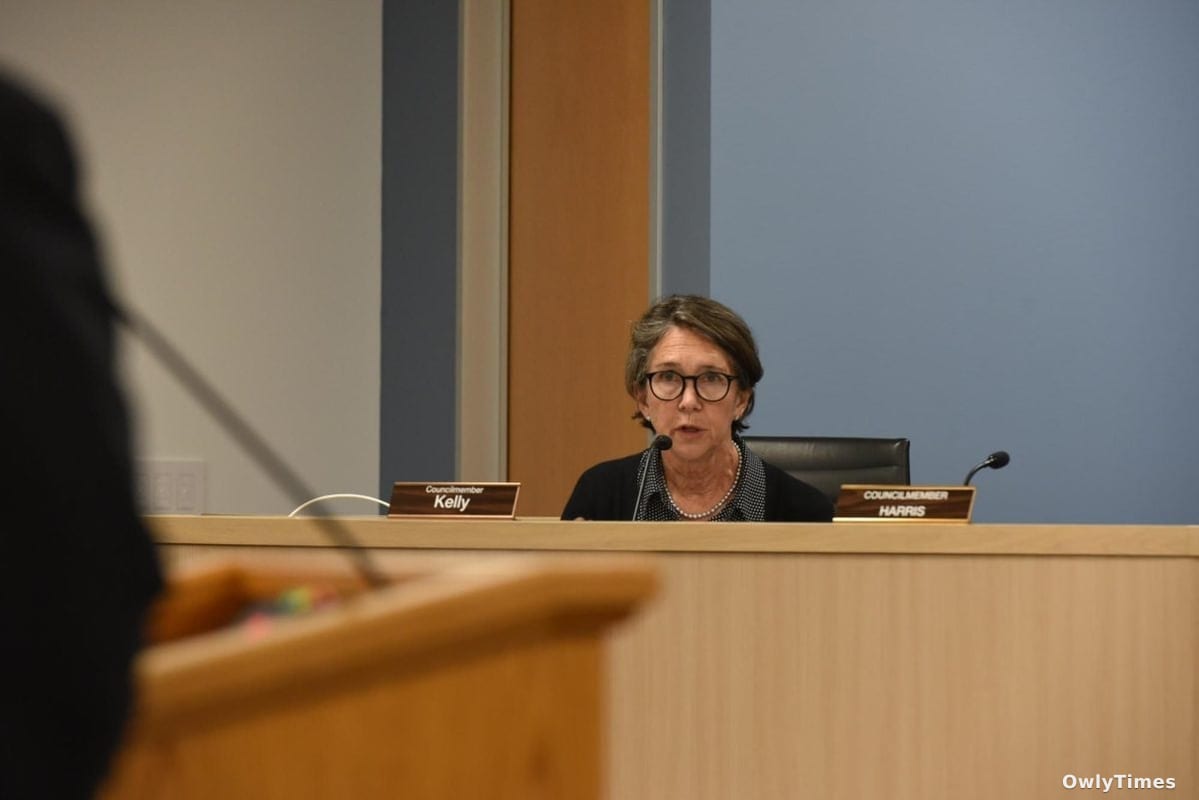
The push for transparency extends to the city’s administrative backbone. Currently, 19 vacant positions exist across various boards, commissions, and committees. Ald. Clare Kelly (1st) noted that these bodies are essential for the deliberative process, providing the focused attention necessary for the City Council to make informed decisions. By offering these applications in both Spanish and English, the city is attempting to broaden the pipeline of available civic talent.
Safety Initiatives as Market Stabilizers
The discussion also addressed the friction between pedestrian safety and new mobility trends. Residents raised concerns regarding the use of bikes, scooters, and skateboards on sidewalks, prompting a response from Transportation and Mobility Coordinator Sarah FioRito. To mitigate potential collisions, the city is deploying "youth Evanston mobility ambassadors" to community events throughout the summer.
These ambassadors, alongside formal programs like "City Cycling 101," represent a regulatory attempt to manage public space usage as the city’s transportation landscape evolves. For investors and local business owners, the health of the retail sector will depend heavily on the city's ability to balance these mobility concerns with the need for high-density foot traffic. The next reading of the downtown retail vacancy rate will indicate whether the current surge in new business openings can offset the continued headwinds facing the office market.