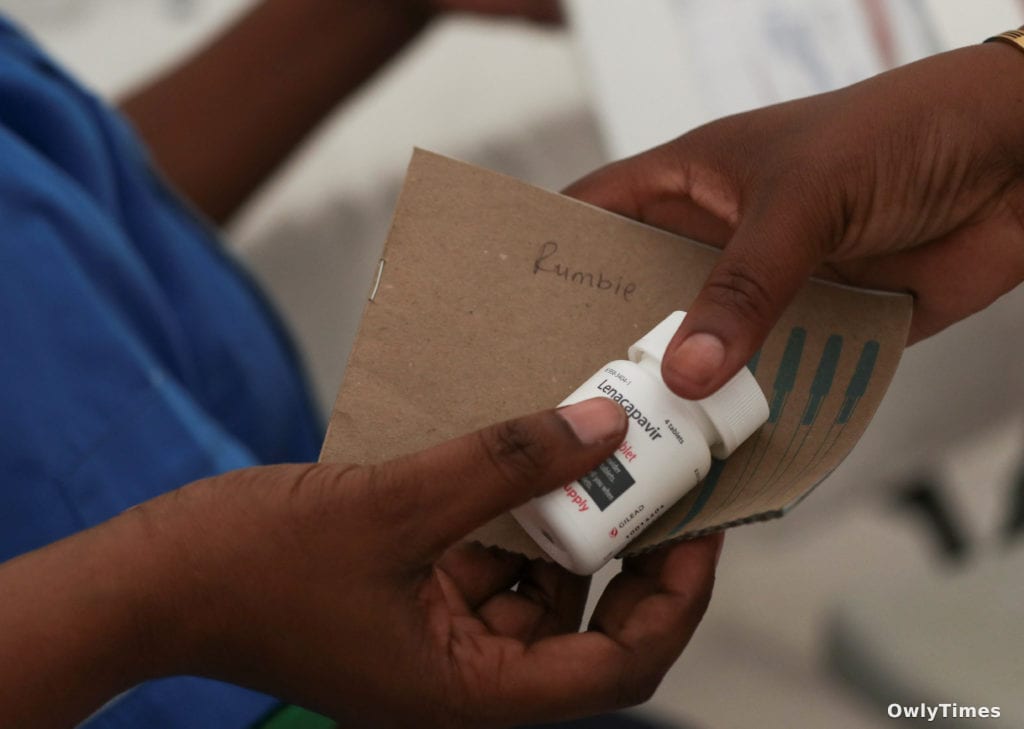

The promise of HIV prevention has always been tethered to adherence – daily pills, consistent condom use, regular check-ups. Now, a new drug, lenacapavir, launched in Zimbabwe on Thursday, is challenging that fundamental equation, offering a potential pathway to dramatically reduce new infections not by changing behavior, but by changing the frequency of intervention. While headlines proclaim a “turning point,” the reality, as with any medical advancement, is far more nuanced. Zimbabwe’s rollout isn’t simply a story of scientific triumph; it’s a carefully considered gamble, a test case for whether a powerful tool can overcome the logistical and financial hurdles that have historically hampered HIV prevention efforts in sub-Saharan Africa.
A Shift in the Landscape of HIV Prevention
For decades, the fight against HIV has centered on antiretroviral therapy (ART) for those infected and pre-exposure prophylaxis (PrEP) for those at risk. PrEP, typically a daily pill, has proven highly effective – reducing the risk of HIV infection by up to 99% when taken consistently. However, “consistent” is the operative word. Real-world adherence rates are significantly lower, hovering around 40-60% in many settings, diminishing the drug’s protective effect. Lenacapavir offers a different approach: two injections per year, administered by a healthcare professional, aiming to maintain therapeutic drug levels for an extended period. Clinical trials, as reported by the World Health Organization, showed near-total protection against HIV infection in participants who received the full course of injections. This level of efficacy, if replicated in broader implementation, represents a substantial leap forward, particularly for populations who struggle with daily medication.
Zimbabwe’s decision to be among the first nations to implement lenacapavir isn’t arbitrary. The country carries a heavy burden of HIV, with an estimated 1.3 million people living with the virus as of 2022, according to UNAIDS. Over the past two decades, HIV has contributed to tens of thousands of deaths, and new infections continue to occur, particularly among young women. This makes Zimbabwe a critical testing ground for innovative prevention strategies. The initial rollout is targeting individuals at high risk, including sex workers and men who have sex with men, groups often underserved by traditional prevention programs.
Source material: PBS.
Beyond Efficacy: The Challenges of Implementation
The excitement surrounding lenacapavir is tempered by a pragmatic understanding of the challenges ahead. As several health officials have pointed out, translating clinical success into population-level impact requires more than just a potent drug. Funding is a primary concern. Lenacapavir is significantly more expensive than daily PrEP, and ensuring sustainable financing for a long-term prevention program will be crucial. Infrastructure gaps also pose a significant obstacle. The injections must be administered by trained healthcare professionals in a clinical setting, requiring robust supply chains and accessible healthcare facilities, particularly in rural areas. Zimbabwe’s healthcare system, like many in sub-Saharan Africa, faces significant strain, and integrating lenacapavir into existing services will demand careful planning and resource allocation.
Perhaps the most underestimated challenge is patient engagement. While two injections a year are far less demanding than daily pills, maintaining contact with patients over the long term is essential. Ensuring individuals return for their scheduled injections, addressing any potential side effects, and providing ongoing counseling and support will require dedicated outreach programs and a strong patient-provider relationship. A failure to maintain consistent follow-up could lead to gaps in protection and the emergence of drug resistance. The success of lenacapavir hinges not just on its pharmacological properties, but on its seamless integration into a comprehensive prevention strategy.
What Zimbabwe’s Rollout Reveals About Global Priorities
The fact that Zimbabwe is leading this rollout, while wealthier nations are still evaluating the drug, speaks volumes about global health priorities. It’s not simply a matter of scientific curiosity; it’s a recognition that the greatest impact of lenacapavir will likely be felt in the countries most heavily burdened by HIV. However, this also raises ethical questions about access and equity. Will the benefits of this breakthrough be limited to those who can afford it, or will mechanisms be put in place to ensure that it reaches the populations who need it most, regardless of their economic status? The Zimbabwean government, in partnership with international organizations, is attempting to navigate this complex landscape, but the long-term sustainability of the program remains uncertain.
Looking ahead, the next crucial research steps involve long-term monitoring of the lenacapavir rollout in Zimbabwe. Researchers will need to track adherence rates, assess the emergence of drug resistance, and evaluate the cost-effectiveness of the program. Equally important will be understanding the social and behavioral factors that influence uptake and retention. Will the convenience of fewer injections translate into increased adoption, particularly among marginalized populations? And what impact will lenacapavir have on existing prevention efforts, such as condom use and PrEP adherence? The answers to these questions will not only inform Zimbabwe’s HIV prevention strategy but will also shape the global response to this promising new tool. We should watch closely for data on the rates of missed injections and the reasons behind them – that will be the first real indicator of whether this scientific promise can truly become a public health reality.





