
The strategic calculus driving the current wave of gubernatorial primary campaigns is not merely about state-level governance, but about securing the administrative infrastructure of the 2028 presidential election. By positioning candidates who actively contested the 2020 results, the Republican Party is effectively moving to consolidate control over the state-level certification processes in key battlegrounds. This represents a pivot from legislative lobbying toward the direct occupation of executive offices that hold legal authority over electoral outcomes.
Consolidating Administrative Power in Battleground States
Political figures who played prominent roles in the efforts to overturn the 2020 presidential election are gaining significant momentum in their bids for governor across the country. In states like Arizona, Pennsylvania, and Wisconsin, these candidates are positioned to secure the Republican Party’s nomination. The strategic weight of these gubernatorial runs cannot be overstated, as governors in these jurisdictions often possess the power to appoint key election officials or influence the certification of electors.
For the Republican base, this is a move to rectify what they perceived as institutional failures during previous cycles. For the political establishment, the success of these candidates signifies a profound shift in party loyalty, where allegiance to a specific narrative regarding the 2020 election has become a primary credential for executive office. As of May 11, 2026, at 5:00 a.m. EDT, the trajectory of these campaigns suggests that the party’s internal base is prioritizing electoral oversight capabilities over traditional consensus-building platforms.
The Arizona Bellwether
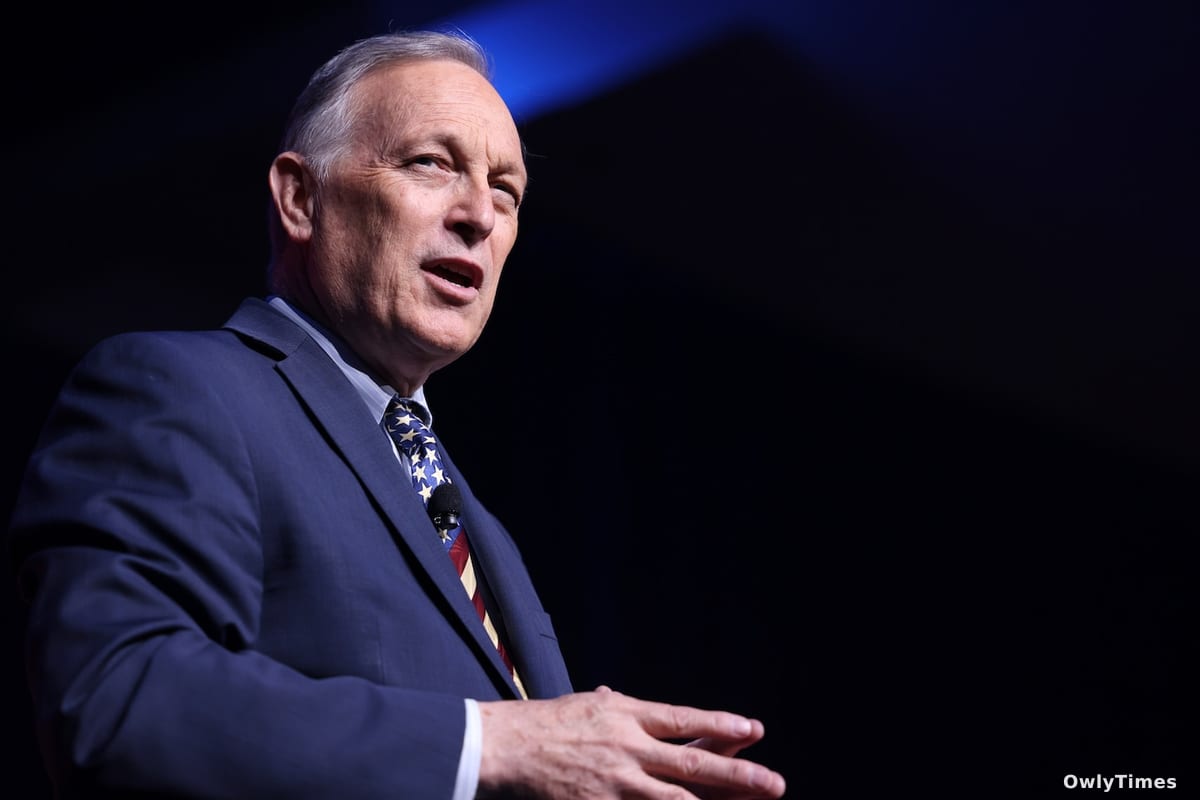
Andy Biggs (R-Arizona) stands at the center of this movement as the overwhelming favorite to secure the GOP nomination for governor in his state. His candidacy serves as a definitive test of whether the rhetoric surrounding the 2020 election remains a potent enough force to mobilize voters through a general election. The benefit to Biggs and his allies is the potential to exert direct influence over the 2028 presidential election in a state that has repeatedly proven to be a decisive swing territory.
Who benefits and who loses from this strategy depends entirely on one’s view of electoral integrity. Proponents of these candidates benefit by installing leadership they trust to prevent what they characterize as future fraud. Conversely, those who fear the politicization of the ballot box stand to lose their influence over the procedural norms that have governed transitions of power for decades. This tension mirrors the deep fractures seen during the 2028 lead-up, where the administrative machinery of the state became a flashpoint for national political conflict.
The Structural Implications for 2028
The move to place election deniers in governor’s mansions is a calculated bet that executive authority can override the procedural guardrails that have historically tempered partisan interference. If successful, these figures would exercise key oversight of the 2028 presidential election, fundamentally altering how votes are counted and certified in the nation’s most contentious states.
The political chess move to watch next will be the specific staffing decisions these candidates make regarding their potential Secretaries of State and election board appointees. While the gubernatorial seat is the primary target, the true battle for the 2028 election will be fought in the administrative appointments that follow a general election victory. The extent to which these candidates articulate their plans for these oversight roles will provide the final metric for understanding how they intend to reshape the electoral landscape.





