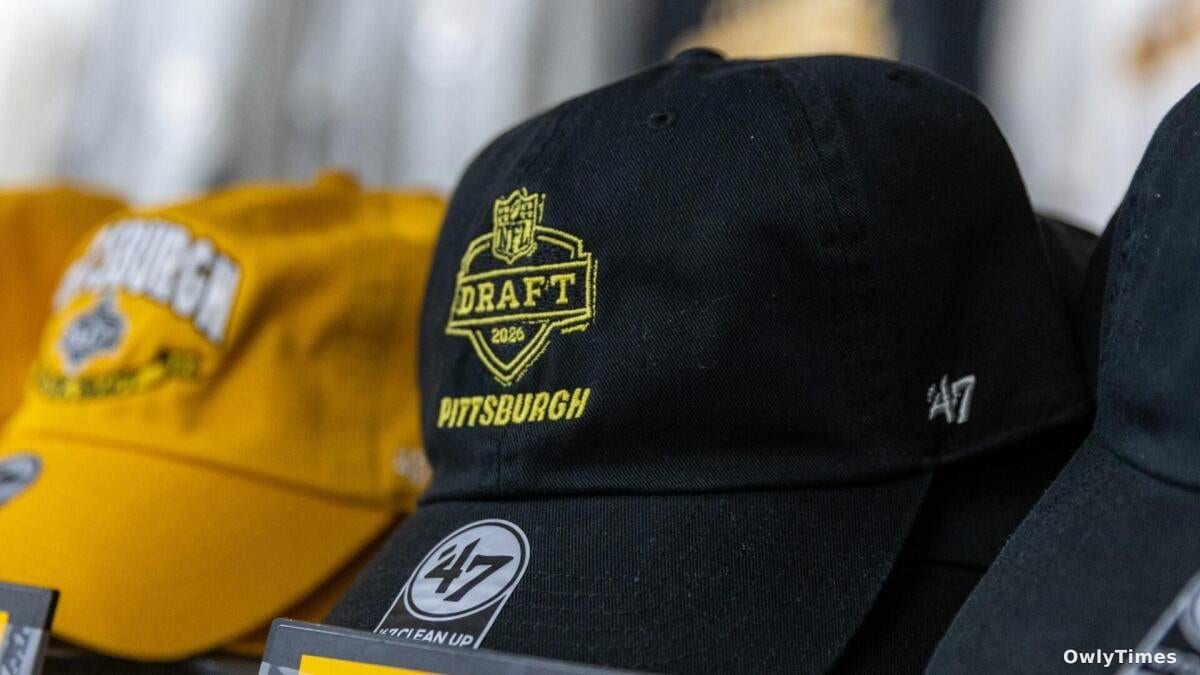

The air in Pittsburgh is already thick with anticipation, even though the NFL Draft is still five weeks away. Not from the fans – not yet – but from the front offices, the scouts, the agents. It’s a quiet tension, a low hum of speculation that vibrates through the steel city as teams finalize their boards. This isn’t just about finding the next star; it’s about navigating a draft class described as uniquely unpredictable, a landscape where consensus is a mirage. And for five teams – the Jacksonville Jaguars, Atlanta Falcons, Indianapolis Colts, Green Bay Packers, and now the Denver Broncos – the pressure is different. They won’t even have a voice in the first round, having traded away their picks for immediate impact players like Jaylen Waddle, a move that speaks volumes about the league’s current obsession with ‘win now’ strategies.
The Broncos’ recent acquisition of Waddle from the Miami Dolphins is the most recent example of this trend, a bold gamble that sacrifices future flexibility for present-day firepower. It’s a move that echoes across the league, raising the question: how much is a team willing to mortgage its future for a shot at immediate contention? The draft, traditionally a building block for sustained success, is increasingly being used as a trade currency, a means to acquire established talent. This year, five teams are sitting out the first round entirely, a stark reminder of that shift. But even without a first-round pick, these teams aren’t bystanders. Projections, like the ones emerging from CBSSports.com, reveal a calculated approach to damage control, a strategy to fill critical needs despite the handicap.
Original reporting: CBS Sports.
Take the Indianapolis Colts, for example. They recently parted ways with Zaire Franklin, leaving a gaping hole at linebacker. Their projected pick at No. 47, Anthony Hill Jr. from Texas, isn’t a splashy, headline-grabbing selection, but a pragmatic one. Hill Jr. addresses a clear weakness, a necessity in a league where defensive consistency is paramount. It’s a move that reflects a broader trend: teams prioritizing positional value over chasing potential superstars. The same holds true for the Atlanta Falcons at No. 48, where Germie Bernard of Alabama is pegged as the perfect complement to Drake London. He’s not a number one receiver, but a reliable target who can consistently move the chains – a crucial piece in a balanced offensive attack.
The Green Bay Packers, selecting at No. 52, are leaning towards versatility with Gennings Dunker, an offensive lineman from Iowa capable of playing guard or tackle. This speaks to the evolving demands of the offensive line position, where adaptability is as valuable as brute strength. The Packers, historically a team that values foundational pieces, are clearly prioritizing a line that can protect their quarterback and open running lanes. Meanwhile, the Denver Broncos, despite their all-in approach with the Waddle trade, recognize the need for long-term stability. Their projected pick at No. 62, Josiah Trotter, a linebacker from Missouri, suggests a subtle acknowledgement that even a ‘win now’ team needs to invest in its future.
But the most intriguing case might be the Green Bay Packers and the Denver Broncos. Both teams have clear needs on the defensive line, yet the projections suggest they’ll address other positions first. This isn’t necessarily a sign of poor planning, but a reflection of the draft’s unpredictable nature. As the source material notes, an “explosive option” at edge rusher isn’t readily available unless players like R. Mason Thomas or Jaishawn Barham fall, highlighting the risk of reaching for a position of need. It’s a gamble, a calculated bet that a more pressing need can be addressed with equal or greater impact. This draft isn’t about finding the best player available; it’s about mitigating risk and maximizing value in a chaotic market. The question now isn’t just who will be drafted, but how teams will adapt to a landscape where certainty is a luxury they can no longer afford. Will we see more teams follow the Broncos’ lead and trade away future assets for immediate gratification, or will the emphasis shift back towards patient rebuilding through the draft? That’s the narrative unfolding in Pittsburgh, and it’s one that will define the next era of the NFL.