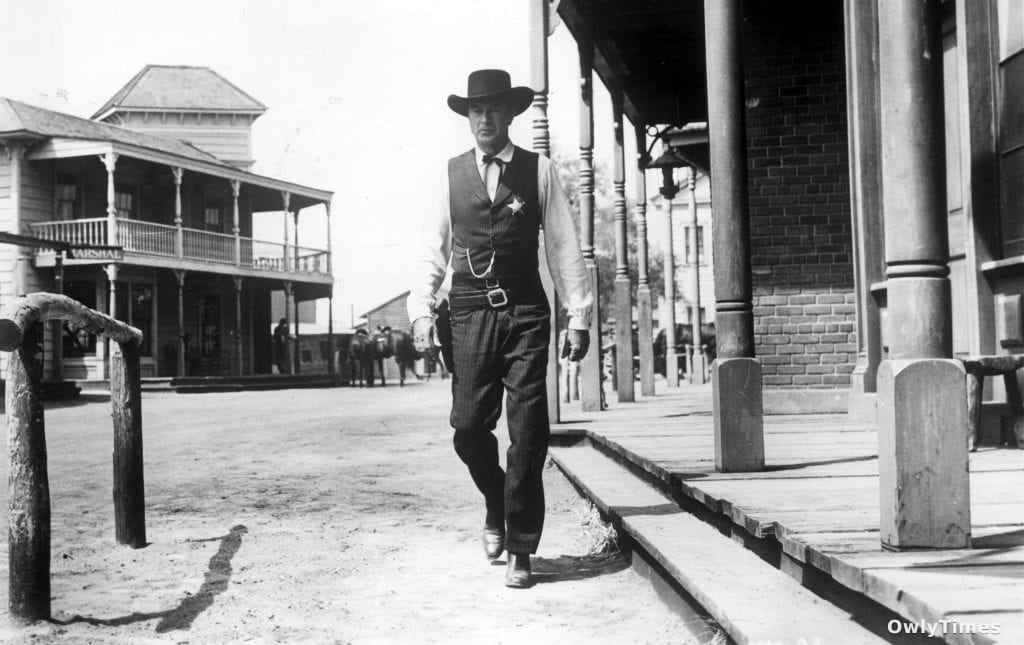

The ticking clock of the wall clock in High Noon has echoed through cinema for generations, a metronomic pulse of dread that defined the 1952 classic. Now, that same tension is being transported from the mid-century screen into a modern production landscape, as Teton Ridge Entertainment has secured the exclusive adaptation rights to the film. While the original Gary Cooper and Grace Kelly powerhouse—produced by the legendary Stanley Kramer—sits in the Library of Congress as a cornerstone of American history, this acquisition signals a massive, calculated bet on the endurance of the Western as a foundational pillar of contemporary storytelling.
Uniting the Guardians of the Frontier
Securing the rights to a piece of history as protected as High Noon was no small feat, requiring the consolidation of disparate interests. Teton Ridge successfully united the rights held by Karen Sharpe-Kramer, Bianca Roe, Channon Roe, and Stephen Jaffe, alongside those held by 2521 Entertainment. By bringing on Thunder Road Pictures to lead the creative charge for the feature film adaptation, the company is signaling that it intends to marry classic narrative weight with modern blockbuster sensibilities.
The deal, which saw Michael Moskowitz of Moskowitz Law Firm, PC lead negotiations for Teton Ridge, represents a rare alignment of legacy and industry muscle. For Karen Sharpe-Kramer, the choice of partner was personal. "Over the years, I’ve received many offers for High Noon, but I’ve waited for a partner that truly understands its legacy, values, and eternal themes," she stated, noting that the studio’s commitment to the story’s relevance in the modern era was the deciding factor.
The Strategy Behind the Western Resurgence
This isn't an isolated acquisition; it is part of a larger, aggressive push by Teton Ridge to corner the market on iconic American Western intellectual property. The company has recently staked its claim on the Lonesome Dove franchise—based on the Pulitzer Prize-winning epic—and the life rights of the quintessential Western icon, John Wayne. By controlling the bedrock of the genre, Teton Ridge is positioning itself to be the primary architect of how Westerns are consumed by a 21st-century audience.
Jillian Share, President of Teton Ridge Entertainment, believes this strategy is essential. "High Noon is essential to the American Western, and one of the rare films that holds up this cleanly seventy-four years later," Share noted. "Our job now is to honor what makes the original endure and to build something that speaks to where we are." With the film having originally garnered seven Academy Award nominations and winning four, the pressure to maintain its "culturally, historically, or aesthetically significant" status is immense.
A New Era of Production
The logistical scale of this project matches its ambition. The feature film will be produced by Teton Ridge’s Jillian Share, Thomas Tull, and Jen Gorton, alongside Erica Lee and Basil Iwanyk for Thunder Road Pictures, and David L. Hunt and Jon Walter for 2521 Entertainment. Beyond the theatrical scope, the team is already planning for television adaptations, with the same core leadership group at the helm as executive producers.
As the industry watches to see how these adaptations take shape, the next reading of the company's output—following their recent pivot into music documentaries like the Netflix-distributed Lainey Wilson: Keepin’ Country Cool—will show whether they can successfully translate the grit of the old frontier into the high-velocity demands of modern streaming and theatrical audiences. Whether this serves as a nostalgic revival or a fundamental reimagining of the American mythos will depend on the creative choices made in these early, foundational stages of development.