
55% of Americans now report that their financial situation is deteriorating, a grim milestone that marks the highest level of pessimism recorded by Gallup since the firm began tracking consumer sentiment in 2001. This figure is not merely a reflection of current price shocks; it signals a fundamental break in household stability that surpasses the collective anxiety observed during both the 2008 Great Recession and the 2020 COVID-19 pandemic.
The Cost of Essential Consumption
Follow the money and you will find that the current crisis is driven by the erosion of non-discretionary income. When essentials like energy, housing, and healthcare rise in tandem, the household budget loses its elasticity. According to the Gallup survey of 1,001 adults conducted between April 1 and April 15, 2026, the hardship is widespread, with 55% of respondents explicitly identifying recent price hikes as the direct cause of their financial strain.
The volatility in the energy sector acts as a multiplier for this distress. AAA reported that gas prices hit $4.18 a gallon this past Tuesday—a single-day jump of 7 cents—reaching their highest point since the onset of the Iran war in February. This 13% of the population citing oil and gas as their primary financial concern represents a 10 percentage-point increase over the previous year. As NerdWallet senior economist Elizabeth Renter noted, these costs are unavoidable, creating a persistent feedback loop of anxiety that is difficult for the average consumer to escape.
Long-Term Savings at Risk
The ripple effect of today’s inflation is rapidly compromising tomorrow’s financial security. Retirement planning, typically a long-horizon concern, has shifted into an immediate source of dread for a majority of the workforce. 62% of respondents now fear they will lack sufficient funds for retirement, an increase of 3 percentage points from the prior year.
This data is further contextualized by the 2026 retirement study from the Allianz Center for the Future of Retirement, which reveals that 67% of Americans are more concerned about outliving their savings than they are about death itself. That specific metric has climbed 10 percentage points year-over-year, illustrating that the current "spate of inflation" is forcing households to prioritize survival over wealth preservation.
Credit Dependency and Fragility
Perhaps the most immediate indicator of systemic financial stress is the rise in debt service anxiety. 28% of those surveyed by Gallup expressed concern about their ability to meet minimum payments on credit cards. This is an 11 percentage-point jump from 2021 levels, suggesting that a growing segment of the population is relying on high-interest credit to bridge the gap between stagnant income and escalating living costs.
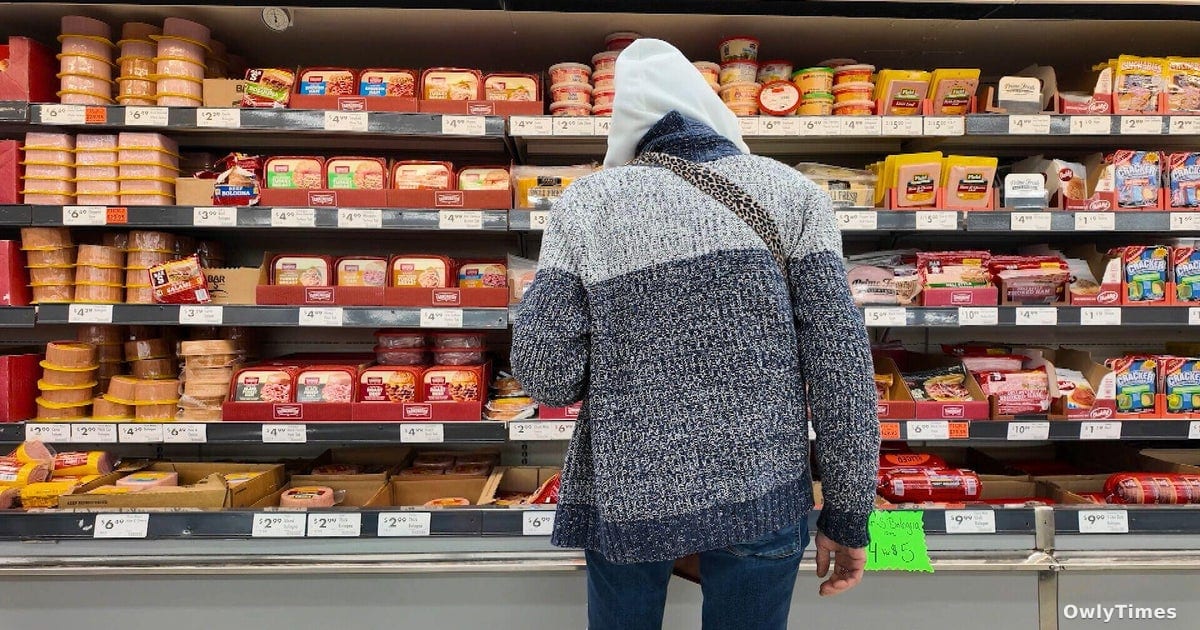
For the individual consumer, the takeaway is clear: the margin for error in household accounting has essentially evaporated. When basic commodities like groceries and fuel consume an outsized portion of monthly cash flow, the ability to absorb unexpected shocks—or maintain standard debt obligations—diminishes. The next reading of credit card delinquency rates and household savings buffers will show whether this reliance on debt to cover daily necessities is a temporary bridge or a permanent state of financial fragility.