
£30.4 billion. That’s the size of the UK government’s surplus in January 2026, a figure announced by the Office for National Statistics (ONS) that represents the largest monthly surplus since records began in 1993 – and a dramatic shift from the £15.4 billion surplus recorded in January 2025. While headlines tout a “healthy start” to the year, a closer examination reveals this windfall isn’t necessarily indicative of robust economic health, but rather a confluence of factors – primarily a surge in capital gains tax driven by anticipated tax hikes – that masks underlying vulnerabilities in the UK’s public finances. Follow the money, and the story isn’t one of fiscal strength, but of strategic asset disposal ahead of policy changes.
The January surplus was fueled by a 13.8% increase in overall tax receipts, reaching £133.3 billion. However, the most significant driver wasn’t income tax or National Insurance – though both saw increases of £3.6 billion and £2.9 billion respectively – but a staggering 69% jump in capital gains tax (CGT) revenue, hitting nearly £17 billion. Jason Hollands, managing director at Evelyn Partners, pinpointed the cause: investors likely liquidated assets before the tax increases implemented in the October 2024 Budget took effect. This isn’t organic economic growth generating tax revenue; it’s a one-time event, a pre-emptive strike against future liabilities. To put this in perspective, the CGT surge effectively front-loaded tax revenue, creating a temporary boost that won’t be replicated in subsequent months.
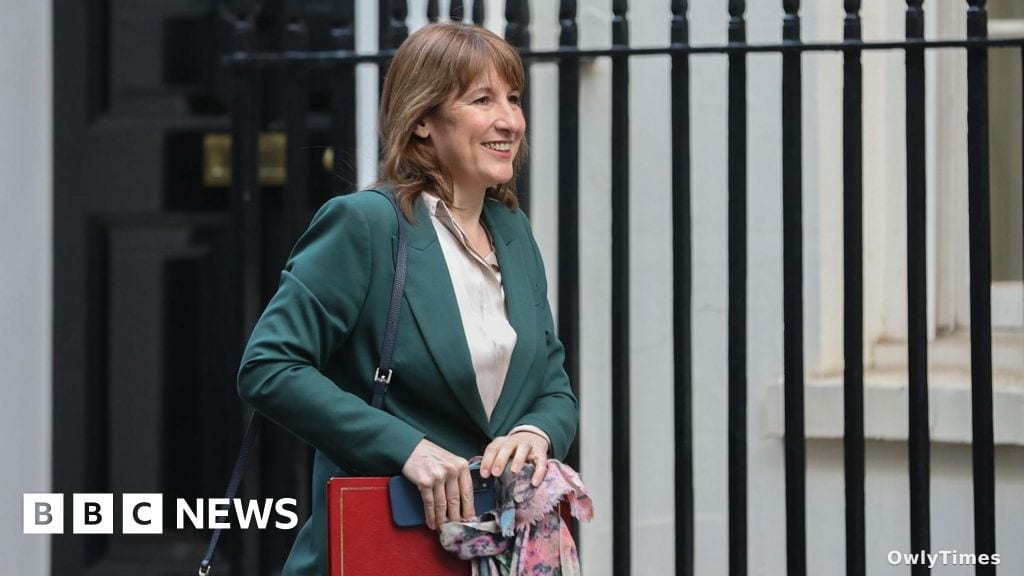
This reliance on a single, predictable event to bolster the government’s finances highlights a precarious situation. While Chancellor Rachel Reeves will undoubtedly leverage this surplus in the upcoming Spring Statement on March 3rd, the underlying economic indicators paint a less optimistic picture. Economic growth remains sluggish, expanding by only 1.3% in 2025, and is projected to be little more than 1% this year, according to Paul Dales, chief economist at Capital Economics. Simultaneously, wage growth is slowing and unemployment has reached a five-year high. The “transient boosts” to retail sales – specifically cited as sports supplements driven by New Year’s resolutions – are already expected to subside, further eroding the positive momentum.
Reporting from the BBC informs this analysis.
The Treasury’s narrative of fiscal responsibility, championed by Chief Secretary James Murray, focuses on reducing borrowing to 5% of GDP by 2030-31. However, the ONS data reveals that despite the January surplus, borrowing in the ten months to January totaled £112.1 billion – only 11.5% lower than the same period last year, and still the fifth-highest on record. Furthermore, the reduction in debt interest payments, which partially offset increased spending on public services and benefits, is unlikely to be sustained given prevailing interest rate environments. The claim that borrowing is on a downward trajectory is true only in relative terms, and relies heavily on the unsustainable CGT windfall.
The political implications are equally complex. Shadow Chancellor Mel Stride criticized Labour’s “record high taxes,” but the reality is more nuanced. The increase in income tax receipts is largely attributable to the freeze on income tax thresholds, effectively dragging more taxpayers into higher brackets – a policy with limited long-term benefits and potential negative consequences for consumer spending. Grant Fitzner, an economist at the ONS, acknowledged that lower debt interest payments helped offset higher costs, but this is a temporary reprieve, not a structural solution. Reeves’ “non-negotiable” borrowing rules, while fiscally conservative, may prove inflexible in addressing the UK’s long-term economic challenges.
What this means for your wallet: expect a Spring Statement that emphasizes fiscal prudence, but don’t mistake a temporary surplus for genuine economic recovery. The £30.4 billion windfall is largely a result of investors reacting to anticipated tax changes, and won’t translate into sustained improvements in public services or significant tax cuts. The key question for investors and consumers alike is this: if the government is relying on one-off asset sales to meet its fiscal targets, what happens when those sales dry up? Watch closely for revisions to the Office for Budget Responsibility’s forecasts on March 3rd – they will reveal whether the Chancellor is banking on continued asset disposals, or if a more realistic, and potentially less palatable, fiscal plan is on the horizon.