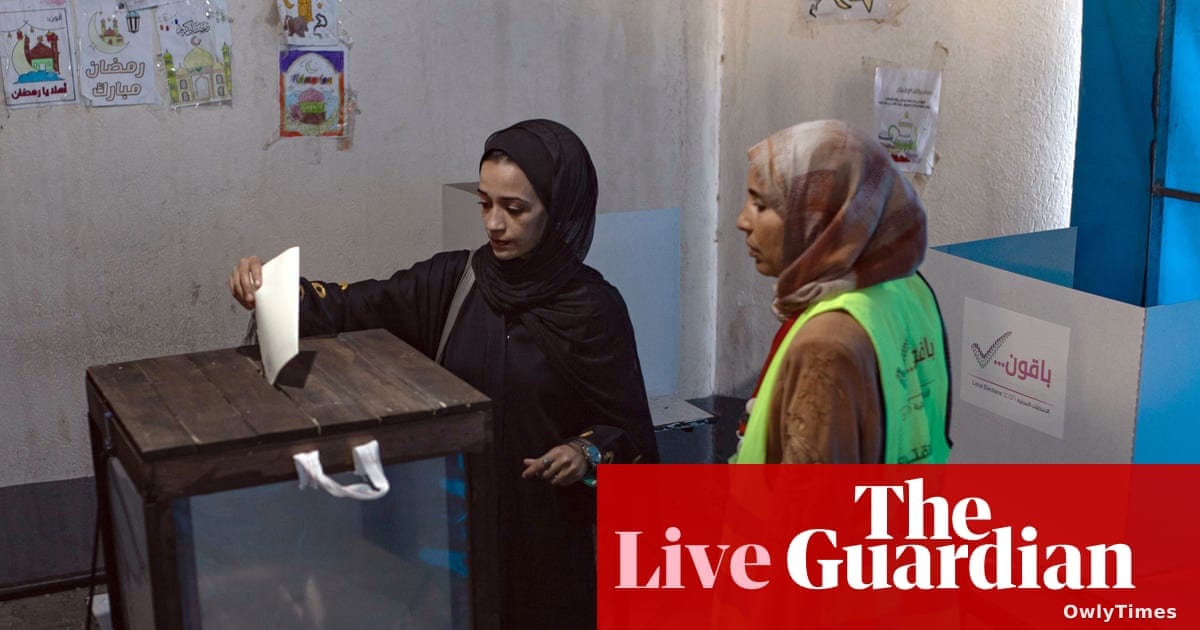

A 15% turnout rate at the polls today provides the most accurate barometer of the current political climate in the West Bank and Gaza: profound disillusionment. While the Central Elections Commission reported that over 1 million people are eligible to vote in the first Palestinian municipal elections since the onset of the war in October 2023, the low participation suggests that the local electorate remains deeply alienated from the existing power structures.
The Financial and Political Architecture of the Vote
Follow the money and the influence, and the picture becomes clear. The electoral lists currently on the ballot are largely dominated by candidates aligned with the Fatah party, led by Palestinian president Mahmoud Abbas, or those running as independents. Notably absent are any lists affiliated with Hamas, which maintains control over nearly half of the Gaza Strip.
This electoral landscape underscores the tenuous position of the Palestinian Authority (PA). As the governing body in the West Bank and the driving force behind the Palestine Liberation Organisation (PLO), the PA operates within a strained partnership with occupying Israel. With the PA facing persistent accusations of unpopularity and the region reeling from recent violence—including the killing of two Palestinians near the village of al-Mughayyir on Tuesday—the current vote functions more as a procedural necessity than a mandate for change.
Global Economic Chokepoints and the Islamabad Talks
While voters head to the polls, the broader economic theater is shifting toward Pakistan, where the U.S. and Iran are testing the limits of a fragile ceasefire. The stakes are immense: the Strait of Hormuz remains a critical artery for global energy, with roughly one-fifth of the world’s oil and natural gas transiting the waterway during peacetime.
The World Food Programme has issued a stark warning that 45 million people face food insecurity and malnutrition if the current blockade of the strait persists. Consequently, European Council president António Costa has labeled the immediate, unrestricted opening of the strait as “vital” for the global economy. As U.S. envoys Steve Witkoff and Jared Kushner arrive in Islamabad to engage in mediation via Pakistani officials, the diplomatic outcome will dictate whether energy markets remain under the current volatility or find a path toward stabilization.
Sanctions and the Shadow Fleet
The U.S. Treasury Department is simultaneously tightening the screws on Iran’s revenue streams. By imposing sanctions on the Hengli Petrochemical (Dalian) Refinery in China, Washington is targeting a major buyer of Iranian crude. This move, coupled with the sanctioning of approximately 40 shipping companies and vessels operating as part of Iran’s “shadow fleet,” signals a shift in U.S. strategy from direct military conflict to a campaign of sustained economic attrition.
China, meanwhile, continues to push back against these measures, characterizing the unilateral sanctions as illegal. The tension between Washington’s desire to throttle Iranian oil income and the economic fallout hitting NATO allies remains a primary source of anxiety for Western diplomats. As one senior European official noted, the lack of a clearly defined long-term strategy from the White House leaves global partners concerned about being left to manage the eventual economic fallout.
Investor and Consumer Takeaway
For those watching the markets, the trajectory of energy prices remains tethered to the diplomatic signaling in Islamabad. While U.S. officials are hopeful for productive conversations, the reality of the “shoot and kill” orders for small boats in the strait and the ongoing blockade suggests that supply chain risks will remain elevated. Watch the next reading of energy export volumes through the Strait of Hormuz; this metric will serve as the primary indicator of whether the current diplomatic outreach is successfully de-escalating the conflict or if the region is entering a prolonged period of economic stagnation.