
The air in Katy, Texas, crackled with a different kind of energy than usual for a Tuesday in May. It wasn’t the heat, though that was certainly present. It was the quiet confidence radiating from Academy Sports + Outdoors’ Investor Day, a meeting where the retailer wasn’t just talking about sales figures, but about a fundamental shift in how it sees – and serves – the American athlete, from the weekend warrior to the seasoned marathoner. While much of retail is bracing for economic headwinds, Matt McCabe, Academy’s executive vice president and chief merchandising officer, laid out a vision of sustained growth fueled by a surprisingly potent combination: World Cup fever, the democratization of high-performance athletic gear, and a shrewd understanding of the “game family.”
Beyond the Cleats: The World Cup as a Gateway
The immediate focus is, of course, the World Cup. With 30 games falling within Academy’s store footprint, McCabe isn’t hedging bets. He’s framing each match as a “Super Bowl,” anticipating a surge in demand for jerseys, tailgating supplies, and, crucially, cleats. But this isn’t just about capitalizing on a temporary spike. Academy is betting that the World Cup will ignite a broader interest in soccer, translating into sustained participation and, therefore, sustained cleat sales. This is a calculated move, recognizing that major sporting events aren’t just about viewership; they’re about inspiring the next generation of athletes. It’s a strategy mirrored by other retailers during events like the Olympics, but Academy’s emphasis on the aftermath – the kids wanting to play after watching the pros – feels particularly astute.
Based on the original wwd.com report.
The Rise of the “Athleisure” Athlete and the $100 Shoe
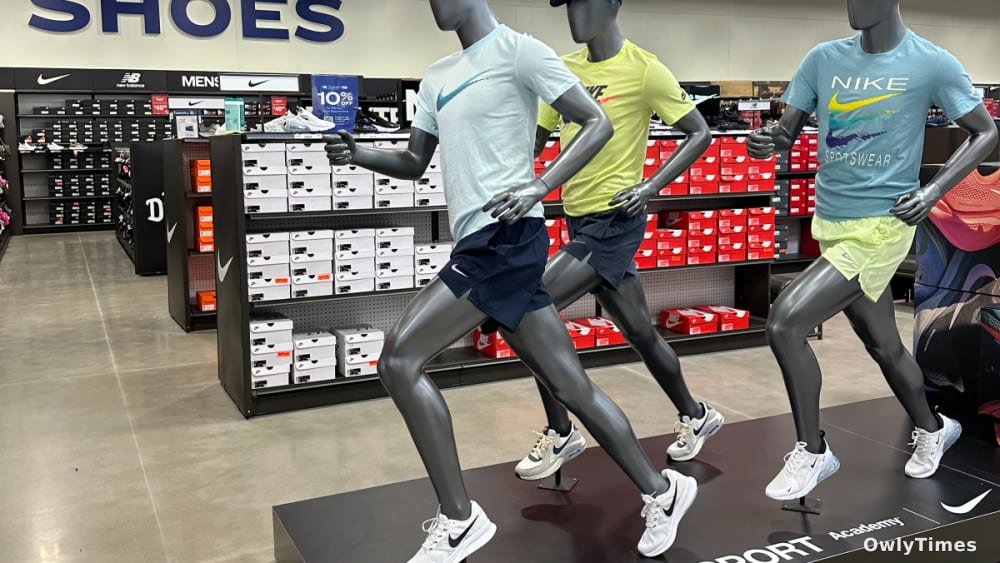
Five years ago, Academy was largely perceived as a destination for entry-level athletic gear. A place to pick up your first pair of running shoes, perhaps, but not where you’d go for serious training equipment. That perception is rapidly changing. McCabe revealed a striking statistic: just 4 percent of shoe sales were over $100 five or six years ago. Now, that number has climbed to 35 percent. This isn’t simply about inflation; it’s about a deliberate strategy to elevate the product mix, bringing in brands like Nike (with models like the Vomero and Vomero Plus), Brooks, Adidas, and New Balance. This shift reflects a broader cultural trend: the rise of the “athleisure” athlete, someone who prioritizes fitness and performance, and is willing to invest in quality gear. It’s a demographic that’s been largely ignored by traditional sporting goods retailers, who often cater to either the beginner or the elite athlete, leaving a significant gap in the middle.
Redefining Loyalty: From First Pair to Tenth Marathon
The most compelling aspect of Academy’s transformation isn’t just the higher price points, but the retention strategy it enables. Previously, customers might have started with Academy for their first running shoes, then “graduated” to a more specialized retailer as their commitment to running grew. Now, McCabe proudly states, they can continue their “journey” with Academy, purchasing shoes for their tenth marathon alongside options for beginners. This is a powerful statement about building brand loyalty in a notoriously fickle market. It’s about becoming a partner in the customer’s athletic development, not just a transactional vendor. This strategy is particularly relevant in a time when consumers are increasingly seeking experiences and relationships with brands, rather than simply products.
Two Stores, One Strategy: Targeting the “Game Family”
Academy isn’t just refining its product mix; it’s also rethinking its physical footprint. While maintaining its traditional 63,000-65,000 square foot stores in urban areas, the retailer is experimenting with smaller, 50,000-55,000 square foot locations in the suburbs. These smaller stores are designed to appeal to a specific demographic: the “game family” – households that participate in both outdoor activities like fishing and shooting sports and team sports. This targeted approach reflects a growing understanding of consumer segmentation and the importance of tailoring the retail experience to specific needs. It’s a move that acknowledges the diverse interests of modern families and positions Academy as a one-stop shop for all their sporting goods needs. The company aims to add an average of 25 stores annually, but the two formats allow for more flexibility.
The numbers tell a story of cautious optimism. Preliminary first quarter fiscal 2026 sales are projected to rise 6-7 percent, with comparable sales up 2-3 percent. While full-year net income fell nearly 10 percent to $376.8 million, net sales still rose 2 percent to $6.05 billion. Academy is aiming for $8 billion in revenue and a 15 percent e-commerce penetration within the next five years. But beyond the financial targets, the real story is about a retailer recognizing a cultural shift and adapting accordingly. The question now is whether Academy can maintain this momentum, particularly as the economic landscape becomes increasingly uncertain. Will the World Cup truly translate into sustained participation, or will it be a fleeting moment of excitement? And can Academy continue to attract and retain the “athleisure” athlete, even as competition from specialized retailers intensifies? The answers to these questions will determine whether Academy Sports + Outdoors can truly become the go-to destination for the American athlete, at every stage of their journey.

