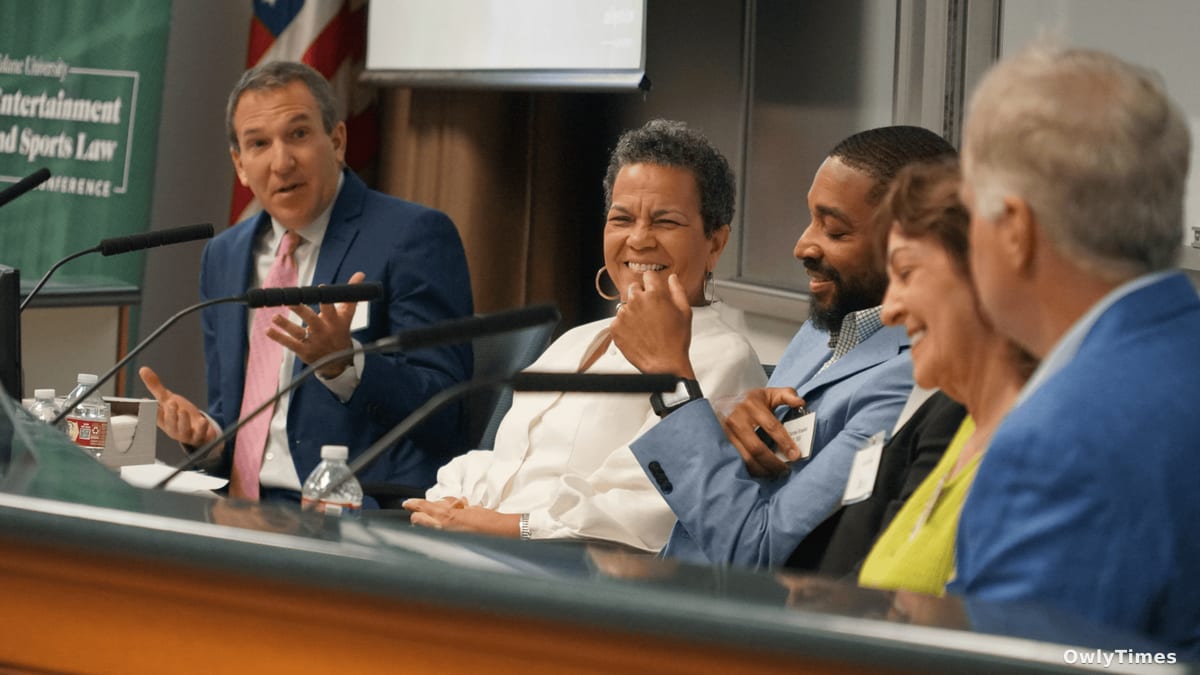

The scent of gumbo hung heavy in the air, a distinctly New Orleans aroma battling with the crisp, academic scent of old law books. It was February, but inside Tulane Law School, the energy was already building for April. Not for exams, but for deals, disputes, and the dizzying future of entertainment and sports. The 9th Annual Entertainment & Sports Law Conference, set for April 10-11, isn’t just another academic gathering; it’s a pressure cooker where the next wave of legal battles – and blockbuster deals – are being anticipated. And this year, the temperature is rising with the addition of Desmond Howard, the former Heisman winner and Super Bowl MVP, as keynote speaker.
From Heisman to Headlines: The Shifting Landscape of Athlete Influence
The choice of Howard isn’t accidental. He embodies a fascinating transition in the world of sports. He didn’t just play the game; he became a brand, a personality, a broadcaster. This reflects a broader trend: athletes are no longer simply employees of leagues, but increasingly, independent entities with significant economic and cultural power. The conference, and Howard’s presence, acknowledges the legal complexities that come with that shift. We’re past the days of purely negotiating player contracts; now, lawyers are navigating name, image, and likeness (NIL) deals, influencer marketing, and the potential for athletes to become media moguls themselves. Consider that in 2023, NIL deals generated an estimated $1.8 billion in revenue, a figure that’s projected to nearly double by 2028, according to data from Athlete Network. That’s a legal landscape being built in real-time, and Tulane is positioning itself at the epicenter.
This article draws on reporting from law.tulane.edu.
The Alumni Network Powering the Pipeline
The conference’s origins are rooted in a very specific kind of ambition: the desire of Tulane Law alumni to give back. Jeff Frost (L’89), founder of Bristol Circle Entertainment, Kevin Yorn (L’90), whose firm Yorn Levine represents a roster of A-list talent including Alicia Keys and the D’Amelio sisters, and Tim Francis (L’84) of Sher Garner didn’t just want to host a conference; they wanted to build a pipeline. They understood that breaking into entertainment and sports law isn’t about grades alone, it’s about access. The fact that these three successful alumni consistently return to invest in the next generation speaks volumes about the strength of the Tulane network and its commitment to shaping the future of these industries. It’s a model other law schools should be studying – a proactive approach to career development that goes beyond traditional recruiting.
Beyond Contract Law: AI and the Future of Content Creation
While contract negotiations and athlete representation remain core components of the conference, the program is expanding to address the disruptive forces reshaping the entertainment world. Artificial intelligence, for example, is no longer a futuristic threat; it’s a present reality. The conference will delve into the legal implications of AI-generated content, copyright issues surrounding AI-created music and art, and the potential for AI to automate aspects of legal work itself. This isn’t just about protecting intellectual property; it’s about defining the very nature of creativity in the digital age. The entertainment industry saw a 15% increase in AI-related legal disputes in 2025, according to a report by the Intellectual Property Owners Association, signaling a clear need for legal professionals equipped to navigate these uncharted waters.
A Taste of Local Flavor, A Global Conversation
The inclusion of a lunchtime cooking demonstration with New Orleans chef Dook Chase IV is a clever touch. It’s a reminder that even as the conference tackles global issues, it’s firmly rooted in its local context. New Orleans, with its vibrant music scene and rich cultural heritage, is a microcosm of the creative industries the conference serves. It’s a subtle but powerful message: entertainment and sports law aren’t abstract concepts, they’re about protecting and fostering the very things that make cities like New Orleans thrive. This year’s event, free and open to the public, is a deliberate attempt to broaden the conversation, inviting not just legal professionals but also artists, entrepreneurs, and anyone interested in the intersection of law, business, and creativity.
The Tulane Entertainment & Sports Law Conference isn’t just about predicting the future of these industries; it’s about actively shaping it. But as the conference wraps and attendees disperse, the crucial question remains: will the legal frameworks keep pace with the relentless innovation happening in entertainment and sports? Will the next generation of lawyers be prepared to navigate the ethical and legal dilemmas posed by AI, NIL deals, and the ever-evolving demands of a globalized audience? The answers to those questions will determine not just the success of individual careers, but the very future of these dynamic and influential fields.