
Is your wearable device actually helping your health, or is it just creating a high-tech feedback loop that keeps you tethered to a screen? We are currently witnessing a massive influx of sensor-driven hardware entering the medical space, and the industry is eager to convince us that more data equals better outcomes.
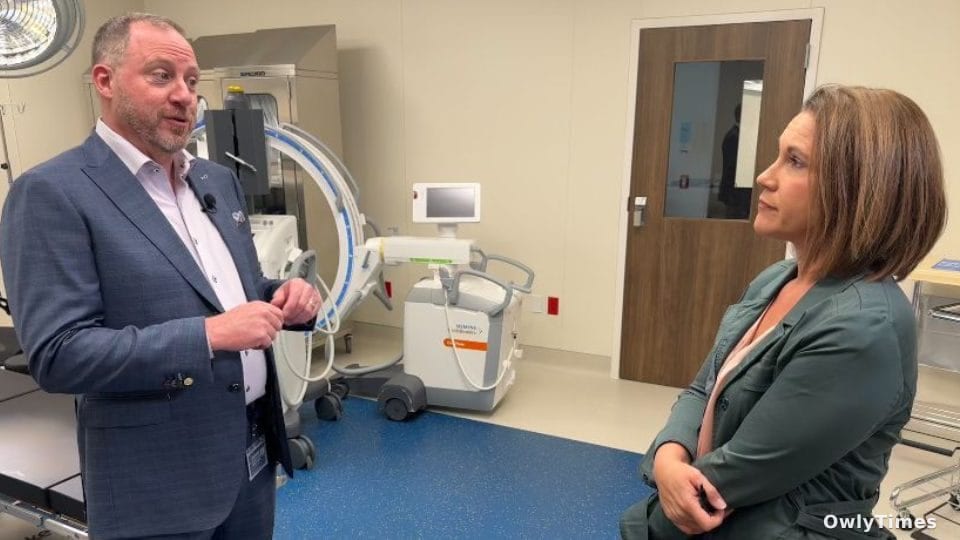
The real story here isn't the sophisticated sensors inside the latest medical wearables—it’s the shift toward using these gadgets as primary tools for clinical intervention. We recently saw the Indiana Orthopedic Institute lean into this trend by highlighting AI-powered bracelet technology, a move that signals a departure from traditional, reactive medicine toward a model of constant, algorithmic surveillance.
The Algorithmic Shift in Orthopedics
When we think of medical tech, we usually picture massive MRI machines or complex surgical robotics. The current pivot toward wrist-worn AI suggests that the future of recovery and diagnostics might be much smaller and significantly more intrusive. By deploying AI bracelets, institutions like the Indiana Orthopedic Institute are attempting to quantify patient recovery through passive data collection.
Think of this like an advanced flight data recorder for your arm. Just as an airplane’s "black box" monitors altitude, speed, and fuel consumption to reconstruct a flight path, these bracelets track movement patterns to infer physical progress. The goal is to move beyond the patient’s subjective report of "how they feel" and replace it with hard, numerical output.
Why Data Tracking Isn't Just for Athletes
For the average user, the distinction between a consumer fitness tracker and a medical-grade device is becoming dangerously blurred. We have spent years training ourselves to check step counts and heart rate variability as badges of honor. Now, that same mental muscle is being applied to clinical rehabilitation.
The danger is that we assume these metrics carry the same weight as a physical examination. While an AI might process movement data with impressive speed, it lacks the tactile intuition of a human clinician. We are essentially offloading the nuance of medical recovery to an algorithm, assuming the machine can "see" a healing joint better than a surgeon can feel it.
The Reliability of Constant Surveillance
The industry narrative frames this as a win for convenience and efficiency, but we have to ask what happens when the data doesn't match the human experience. If your AI bracelet reports perfect range-of-motion metrics while you are still experiencing sharp, lingering pain, which one is "right"?
The current reliance on these automated tracking systems risks prioritizing the data stream over the patient’s actual comfort. It transforms the patient into a data point that must be optimized, rather than a person undergoing a complex recovery process. The clinical utility of these devices is only as good as the software’s ability to account for human variables, and currently, the tech seems more focused on the collection of information than the synthesis of insight.
The next reading of the data gathered through these ongoing patient-monitoring initiatives will indicate whether AI-driven bracelets actually improve long-term orthopedic outcomes or simply add another layer of unnecessary digital noise to the healing process.