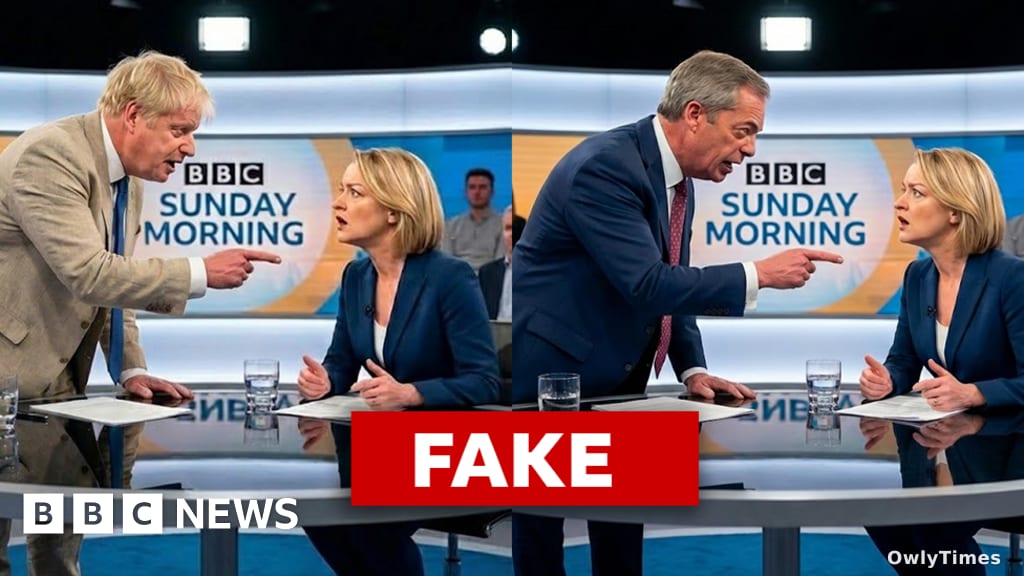

The calculated deployment of disinformation, specifically AI-generated deepfakes, isn’t a spontaneous threat to UK politics – it’s a predictable escalation in the cost of influence. The recent uncovering of Vietnam-based “content farms” flooding social media with fabricated narratives about British politicians, as reported by the BBC and analyzed by Professor Martin Innes of Cardiff University, reveals a strategic shift: the commodification of political manipulation. These aren’t amateur attempts at mischief; they’re commercially driven operations exploiting the lowered barriers to entry for creating convincing, if not always perfect, falsehoods. The immediate trigger for heightened concern is the upcoming Welsh and Scottish parliamentary elections in May, but the long game is a destabilization of trust in political information itself.
The core dynamic at play is simple: profit motive meeting political vulnerability. Professor Innes correctly identifies these pages as “content farms” designed to go viral, suggesting monetization through advertising revenue is the primary driver. Who benefits and who loses? The content farms benefit financially, potentially at the expense of platform integrity. Politicians – including Boris Johnson, Nigel Farage, Rishi Sunak, Zia Yusuf, and Keir Starmer – lose control of their public image and face the cost of constant rebuttal. Voters lose access to reliable information, and ultimately, democratic processes are eroded. The fact that Meta removed pages only after being contacted by the BBC highlights a reactive, rather than proactive, approach to a rapidly evolving threat. The volume of new pages appearing daily underscores the difficulty of containment.
Drawn from the BBC.
This isn’t a novel tactic, but the technology is. Throughout history, political actors have employed propaganda and disinformation to sway public opinion. Consider the forged “Zinoviev Letter” in 1924, a fabricated document intended to discredit the Labour Party in the UK, or the elaborate Soviet disinformation campaigns of the Cold War. These operations, while impactful, required significant resources and logistical complexity. Today, AI tools allow for the mass production of personalized disinformation at a fraction of the cost. The difference is scale and speed. The historical precedent demonstrates that the intent – to manipulate – remains constant, while the means of execution are constantly evolving. The current situation is akin to the early days of radio broadcasting, where the potential for manipulation was recognized, but effective regulation lagged behind technological advancement.
The experiences of Welsh politicians, like Labour MP Alex Davies-Jones, who described being targeted with “horrific” deepfakes, including sexually explicit fabrications, reveal the personal toll of this new form of attack. Her reluctance to speak publicly due to fear of increased targeting is a chilling indicator of the chilling effect this technology can have on political participation. The fact that these attacks aren’t limited to politicians – celebrities are also being inserted into fabricated scenarios – suggests a broader attempt to normalize the acceptance of synthetic media. The pages’ frequent staging of multiple politicians in the same fabricated scenarios, such as a dramatic confrontation with Laura Kuenssberg, points to a deliberate strategy of creating a shared, false narrative.
The Electoral Commission’s development of software to detect deepfakes is a necessary, but likely insufficient, response. As Professor Innes points out, the software may help understand the problem after the fact, but won’t prevent the initial spread of disinformation. The focus on “shallowfakes” – less realistic but still potentially misleading content – is also significant. This suggests the immediate threat isn’t necessarily sophisticated, Hollywood-quality deepfakes, but rather a deluge of easily produced, low-fidelity fabrications designed to overwhelm fact-checking efforts. The UK government’s reliance on the Online Safety Act to compel platforms to address the issue places the onus on private companies, a strategy that has proven uneven in its effectiveness.
The political chess move to watch next isn’t whether the Electoral Commission’s software works, but whether the devolved parliaments in Wales and Scotland will proactively demand greater transparency from social media platforms before the May elections. Will they leverage their legislative authority to compel platforms to disclose the origin and funding of political advertising, and to implement more robust verification processes for accounts promoting political content? The answer will reveal whether these elections are viewed as a testing ground for a new era of digital political warfare, or as an opportunity to establish a more resilient democratic infrastructure.





