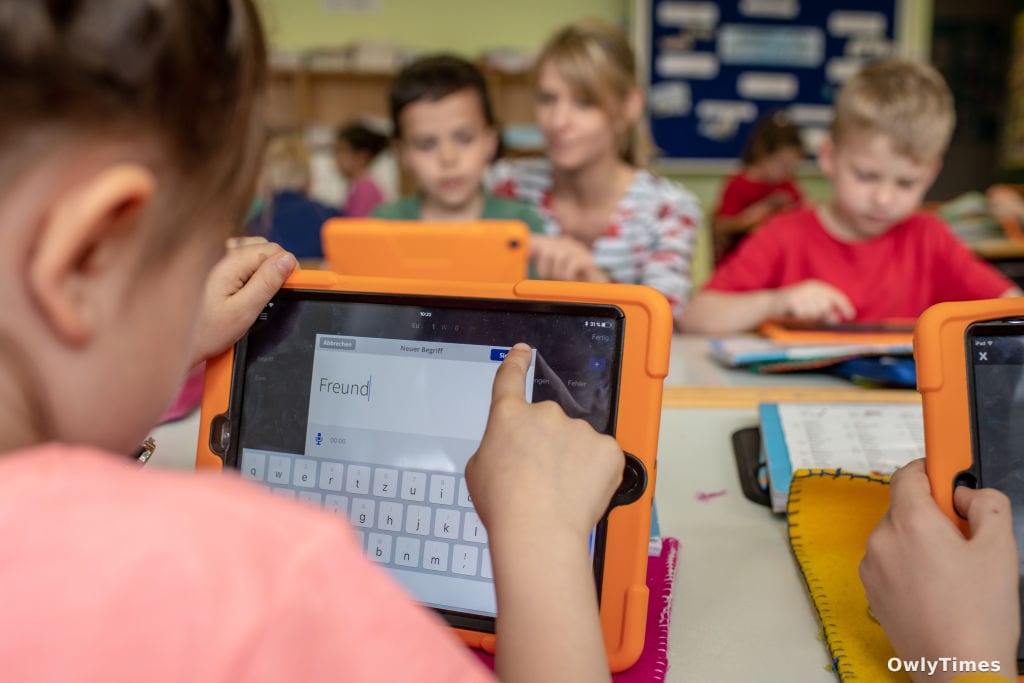

Is the impending wave of AI-driven job market anxiety actually just a massive, collective panic attack over nothing? While headlines insist that silicon-brained algorithms are coming for every entry-level desk job on the planet, the data suggests we are looking at the wrong threat. The real story here isn't that AI is replacing the class of 2026—it’s that students are letting the fear of automation atrophy their most human professional assets.
The 5.6 Percent Hiring Reality Check
The narrative of a closed-off job market for new graduates is being actively challenged by the numbers. According to findings from the National Association of Colleges and Employers (NACE), employers are actually projecting a 5.6 percent increase in hiring for the class of 2026. This isn't a massive explosion of opportunity, but it is a steady pulse of growth that contradicts the "AI-apocalypse" doom-scrolling currently dominating campus coffee shops.
Fran Berrick, a career coach and the founder of Spearmint Coaching, argues that students are losing their competitive edge by treating statistics like a death sentence. Her advice is to stop letting the "onslaught of AI" dictate the boundaries of your ambition. If you are qualified for a high-competition field, the existence of a chatbot shouldn't be the reason you pivot to a career path you don't actually want.
The Peril of the "Low-Effort" Digital Persona
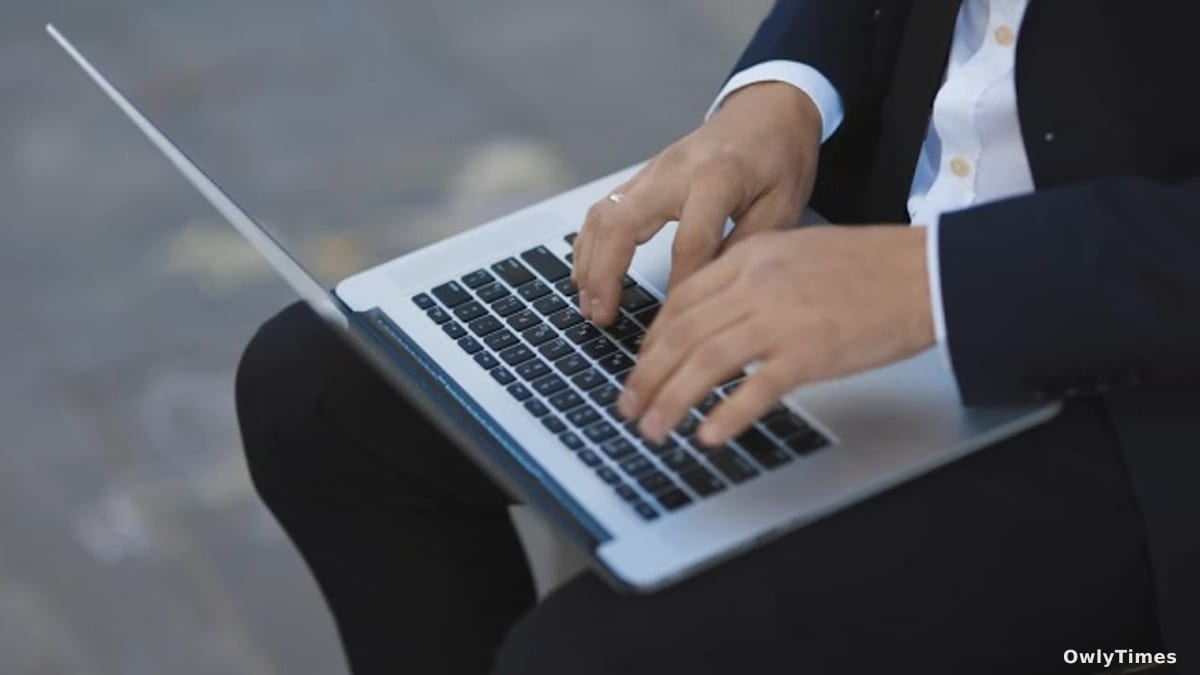
While Berrick encourages using AI as a tool for customizing cover letters and follow-ups, there is a fine line between efficiency and an instant rejection. We are currently witnessing a surge in the use of AI-generated headshots, a trend that is proving to be a silent killer for job applicants. Photographer Christ Gillet warns that these synthetic images are being read by recruiters as a red flag for character rather than just a technical shortcut.
When a hiring manager spots an AI-generated profile picture, Gillet notes that it triggers a specific, damaging conclusion: that the applicant is a "low-effort person" who cuts corners. In the eyes of a recruiter, if you couldn't be bothered to sit for a professional photo, you might be the type of employee who chooses the path of least resistance on every project. The vibe you project—whether it's the sharp, unflappable energy of a lawyer or the approachable, human warmth of a client-facing professional—is currently being flattened by algorithmically generated portraits.
Why Networking Still Outruns the Algorithm
The technical shift toward AI in the workplace hasn't actually changed the oldest rule of the game: it’s still about who you know. Berrick emphasizes that if you aren't landing the interview, the solution is rarely to refine your prompt engineering; it is to find a human referral. Securing an introduction to someone who already works at the company is the single most effective way to cut through the digital noise.
This strategy requires a shift in how students approach their pre-graduation years. While AI can draft a follow-up email, it cannot replace the genuine rapport built during an internship or a cold-call conversation. The ability to pitch oneself and align personal skills with the specific, shifting needs of an employer remains the most valuable currency in the room.
The next reading of the NACE hiring projections will show whether this 5.6 percent growth trend holds as the class of 2026 moves closer to their actual start dates. Until then, the biggest risk to a graduate’s career isn't that a computer will take their job—it's that they will lose their own identity trying to compete with one.