
The sheer volume of results flowing out of the 2026 ASAA State Championships – spanning Nordic skiing, basketball, gymnastics, and hockey – isn’t noise; it’s a concentrated demonstration of power consolidation in Alaska’s high school athletics. While individual victories grab headlines, the underlying trend reveals a strategic shift: resources and coaching are increasingly concentrated in programs capable of consistently delivering state titles, creating a widening gap between established powerhouses and smaller schools. This isn’t simply about athletic prowess; it’s about the political economy of high school sports, where funding, facilities, and recruitment subtly dictate outcomes.
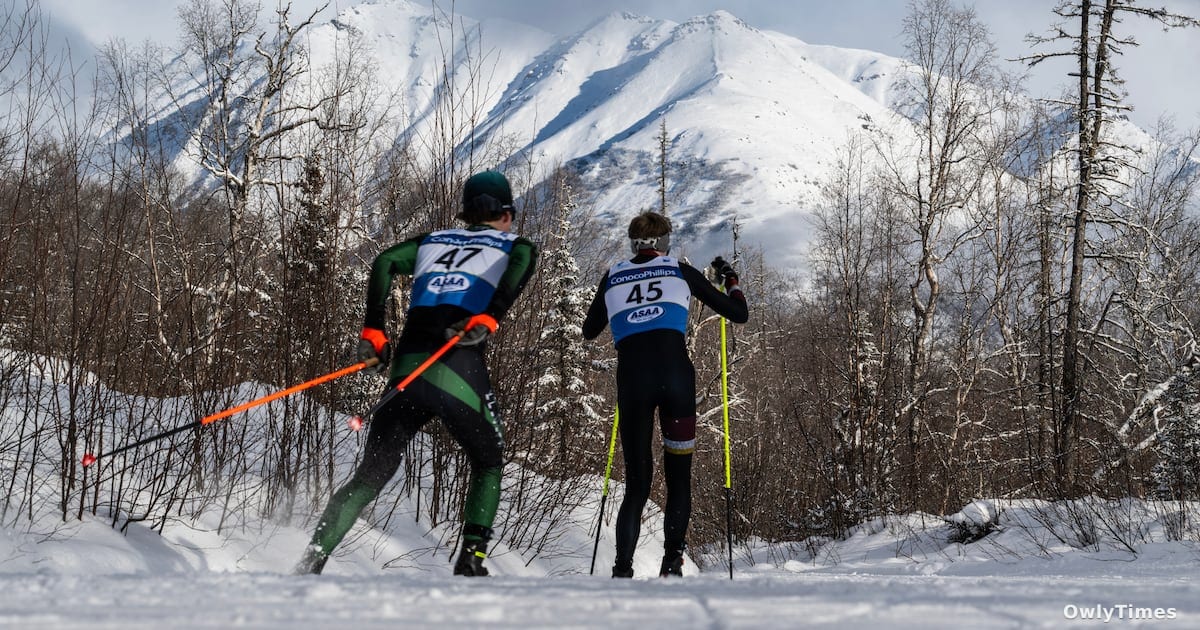
The Nordic skiing results, detailed across freestyle and classic events, illustrate this dynamic perfectly. South High School dominated both the boys’ and girls’ overall team scores, a feat achieved not through luck, but through sustained investment in a program that attracts top athletes and employs specialized coaching. The individual results – Jack Leveque of Service consistently placing high, Miya Kam-Magruder of Service and Mia Stiassny of South trading victories – are noteworthy, but the team scores reveal the broader pattern. Schools like Colony and West Valley are competitive, but consistently fall short of South’s dominance. This isn’t a commentary on the athletes, but on the systemic advantages enjoyed by schools with larger budgets and established programs. The fact that Kenai Central and Soldotna consistently appear in the top ten, despite being geographically removed from the Anchorage hub, speaks to the strength of their localized programs, but also highlights the difficulty of competing with the resources available in the state’s largest city.
The basketball tournament results, a sprawling matrix of wins and losses, reinforce this trend. Mountain City Christian Academy’s dominant performance in the girls’ bracket – exemplified by their 88-22 victory over Soldotna – isn’t an anomaly. It’s the result of a focused recruitment strategy and a commitment to basketball excellence. Similarly, the consistent success of schools like Bartlett, Dimond, and Grace Christian demonstrates a pattern of sustained investment. The lower-scoring games, and the frequent defeats suffered by smaller schools like Nenana and Galena, aren’t simply indicative of skill disparities. They reflect a lack of access to quality coaching, modern facilities, and consistent training opportunities. The sheer number of games played over four days – a logistical undertaking in itself – underscores the scale of the operation and the resources required to compete at this level.
This piece references the adn.com report.
This concentration of power isn’t new. Alaska’s school sports landscape has long been characterized by disparities between urban and rural schools, and between well-funded and under-funded programs. However, the increasing professionalization of high school athletics – the rise of travel teams, specialized coaching, and aggressive recruitment – is exacerbating these inequalities. The parallel to collegiate athletics is striking. Just as Power Five conferences dominate NCAA sports, a handful of Alaskan high schools are increasingly dominating the state championships. This isn’t necessarily a negative development – competition drives improvement – but it raises questions about fairness and access.
The inclusion of college-level results – gymnastics and hockey – further illustrates this dynamic. UAA and UAF’s performances, while important in their own right, are overshadowed by the broader trend of resource allocation. The fact that UAF consistently outperforms UAA in hockey, despite both being Division I programs, speaks to the historical investment in UAF’s hockey program. This isn’t a matter of talent, but of institutional priorities. The NAHL results, featuring the Anchorage Wolverines, demonstrate the pipeline of talent flowing from high school programs to junior leagues, further reinforcing the importance of established programs.
Who benefits and who loses from this consolidation of power? Established programs benefit from increased prestige, attracting more funding and talent. Athletes attending these schools benefit from access to superior coaching and facilities. However, smaller schools and rural communities lose out, struggling to compete with limited resources. The long-term consequences could be a decline in participation in high school sports in these communities, and a further widening of the gap between the haves and have-nots. The historical precedent here is the evolution of American youth sports, where increasingly expensive travel teams and specialized training have created a two-tiered system, excluding many children from participating.
The political chess move to watch next isn’t on the court or the ski trail, but in the halls of the Alaska State Legislature. The upcoming budget negotiations will determine the level of funding allocated to high school athletics, and whether any measures will be taken to address the growing disparities between schools. Specifically, the debate over equitable funding formulas for transportation and coaching stipends will be critical. Will the legislature prioritize maintaining the status quo, or will it take steps to level the playing field and ensure that all Alaskan students have the opportunity to compete? The answer to that question will determine the future of high school athletics in the state.

