
$40 Million Rosters and a Presidential Order: The Financial Fracture Line in College Sports
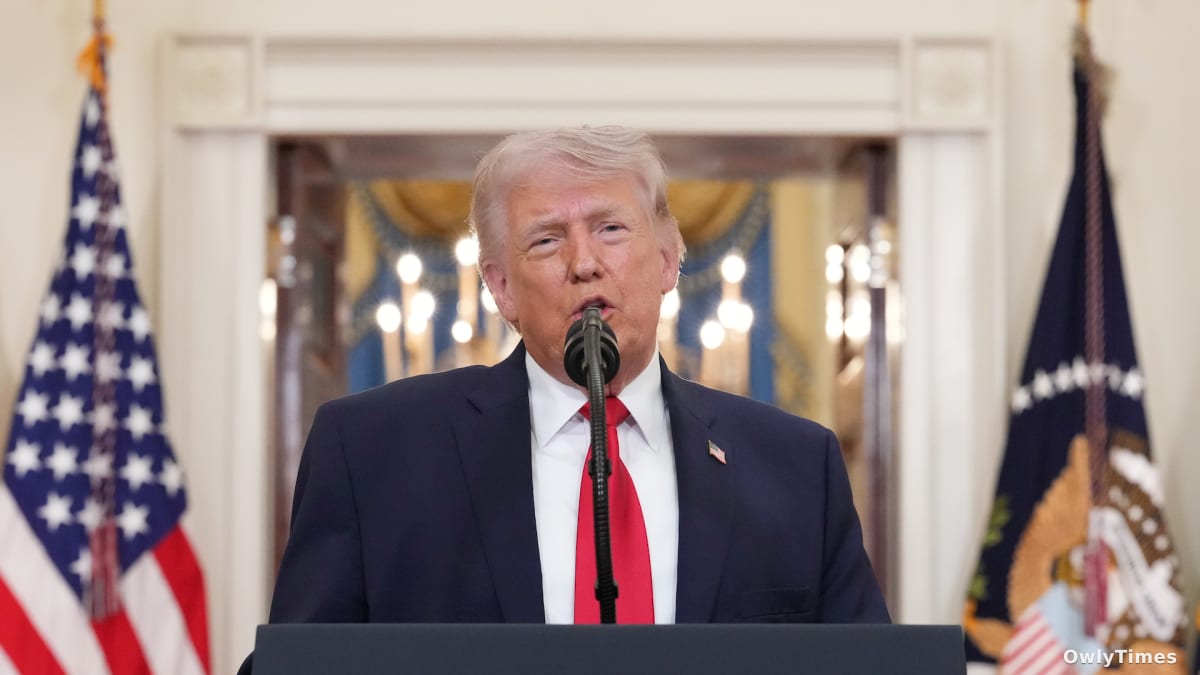
$40 million. That’s the figure LSU donors reportedly invested in Lane Kiffin’s first-year roster through NIL and revenue sharing, a sum that wasn’t just a record – it was a warning shot. President Donald Trump’s executive order, signed Friday aiming to “save college sports,” isn’t a response to abstract concerns about amateurism; it’s a direct reaction to this escalating financial arms race, and the widening chasm between the Power conferences and everyone else. Follow the money, and the logic of the order – capping transfers, redefining eligibility, and threatening funding for non-compliance – becomes clear: a desperate attempt to stabilize a system rapidly tilting towards a professionalized, hyper-concentrated model.
See the original CBS Sports story for the full account.
The order’s proposed return to a “one-time” transfer rule, with exceptions for graduate transfers, and a 5-for-5 eligibility model, are not nostalgic gestures. They are attempts to curb the free agency that has seen roughly 25% of FBS players enter the transfer portal during recent cycles. This isn’t about punishing players; it’s about limiting the upward pressure on player costs. The current system allows programs with deeper pockets to continually raid talent from smaller schools, exacerbating existing inequalities. The University of Louisville’s recent admission of a $25 million line of credit to cover athlete payments underscores the financial strain even established programs are facing. This isn’t sustainable for the majority of Division I institutions.
The threat to withhold federal funding from schools not adhering to NCAA rules is the most aggressive element of the order, and likely the most legally vulnerable. However, it highlights the administration’s understanding that financial leverage is the most potent tool available. The fact sheet released by the White House explicitly links compliance to federal grants and contracts, signaling a willingness to use the full weight of the federal government to enforce its vision. This move comes after months of deliberation, sparked by a May 2023 meeting between Trump and Nick Saban, and formalized through five committees tasked with recommending solutions. The inclusion of figures like SEC Commissioner Greg Sankey, NBA Commissioner Adam Silver, and booster Cody Campbell in the March 6 White House symposium demonstrates the breadth of stakeholders pushing for intervention.
However, the order’s effectiveness hinges on Congressional action, specifically the passage of legislation like the SCORE Act. Currently stalled, the SCORE Act aims to regulate NIL payments and establish federal standards. Senator Ted Cruz’s assessment that 60 Senate votes – including seven Democrats – are needed to pass the bill reveals the political hurdles ahead. Opposition from Democrats like Janelle Bynum and Shomari Figures, who have introduced alternative legislation, suggests a fundamental disagreement over the appropriate level of federal involvement and the balance of power between athletes and institutions. The tension isn’t simply about regulating NIL; it’s about who controls the future of college athletics – the NCAA, the schools, or the athletes themselves.
The data paints a stark picture of growing disparity. While SEC and Big Ten schools retained 97.4% of their eligible returning players thanks to lucrative TV contracts, the ACC and Big 12 saw a retention rate of just 56.8%. Group of Six schools are faring even worse, with only 29.5% of all-conference players remaining with their teams. This isn’t merely a matter of player choice; it’s a reflection of the financial incentives driving talent towards the wealthiest programs. The expected baseline roster cost of $45 million for contenders in 2027, as cited by one SEC head coach, is a figure that will effectively price out a significant portion of the Division I landscape. The $20.5 million revenue sharing cap for 2025-26, with 75% allocated to football, further concentrates resources, leaving other sports struggling to compete.
What this means for your wallet: expect continued ticket price increases, as athletic departments attempt to offset rising player costs. More importantly, watch for a potential two-tiered system to solidify, where a handful of Power conference schools operate as de facto minor leagues for the NFL, while smaller programs face increasing financial pressure and potential consolidation. The key question isn’t whether Trump’s order will succeed in its entirety, but whether it will force Congress to act, and whether any resulting legislation will address the fundamental economic imbalances that are reshaping college sports – or simply reinforce them.

