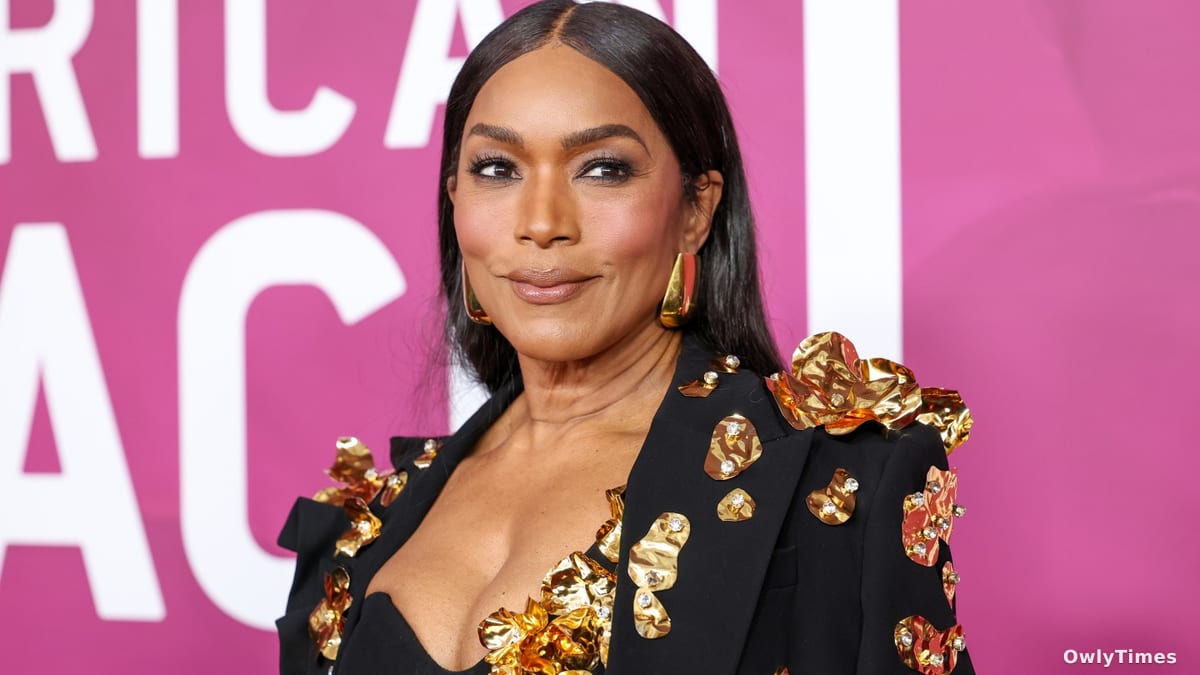

The ballroom at the Beverly Hilton pulsed with a quiet defiance Monday night. Not the kind shouted from picket lines, but the measured, steely resolve radiating from Angela Bassett as she accepted the Excellence in the Arts award at the 9th Annual ABFF Honors. It wasn’t just a celebration of her decades-long career, a career that has consistently shattered expectations and redefined what it means to be a leading Black woman in Hollywood. It was a stark warning, delivered with the grace and power that defines her, about the precarious state of inclusion in an industry hurtling towards an uncertain future. Beyond the headlines of glamorous award shows, a fundamental question hangs in the air: who gets to tell the stories, and whose stories will be erased in the rush to innovate?
Bassett’s speech wasn’t a lament, but a reckoning. She pinpointed a chilling trend – the deliberate “challenging, rebranding, and in some cases, erasing” of language around diversity, equity, and inclusion. This isn’t simply a semantic shift; it’s a symptom of a larger rollback, a quiet dismantling of hard-won gains. The actress noted that this shift isn’t happening in a vacuum. It’s coinciding with a technological revolution, where “technology is moving faster than wisdom,” and where the pursuit of “efficiency and projected progress” threatens to strip stories of their nuance and soul. The entertainment industry, she argued, is at a crossroads, and the path forward for Black creatives remains dangerously unclear. This isn’t about seeking handouts, but about ensuring a seat at the table when the future is being designed.
Original reporting: The Hollywood Reporter.
The timing of Bassett’s remarks is particularly resonant. DEI initiatives, once touted as essential, are now facing intense scrutiny and, in many cases, outright dismantling. A recent report by the UCLA College of Letters and Science revealed that representation of women and people of color in front of and behind the camera actually decreased in 2023, despite years of industry pledges. While representation of women increased slightly in lead roles, the gains were offset by declines in other areas, particularly for women of color in writing and directing positions. This isn’t a case of slow progress; it’s a demonstrable step backward, and Bassett’s speech feels like a direct response to that disheartening data. The fear isn’t just about losing opportunities, but about the potential for a return to a homogenous landscape where Black stories are once again relegated to the margins.
The looming specter of Artificial Intelligence adds another layer of complexity. While AI promises to revolutionize filmmaking, it also threatens to devalue human creativity and exacerbate existing inequalities. Bassett didn’t explicitly name AI as the enemy, but her warning about technology outpacing wisdom feels particularly pointed. The potential for AI to replicate and commodify Black stories, stripping them of their authenticity and cultural context, is a very real concern. This isn’t a futuristic dystopia; it’s a present danger, and the industry needs to proactively address the ethical implications of AI before it further erodes the gains made by Black creatives. Dwayne Johnson, receiving the Entertainment Icon Award that same night, echoed this sentiment of forging your own path, recounting how he was once advised to downplay his heritage and physicality to fit a conventional Hollywood mold. He, like Bassett, chose authenticity over assimilation.
Bassett’s call for “empowerment” – moving beyond symbolic gestures to invest in “longevity, ownership, mentorship, and legacy” – is the crux of the matter. It’s not enough to simply be included; Black creatives need to control their narratives, build sustainable careers, and cultivate the next generation of storytellers. Her challenge to those “with power, real power,” to choose “courage over comfort” is a direct appeal for systemic change. The industry’s future, she argues, won’t be saved by playing it safe, but by embracing the full spectrum of voices and perspectives. The awards ceremony itself, honoring talents like Jennifer Hudson, Damson Idris, and the team behind Sinners, served as a powerful testament to the richness and diversity of Black storytelling. But the question remains: will this recognition translate into lasting, meaningful change, or will it be overshadowed by the forces pushing for regression? The industry must now decide if it will heed Bassett’s warning and actively build a future where Black creatives not only belong, but truly thrive.