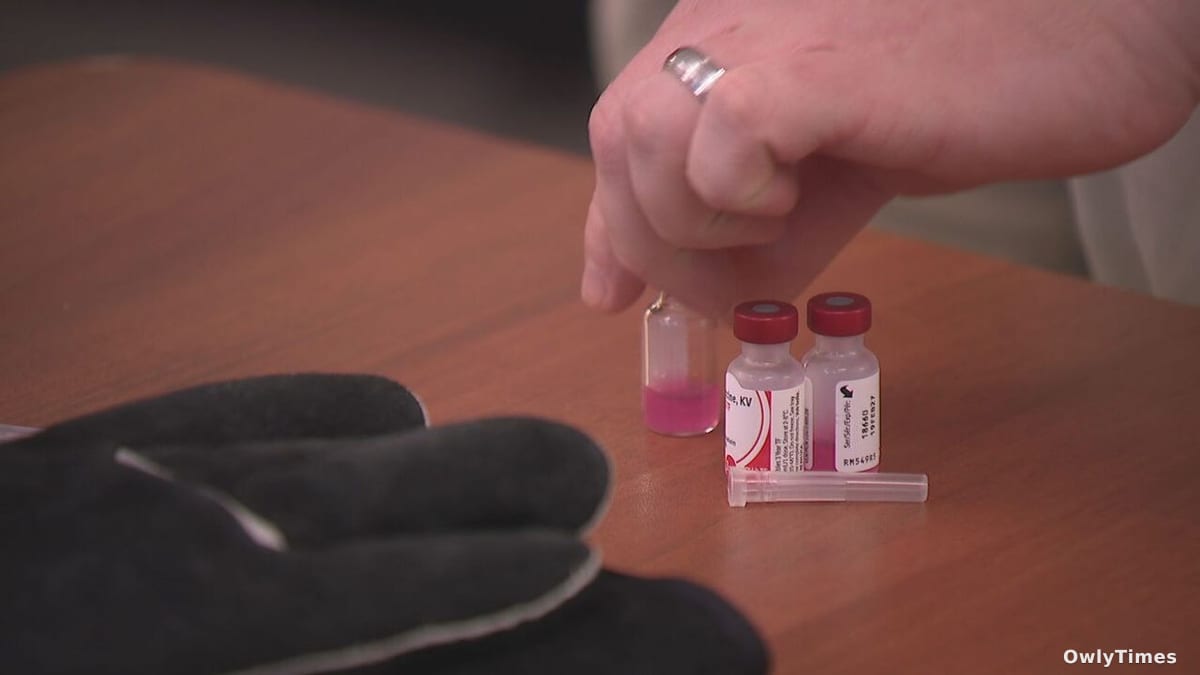

Beyond the Bite: Understanding Rabies Risk in Anne Arundel County
The recent confirmation of a rabies case in a raccoon found in Annapolis isn’t simply a public health alert; it’s a reminder of the complex interplay between urban development, wildlife populations, and the ongoing, often unseen, threat of zoonotic diseases. While headlines focus on the immediate need to contact the Anne Arundel County Department of Health if you suspect exposure, the situation prompts a deeper question: how are we, as a community, managing the increasing interface between human and wildlife spaces, and what does this mean for long-term rabies surveillance and prevention? The case, identified on Tuesday, February 17th, 2026, near Holly Drive in the Amberly area, underscores a vulnerability that extends far beyond a single animal.
Source material: foxbaltimore.com.
The Science of Exposure and the Urgency of Post-Exposure Prophylaxis
Rabies, caused by a virus that attacks the central nervous system, is almost invariably fatal once symptoms develop. Transmission typically occurs through the saliva of an infected animal, most commonly via a bite or scratch, but can also happen if saliva contacts mucous membranes – eyes, nose, mouth, or open wounds. This is why the Anne Arundel County Department of Health is actively seeking anyone who may have had contact with the raccoon, and why prompt action is critical. It’s important to understand that the current concern isn’t just about a bite; any potential exposure, however minor it may seem, warrants a call to the Department of Health at 410-222-7254 during business hours (7:30 a.m. to 4 p.m.) or 443-481-3140 after hours. The reason for this urgency lies in the effectiveness of post-exposure prophylaxis (PEP) – a series of vaccinations and, in some cases, immune globulin – which is nearly 100% effective if administered promptly after exposure. Delays significantly reduce the chances of successful treatment.
A Local Case in a National Context: Rabies Trends and Wildlife Reservoirs
While a single case might seem localized, it’s crucial to view it within the broader context of rabies epidemiology. According to the Centers for Disease Control and Prevention (CDC), the United States has seen a relatively stable number of reported rabies cases in humans – typically around 1-2 per year – for the past decade, largely due to successful animal vaccination programs and PEP availability. However, the vast majority of these cases are linked to bat variants of the virus. In Maryland, raccoons are the primary reservoir for the classic rabies virus strain. This means raccoons are the animals most frequently found to be infected and are responsible for the majority of reported cases in the state. The Maryland Department of Natural Resources (DNR), reachable at 877-463-6497 during business hours and the Maryland Natural Resources Police at 410-260-8888 after hours, plays a vital role in monitoring wildlife populations and investigating potential exposures that don’t involve direct human contact. Reporting sick or injured animals to the DNR is a key component of early detection.
Limitations to Consider: Surveillance Gaps and Behavioral Factors
It’s important to acknowledge the limitations of our current understanding. Rabies surveillance relies heavily on reported cases, meaning the actual prevalence of the virus in wildlife populations is likely underestimated. Many animals go unnoticed, and not all exposures are reported, particularly minor scratches or encounters with seemingly healthy animals. Furthermore, human behavior plays a significant role. Leaving pet food outdoors, unsecured garbage, and allowing pets to roam freely all increase the likelihood of encounters with wildlife. The Department of Health’s recommendations – current pet vaccinations, securing garbage, and avoiding contact with wildlife – are not merely suggestions; they are evidence-based strategies to minimize risk. The fact that the infected raccoon was found in a residential area highlights the challenge of coexisting with wildlife in increasingly developed landscapes.
Looking Ahead: Proactive Strategies and Community Engagement
The next steps in addressing this situation extend beyond identifying potential contacts. Researchers are actively investigating the genetic characteristics of the virus found in the raccoon to determine its origin and track its spread. More broadly, continued investment in wildlife surveillance programs, coupled with public education campaigns emphasizing responsible pet ownership and wildlife avoidance, are essential. A critical question moving forward is whether current surveillance efforts are adequately capturing the full extent of rabies activity in Anne Arundel County, and whether targeted vaccination programs for wildlife in high-risk areas could be implemented. Residents should be vigilant, report any unusual animal behavior to the appropriate authorities, and be prepared to act quickly if they suspect a potential exposure. The case on Holly Drive isn’t just about one raccoon; it’s a call for a more proactive and informed approach to managing the risks posed by rabies in our community.





