
A Warming Climate and a Deadly Virus: Why Colorado’s First Rabies Case Matters Now
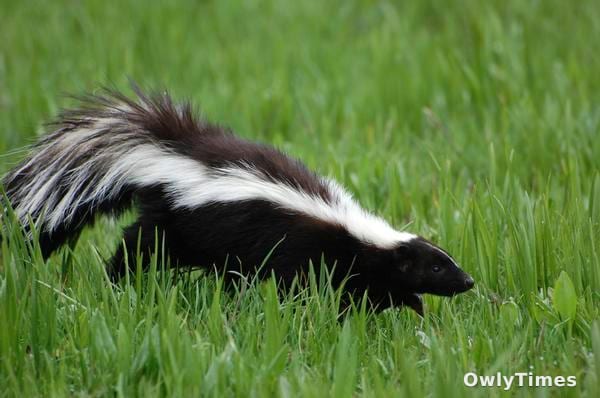
The confirmation of rabies in a skunk in Arvada isn’t simply a public health alert; it’s an early warning sign of how climate change is subtly reshaping disease patterns in Colorado. While rabies isn’t new to the state, the timing of this first case – appearing in January, during an unusually warm winter – is what demands attention. We’re accustomed to thinking of rabies as a summer concern, but a shifting climate is blurring those seasonal boundaries, increasing the potential for human and animal exposure. The case, identified by Jefferson County Public Health in the Oak Crest neighborhood near West 80th Avenue and Simms Street, underscores a growing tension: our preparedness for disease outbreaks is often predicated on predictable seasonality, and that predictability is eroding.
This article draws on reporting from denverpost.com.
Understanding the Risk: Beyond the Headlines of a Single Case
Initial reports understandably focus on the immediate risk – avoiding contact with wildlife. However, the significance extends beyond individual encounters. Rachel Reichardt, environmental health specialist and zoonosis lead at the health department, points out that increased animal activity, driven by warmer temperatures, simply elevates the probability of transmission. This isn’t about a sudden surge in rabid animals, but a longer window of opportunity for the virus to spread. It’s crucial to understand what the study – in this case, the identification of this single case coupled with meteorological data – actually found versus what headlines claim. The finding isn’t that rabies is becoming more prevalent overall, but that the period of potential exposure is lengthening. Over the last five years, the Colorado Department of Public Health and Environment has documented 38 winter cases, overwhelmingly in skunks, demonstrating this isn’t an isolated incident. This year’s early case suggests that trend may be accelerating.
The Brutal Reality of Rabies and the Difficult Choices Facing Pet Owners
The gravity of a rabies diagnosis stems from its near-certain lethality. The death rate for both humans and animals infected with rabies exceeds 99%, a statistic that underscores the importance of preventative measures. While human exposure is treated with a post-exposure prophylaxis – a series of shots – the situation for unvaccinated pets and livestock is far more dire. According to the Centers for Disease Control and Prevention, animals not previously vaccinated must either receive a booster if previously vaccinated, or face euthanasia, unless a specialized facility can accommodate a lengthy, months-long quarantine. This presents a heartbreaking dilemma for pet owners, and highlights a critical gap in infrastructure: the limited availability of these quarantine facilities. The financial and emotional burden of this potential outcome is significant, and disproportionately impacts rural communities where livestock are more common.
Limitations to Consider: Surveillance and Species Variation
While the current surveillance system is effective at identifying cases in commonly tested animals like skunks, it’s important to acknowledge its limitations. Rabies can affect a wide range of mammals, and surveillance efforts aren’t equally distributed across all species. This means we may be underestimating the true extent of the virus’s presence in the ecosystem. Furthermore, the virulence of the rabies virus can vary between species, and the specific strain circulating in Colorado hasn’t been fully characterized. Understanding these variations is crucial for developing targeted prevention strategies. The data currently available focuses on confirmed cases, meaning it doesn’t capture the number of potential exposures that didn’t result in infection, making it difficult to accurately assess the overall risk.
What Comes Next: Predicting and Preparing for a Changing Landscape
The next crucial research step involves expanding wildlife surveillance to include a broader range of species, and investing in genomic sequencing to track viral evolution. Equally important is modeling how climate change will continue to alter animal behavior and disease transmission patterns. We need to move beyond reactive measures – responding to cases as they arise – and towards proactive strategies that anticipate future risks. Specifically, Colorado residents should watch for changes in wildlife behavior in the coming months. Are skunks, raccoons, or foxes remaining active later into the winter than usual? Are there reports of unusual aggression or disorientation in these animals? Reporting such observations to local health authorities will be vital for refining our understanding of this evolving threat. The Arvada case isn’t just about one skunk; it’s a signal that the rules of the game are changing, and we need to adapt accordingly.





