
Forget the shiny new AI tools exclusively for Big Law partners earning six figures. What if the next big leap in legal technology isn't about making the wealthy even more efficient, but about leveling the playing field for everyone else? This week, Anthropic, a major player in the AI space, made a move that suggests exactly that, announcing what it calls its first comprehensive legal vertical initiative, with a surprising emphasis on the access to justice crisis.
The real story here isn't just Anthropic's rapid expansion into the legal tech market — a trajectory that already rattled incumbents like Thomson Reuters and Wolters Kluwer when it launched Claude Cowork in January — it's their explicit decision to position "access to justice" as a foundational pillar of this new strategy. For years, AI in law has largely focused on enterprise clients, leaving the vast majority of people who can't afford legal services in the lurch. This initiative, however, aims to integrate AI directly into tools designed for the underserved, signaling a potential paradigm shift.
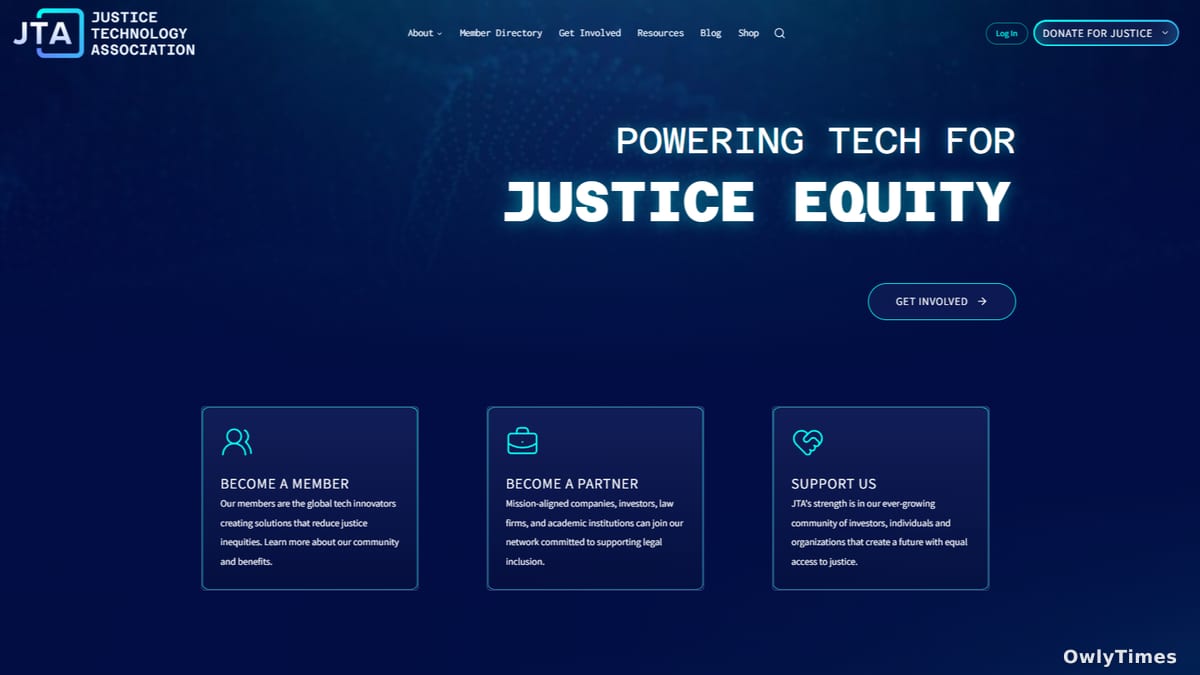
At the heart of this push is a partnership with the Justice Technology Association (JTA), a nonprofit trade group founded in 2022 that represents mission-driven companies tackling the access to justice crisis. Anthropic’s announcement confirmed collaborations with organizations like the Free Law Project and the JTA, stating, "Legal services are out of reach for many people and small businesses, and the gap is widening." This is a stark acknowledgment from a leading AI firm, and JTA Executive Director Maya Markovich underscores its significance, noting that Anthropic is building access to justice into the "core of Claude for Legal — not as a side feature but as a named priority alongside enterprise legal tools." This perspective, detailed in a recent LawNext report, suggests the industry might finally be grappling with this critical reality.
Democratizing Legal AI
Anthropic is putting its money where its mouth is, releasing more than 20 MCP connectors to legal tech products and 12 practice-area plugins for its Claude AI. This new infrastructure is designed to allow justice tech tools to integrate directly with Claude's capabilities, aiming for richer, more accessible experiences for individuals navigating legal problems without professional help. JTA members are already on board for the inaugural launch, including Boardwise, which guides professionals through occupational licensing, Descrybe, focused on making professional-grade legal research accessible, and Courtroom5, which offers case assessment tools, a deadline calculator, and crucial next-step guidance for self-represented litigants in civil cases. These are the kinds of tools that directly impact ordinary users, helping them understand complex legal processes without needing to hire a lawyer.
Beyond Big Law's Bottom Line
This latest move by Anthropic, whose official website can be found here, comes on the heels of a busy period for the company in the legal sector. Just last month, global law firm Freshfields announced a multi-year collaboration with Anthropic, deploying its AI across all 5,700 employees in 33 offices. This demonstrates Anthropic's clear ambition to compete at the highest echelons of legal practice. Yet, the simultaneous, explicit commitment to the access to justice sector suggests a broader vision, one that acknowledges the immense societal need alongside the lucrative enterprise market. It’s a delicate balancing act, trying to cater to two vastly different user bases with distinct needs and funding models.
The Real Test: Impact on the Ground
JTA itself characterizes the justice tech sector as among "the most innovative — and underfunded — in the legal tech sector." This tension between innovation and lack of resources is where Anthropic's initiative faces its true test. If the promise of this infrastructure genuinely empowers these underfunded justice tech companies, enabling them to scale their impact and reach more people, it could be a significant win. The question isn't whether AI can expand access to justice; it's whether a major AI player is truly committed to building the pathways to make it happen for ordinary people, not just for corporate bottom lines. The next year will show whether this initiative translates into tangible growth and increased reach for these vital, yet often overlooked, justice tech platforms, offering a clear signal of whether this is a genuine shift or merely clever PR.