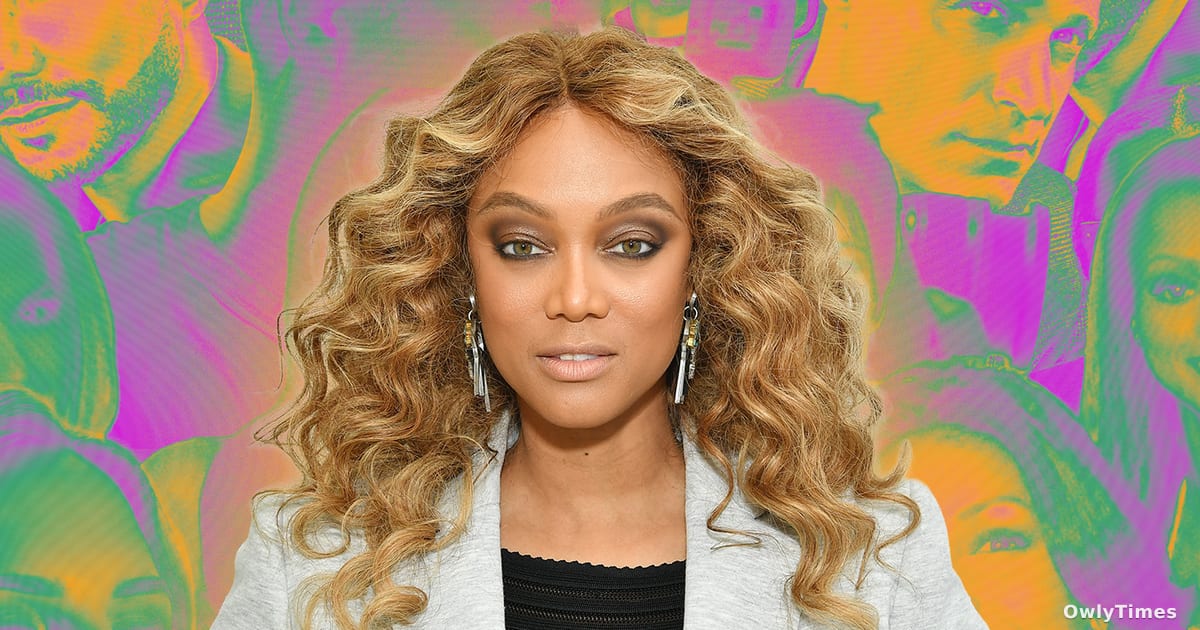

The chipped manicure on Tyra Banks’ hand, visible in a fleeting shot from the Netflix docuseries Reality Check: Inside America’s Next Top Model, felt more revealing than any confession. It wasn’t a symbol of imperfection, but of relentless production, of a machine churning out “ideal” women, and the subtle cracks appearing in the façade. The series, which premiered February 11th, isn’t just a rehash of reality TV drama; it’s a cultural autopsy, exposing the wounds inflicted in the name of entertainment and, more disturbingly, the ways those wounds haven’t healed. While the internet is quick to condemn Banks and the show’s producers, the real story isn’t about individual culpability, but about a system that demands perfection, exploits vulnerability, and then conveniently forgets its own complicity.
The Price of “Worthy” in the Early Aughts
For millennials coming of age in the early 2000s, America’s Next Top Model wasn’t just appointment television—it was a twisted curriculum in self-worth. The show, running for 24 cycles, presented a brutal, often dehumanizing, path to adoration, and the message was clear: thinness and whiteness were prerequisites. As the docuseries powerfully demonstrates through firsthand accounts from models like Ebony Haith (Cycle 1), Shandi Sullivan (Cycle 2), and Danielle Evans (Cycle 6), the pursuit of this “ideal” came at a steep cost. Flashbacks of Ebony’s skin being dismissed as “dull and ashy” resonate with a painful familiarity for many Black women, while Danielle’s experience with pressure to alter her gap tooth speaks to the insidious ways beauty standards are internalized. The show wasn’t creating these standards, but it was amplifying and monetizing them, and the impact was profound. A 2006 study by the National Eating Disorders Association showed a 40% increase in eating disorder-related searches online coinciding with the show’s peak popularity, a statistic that, while not directly attributable to ANTM, underscores the cultural climate it helped foster.
Beyond the Makeovers: A Reflection of Systemic Bias
The outrage surrounding Reality Check understandably focuses on the show’s exploitative practices – the pressure for plastic surgery, the racially insensitive photoshoots, and the disturbing handling of a sexual assault involving Shandi Sullivan, which the documentary notably avoids explicitly naming. But to fixate solely on these incidents is to miss the larger point. ANTM held a mirror up to America’s homogenous beauty standards, and the reflection wasn’t pretty. The show wasn’t just about transforming models; it was about forcing them to conform to a pre-existing, deeply ingrained bias. The dismissal of Tocarra Jones (Cycle 3), a full-figured model from the author’s hometown, is a particularly stinging example, highlighting how even talent and charisma were insufficient to overcome sizeism. This wasn’t simply a case of bad judging; it was a manifestation of a societal preference that continues to marginalize diverse body types.
Drawn from refinery29.com.
The Illusion of Progress and the Persistence of Harm
What’s particularly unsettling about the current discourse surrounding ANTM is the selective amnesia at play. We’re quick to condemn Banks for her role in perpetuating harmful beauty standards, yet simultaneously participate in a culture that continues to demand perfection, particularly from women. The rise of social media has only intensified this pressure. Unlike 2003, when ANTM first aired, feedback is now instantaneous and relentless. Content creators and influencers are constantly battling for visibility, and maintaining a curated online persona often requires significant time, energy, and financial investment. The stakes are higher than ever, with economic stability often tied to online appearances. Moreover, the biases that plagued ANTM haven’t disappeared. As the author points out, Black women continue to be unfairly labeled “aggressive” and face microaggressions, even in seemingly progressive spaces like the reality show The Traitors, where their integrity is questioned based on harmful stereotypes.
The Scapegoat and the System: A Dangerous Regression
Banks’ refusal to fully acknowledge her responsibility is frustrating, and her teasing of a potential Cycle 25 feels like a betrayal of the very women who have come forward to share their trauma. But framing her as the sole villain allows us to avoid a more uncomfortable truth: the system that enabled ANTM is still very much in place. We’re witnessing a dangerous regression, a tendency to focus on individual accountability while ignoring the systemic forces that perpetuate harm. The current backlash risks becoming a performative exercise in moral outrage, allowing us to feel good about condemning the past while continuing to replicate its patterns in the present. The question isn’t simply whether ANTM was harmful—it undeniably was—but whether we’re willing to confront the underlying structures that allowed it to thrive, and whether we can recognize those same structures operating in the digital landscape today. Will we continue to demand perfection, exploit vulnerability, and then conveniently forget our own complicity, or will we finally hold the entire system accountable?