
Is the era of tactical waiting in battle royale games finally over? For years, the genre’s tension has been built on the slow, methodical crawl toward a shrinking circle, but the latest move from Respawn Entertainment suggests they are finished with the “waiting” part of the equation.
The real story here isn't the flashy new character or the shiny melee weapon—it’s the fundamental erosion of the "death penalty" in competitive shooters. By introducing Deathbox Respawns on May 5, the developers are effectively turning the most punishing moment of the game into a minor speed bump.
The End of the Long Walk to Respawns
For the uninitiated, most battle royales function like a high-stakes game of musical chairs; when you’re out, you’re out until your teammates can navigate the map to a specific, often exposed, Respawn Beacon. It was a friction point that rewarded caution and punished aggression.
With the launch of Apex Legends Season 29, Overclocked, that friction is being sanded down. The new Deathbox Respawn mechanic allows players to revive teammates directly at their point of elimination with a seven-second cast. By removing the need to trek across the map to a beacon, the developers are signaling a shift toward constant, high-risk engagement. For the casual player, this means less time spectating and more time playing, but it also fundamentally changes the math of a firefight: if you don’t wipe a squad entirely, they are never truly gone.
Axle and the Velocity Meta
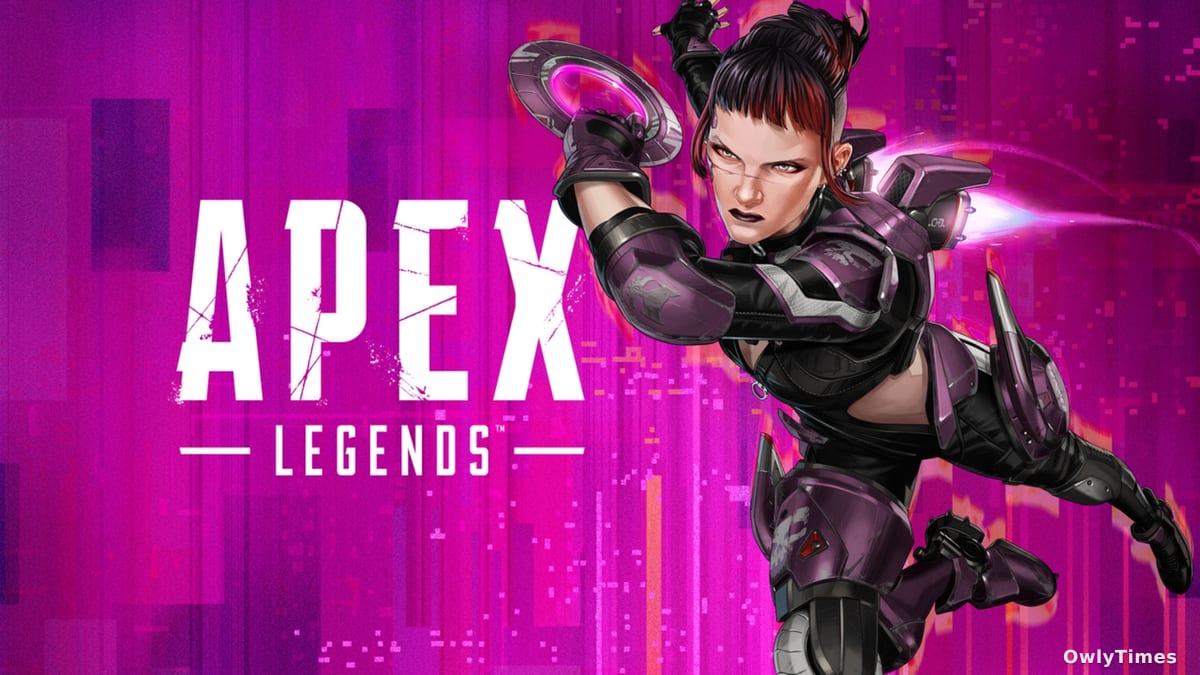
The headline addition, a new Legend named Axle, is the embodiment of this high-tempo design. Built as a hypermobile character, her kit is entirely focused on maintaining momentum. Her tactical ability, Nitro Gate, launches her into high-speed slides, while her Ultimate, Kickstart, deploys an explosive drone to keep enemies off-balance.
The tension here is obvious: Axle is designed to make the game move faster, but she brings a vulnerability with her. Because Nitro Gates can be used by opponents, her kit creates a double-edged sword that rewards mechanical skill over static positioning. When you pair this with existing character updates—like Conduit getting two charges of Radiant Transfer or Vantage receiving improved zoom and responsiveness for her Sniper’s Mark—it is clear the studio is betting on a faster, more volatile version of their core loop.
Monetization Meets Competitive Integrity
Beneath the gameplay changes, the business model remains as aggressive as the new meta. The introduction of the Twin Razors, a Mythic Universal Melee weapon, serves as the season's prestige hook. Available through Overclocked Seasonal Packs, these dual rotating laser blades are a stark reminder that even as the game shifts toward a more competitive, skill-based experience, the cosmetic economy remains the engine driving the developer's 2026 roadmap.
While players might focus on the Reactive RE-45 skin at Tier 60 of the new Battle Pass, the real industry shift is in the commitment to matchmaking, anti-cheat, and stability improvements promised alongside these content drops. The studio is walking a fine line: they need to keep the "whales" happy with Mythic items while convincing the core competitive base that these gameplay changes are about "integrity" rather than just chaos.
Whether these updates actually lead to a more balanced experience or just a faster one will be decided on the servers. The next reading of the match quality and stability metrics will show whether this push for speed actually improves the player experience or simply makes the game’s inherent volatility harder to manage.