
Is Apple about to admit it’s been overcharging you for ‘premium’ features you don’t need? The tech world is buzzing about the March 4th “Special Apple Experience,” predictably vague on details, but the real story here isn’t a flashy new flagship – it’s the potential arrival of the iPhone 17e, a phone that signals a quiet but significant shift in Apple’s strategy. For years, the company has cultivated an image of exclusivity, commanding top dollar for incremental upgrades. Now, they’re flirting with a price point that feels…reasonable. And that’s far more disruptive than any foldable screen.
The Erosion of the “Apple Tax”
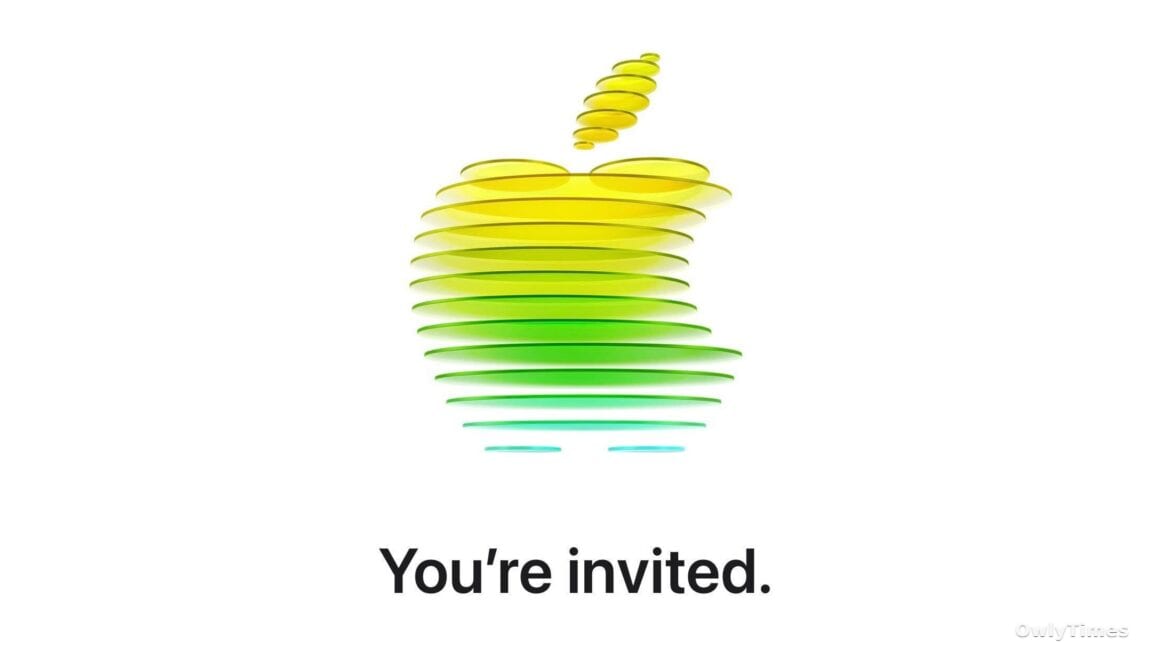
Apple announced the event, kicking off at 9AM ET on March 4th, with its typical air of mystery. Ars Technica will be on the ground in New York City, dutifully reporting on whatever is unveiled. But the speculation isn’t about revolutionary new technology; it’s about a more affordable iPhone. The iPhone 17e, as previously reported, is expected to slot into the lineup with an A19 chip – the same processor powering the standard iPhone 17 – and potentially add MagSafe charging. This isn’t a phone designed to wow with camera arrays or groundbreaking design. It’s designed to undercut the competition on price, and that’s a big deal. Currently, the iPhone 16 and 17 (including the 16e) occupy the $600-800 price bracket.
Why a $599 iPhone Actually Matters
Let’s be clear: another $599 budget iPhone won’t “make waves,” as some analysts are suggesting. It will be the wave. For years, Apple has successfully convinced consumers that its products are worth a premium, often justifying the cost with vague notions of “ecosystem” and “user experience.” But the reality is, many people don’t need the latest and greatest features. They need a reliable phone that can make calls, send texts, and run essential apps. The iPhone 17e, if priced correctly, acknowledges that. It’s a tacit admission that the “Apple Tax” has been pushing prices beyond the reach of a significant portion of the market. Think about it: a new iPhone used to be a status symbol. Now, it’s increasingly seen as a financial burden.
Source material: Ars Technica.
The Mac’s Midlife Crisis and Apple’s New Calculus
This move isn’t happening in a vacuum. Apple is facing increasing pressure from competitors like Samsung and Google, who offer compelling devices at lower price points. Simultaneously, the upgrade cycle is slowing down. People are holding onto their phones longer, and the allure of incremental upgrades is waning. This is particularly true for Mac users. The announcement subtly suggests it might be time to retire that aging MacBook. Apple knows that if they don’t offer more affordable options, consumers will simply switch ecosystems. They’re not necessarily trying to win over Android users en masse; they’re trying to keep existing customers within the Apple fold.
Beyond the Specs: A Shift in Brand Perception
The iPhone 17e isn’t about the A19 chip or MagSafe charging. It’s about recalibrating Apple’s brand perception. For decades, the company has been synonymous with luxury and exclusivity. Now, they’re cautiously dipping their toes into the world of affordability. This is a delicate balancing act. They need to attract price-sensitive consumers without alienating their loyal, high-spending base. The success of the iPhone 17e will hinge on whether they can pull that off. But here’s what I predict: if the iPhone 17e does hit that $599 price point and sells well, Apple will quietly begin to expand its affordable offerings across its entire product line. Watch for a more aggressively priced iPad and, eventually, even a “lite” version of the Apple Watch. The era of unquestioned premium pricing is coming to an end, and Apple is finally starting to notice.