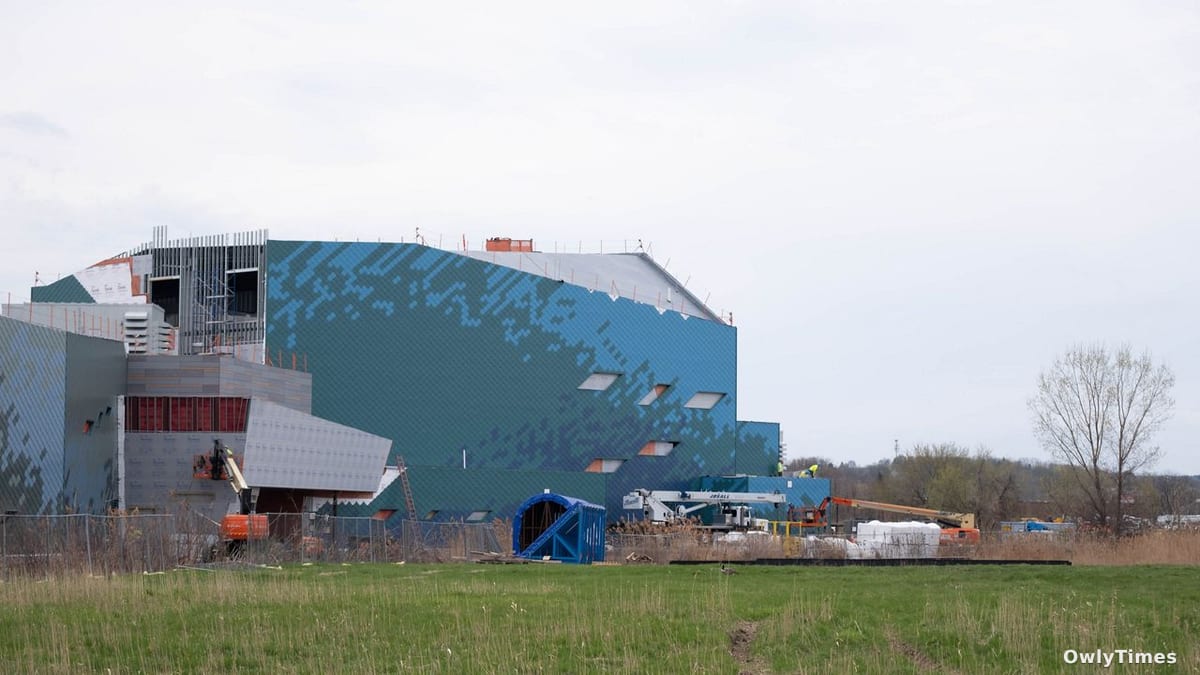

The strategic calculus behind Onondaga County’s push for a $1 million contribution from the Friends of the Rosamond Gifford Zoo reveals a calculated attempt to leverage a long-standing public-private partnership to offset the financial pressures of a major infrastructure project. By targeting a non-profit entity closely tethered to the county’s existing operations, officials sought to treat the organization not merely as a partner, but as a supplementary capital source for the new aquarium currently under construction.
The Cost of Institutional Friction
The fallout from this request has transformed a standard governance relationship into a source of administrative gridlock. While the Friends of the Rosamond Gifford Zoo leadership rejected the demand for $1 million, the refusal triggered a retaliatory cooling of ties. The most tangible evidence of this friction is the Memorandum of Understanding (MOU), which has languished in negotiations for more than a year.
In the arena of local government, an unsigned MOU is rarely just a clerical oversight; it is a signal of shifting power dynamics. By withholding a finalized agreement, the county creates a state of perpetual uncertainty for the nonprofit, effectively holding the organization’s operational framework hostage until alignment with county goals is restored.
Who Benefits and Who Loses
The primary beneficiary of this pressure tactic was, initially, the county’s capital project budget. By attempting to tap the nonprofit’s coffers, the county sought to socialize the financial burden of the aquarium, shifting the weight from the public tax base to private fundraising reserves. Had the donation been successful, the county would have successfully offloaded a portion of its development costs without requiring an increase in public appropriations.
The losers in this scenario are the stakeholders of the zoo itself. When an organization is forced to navigate a hostile relationship with its primary municipal partner, its focus shifts from animal care and public engagement to survival and legal maneuvering. The nonprofit is now operating in a state of suspended animation, as the lack of a finalized MOU leaves their long-term operational mandates vulnerable to the whims of the county’s political cycle.
A Strained Public-Private Dynamic
The county’s current posture—asserting that the aquarium is fully funded and that they are no longer seeking donations—appears to be a tactical retreat following the nonprofit’s public pushback. However, the damage to the relationship is already institutionalized. Much like the tensions seen during the 2008 financial crisis, when municipal governments faced immense pressure to bridge budget gaps through creative, often contentious, financial arrangements with affiliated agencies, the county’s demand represents a high-stakes gamble that prioritizing short-term capital influxes is worth the erosion of institutional trust.
The county’s insistence that the funding issue is resolved does not erase the year of stalled negotiations. The ongoing impasse regarding the MOU serves as a metric of the current volatility between the two sides. The next reading of the status of the MOU will show whether the relationship has reached a true detente or if the county intends to maintain the pressure until the nonprofit concedes to the underlying political objectives.





