
Is the digital ghost of a nearly 40-year-old crime about to be raised?
DNA's Second Act in a Decades-Old Mystery
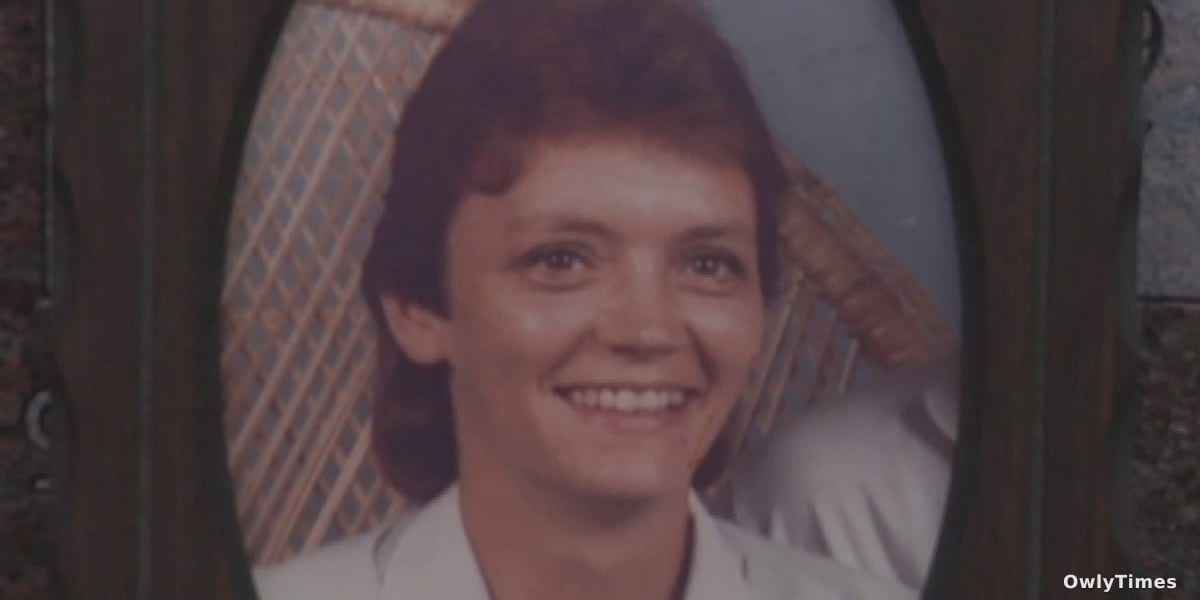
For families clinging to the hope of justice, new technology often feels like a distant mirage. But in the case of Ladonna L. Cooper, a woman whose life was tragically cut short in March 1987, a significant technological leap is finally casting a beam of light onto a decades-old cold case. Williamson County authorities recently exhumed Cooper’s remains, a somber but crucial step in a renewed investigation, fueled by advancements in DNA analysis that were science fiction when she disappeared.
"In the eighties, you can think about DNA as non-existent in criminal investigations," explains Trish Oberweis, a criminal justice studies professor at Southern Illinois University Edwardsville. She points out the stark contrast between then and now, where DNA is no longer just a forensic tool but a potential key to unlocking the past. Cooper, a 32-year-old mother of three, vanished from a restaurant on Coolidge Street in Marion, her body discovered the following day. This decades-long silence is now being challenged by the very science that was in its infancy when her life was extinguished.
From Tabula Rasa to Trace Evidence
The real story here isn't just about a cold case getting a second look – it's about how rapidly evolving forensic science is giving a voice to victims silenced by time. Marion Police Department officials, in a previous interview, indicated that the confluence of technological progress and the family's persistent interest made this the opportune moment to revisit Cooper's case. Oberweis, who specializes in cold cases, cautions that while the technology is powerful, the process can be painstakingly slow. "It really takes a long time to develop a genetic profile," she notes. "Sometimes the first try doesn’t work and you have to try again with a new sample. I have seen cases where the forensic geneticists have had to try more than twice to be able to build a profile." This isn't a quick-draw solution; it's a methodical excavation of genetic clues.
Modern DNA analysis has indeed come lightyears since the late 1980s. New types of forensic analysis, like those employed in the high-profile Golden State Killer case, are now capable of identifying offenders by pinpointing familial relationships through genetic genealogy. "That type of analysis... uses that overlap in the similarity between profiles to help focus an investigation and figure out not who did it, but who might have done it," Oberweis elaborates. This sophisticated technique, known as forensic investigative genetic genealogy, doesn't directly name a suspect but rather creates a pool of potential individuals whose genetic makeup shares similarities, a crucial starting point when traditional leads have long gone cold.
The Enduring Value of Old-School Clues
While the promise of genetic sleuthing is immense, Oberweis emphasizes that DNA is not a magic bullet, especially in cases that have weathered nearly forty years of neglect. "Every homicide case is difficult to prosecute, and a homicide that occurred 40 years ago will have issues with witnesses who are no longer alive, who no longer recall," she states. This means that even as investigators work to develop a robust DNA profile for the offender, supporting evidence such as witness statements, established timelines, and other investigative details remain absolutely critical. Without these foundational pieces of the puzzle, even the most advanced genetic match might be difficult to contextualize and use for a successful prosecution. The digital ghost needs corporeal evidence to truly materialize in a courtroom.
The hope, however, is palpable. Investigators remain optimistic about this renewed effort to provide definitive answers for Cooper’s family, a sentiment echoed by the advancements in forensic genetic genealogy which has brought closure to numerous cold cases. The ultimate success will hinge not only on the precision of the DNA analysis but also on the meticulous piecing together of fragmented historical evidence.
Looking ahead, the next significant development will be the successful development of a viable DNA profile for the offender. This will be the critical first step, potentially followed by investigative genetic genealogy. The real test will be whether the resulting genetic leads can be corroborated with the scant but vital surviving evidence from 1987 to build a prosecutable case.