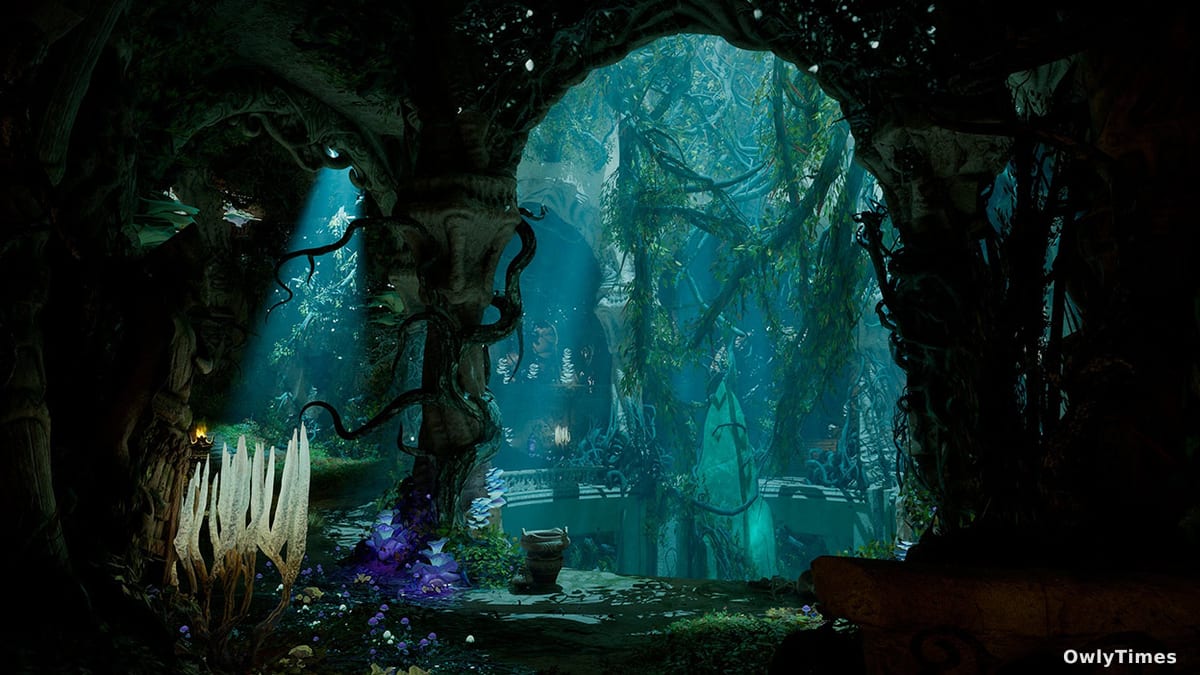

The chipped stone of a forgotten shrine felt cold under my fingers as I re-entered the Living Lands, a year after first charting its treacherous paths in Avowed. It wasn’t a nostalgic return, exactly. It was a reckoning. A year ago, Obsidian Entertainment’s foray into a first-person fantasy RPG, praised by Jerry Williams for its story, combat, and worldbuilding, felt… incomplete. Promising, yes, but lacking the polish and player agency that defines the studio’s best work. Now, with the release of the substantial Anniversary Update alongside the game’s PlayStation 5 debut, it’s clear Obsidian didn’t just patch the cracks – they rebuilt sections of the foundation, guided by a surprisingly direct line to the player base. This isn’t just about fixing bugs or adding content; it’s a case study in how modern RPG development is evolving, becoming a continuous conversation rather than a closed-off creation.
The update is expansive: New Game+, new playable races, expanded customization, the addition of the quarterstaff weapon archetype, and a slew of quality-of-life improvements. But the sheer volume isn’t the story. The real narrative lies in how these changes came to be. Speaking with Gabe Paramo, gameplay director of Avowed, revealed a deliberate strategy – one born from the success of Obsidian’s previous title, Grounded. “Given the success Obsidian had with Grounded – and how that team was able to work hand in hand with the community to improve their game over time – we always knew this would be a two-way conversation with our players,” Paramo explained. This wasn’t a post-launch scramble to address criticism; it was a planned, iterative process. The team meticulously tracked player feedback through community management, assigning “plus ones” to recurring requests, effectively letting the community vote on the game’s evolution.
See the original rpgfan.com story for the full account.
That system surfaced both the headline features – New Game+, an Arachnophobia Mode (a surprisingly thoughtful addition), and Photo Mode – and the granular details that often get lost in the development process. Players wanted to dispel illusions with the Forgotten Soul Pod? Done. They wanted more ability points to spend on their envoy and companions? Granted. This responsiveness isn’t just good PR; it’s a fundamental shift in power dynamics. For years, players have been told to adapt to a developer’s vision. Obsidian, with Avowed, is actively inviting players to shape that vision. The question is, does this collaborative approach ultimately lead to a better game, or a diluted one?
The challenge, as Paramo outlined, lies in maintaining build diversity amidst the influx of new options. Adding abilities and weapon archetypes risks homogenization, where players gravitate towards the most powerful combinations, rendering other choices obsolete. Obsidian’s solution – a deliberate constraint on the complexity of individual abilities – is surprisingly elegant. “The more we constrain ourselves and give an ability or weapon only a few mechanics, or even just one, the more room it creates for those abilities and weapons to complement each other,” Paramo said. It’s a design philosophy rooted in synergy, encouraging experimentation rather than optimization. The quarterstaff, specifically, exemplifies this approach. It wasn’t just a cool weapon idea; it was a direct response to a gap in the existing build options, allowing players to fully embrace the “melee-mage” fantasy that the initial weapon selection didn’t support.
Beyond the mechanics, the update addresses a surprisingly common RPG pain point: character regret. The Magic Mirror, allowing players to alter their appearance mid-playthrough, isn’t about vanity; it’s about acknowledging the evolving relationship players have with their characters. As Paramo put it, “You start the game feeling one way about your character, and then ten or twenty hours in, after you’ve lived with them for a while, you want to tweak something.” This seemingly small addition speaks volumes about Obsidian’s understanding of the RPG experience – it’s not just about conquering challenges, it’s about inhabiting a role and evolving alongside it. The PlayStation 5 launch, facilitated by a partnership with Double 11, also demonstrates a commitment to scalability, ensuring a consistent experience across platforms, including the increasingly popular Steam Deck and ROG Ally.
But the most intriguing aspect of the Anniversary Update isn’t the new content itself, but the underlying philosophy. The combat and economy modifiers, for example, aren’t simply accessibility tools; they’re a suite of player-driven customization options, allowing players to tailor the experience to their preferences, whether it’s easing difficulty, cranking up the challenge, or adding role-play flavor. New Game+ isn’t just a rehash of the same content; enemies now possess dynamic modifiers, forcing players to rethink their strategies and adapt to unfamiliar challenges. And the cumulative effect of countless bug fixes and quality-of-life improvements is a game that simply feels better, more polished, and more responsive.
Obsidian isn’t just releasing an update; they’re releasing a statement. They’re saying that RPGs aren’t static products, but living worlds that evolve alongside their communities. The question now is whether this model – continuous iteration, direct player feedback, and a commitment to long-term support – will become the new standard for the industry. Will other developers embrace this level of transparency and collaboration, or will they cling to the traditional, more controlled approach? The success of Avowed’s Anniversary Update suggests the future of RPGs may well be a collaborative one, and that’s a prospect worth exploring.

