
The stark reality of limited access to mental healthcare in rural America isn’t typically illuminated by highway tragedies, but the September 14, 2025, collision on State Route 260 in Navajo County, Arizona, demands we connect these dots. The deaths of Brenna Kulikowski and Damon Thompson, Timber Mesa Fire and Medical District paramedics, weren’t simply the result of a driver crossing a center line; they were a consequence of systemic failures in identifying and treating acute mental health crises, failures that left a vulnerable woman, Angela Bouck, without the support she desperately needed and placed everyone on that dark stretch of highway in mortal danger. While initial reports focused on the immediate cause of the crash – Bouck’s vehicle entering the opposite lane – a deeper examination reveals a pattern of escalating erratic behavior, missed opportunities for intervention, and a healthcare system demonstrably unable to meet the needs of its population.
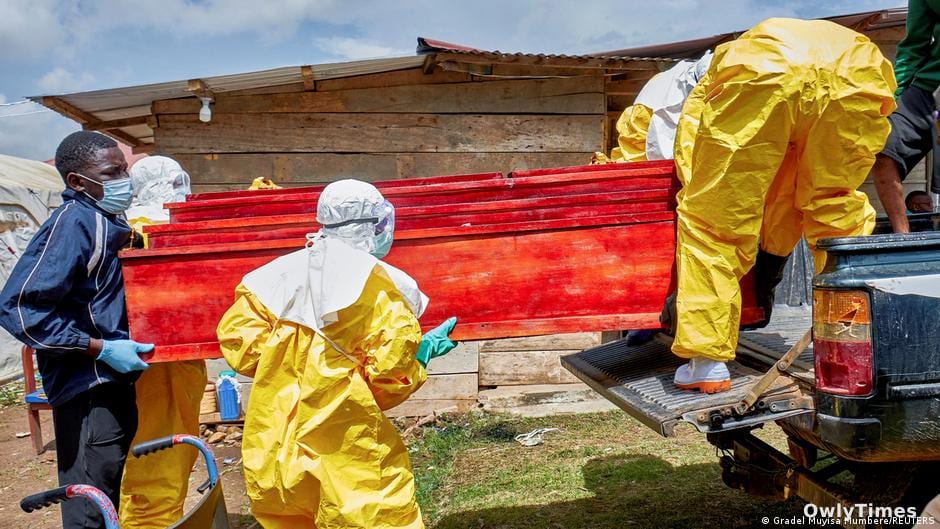
The scene itself, as described by Timber Mesa Fire Chief Randy Chevalier, was devastating. Arriving to find both vehicles engulfed in flames, Chevalier recounts a visceral impact that will “be there forever.” The loss of Kulikowski and Thompson, both described as highly skilled and compassionate first responders, is a profound blow to the community. Thompson was new to the district, completing his first year, while Kulikowski, a recent bride and mother to a 10-year-old, was remembered for a simple act of kindness – purchasing a stuffed owl for an autistic child during a medical transport. But focusing solely on the grief obscures the preventable nature of this tragedy. The immediate aftermath revealed Bouck, 46, also perished in the collision, and a subsequent investigation uncovered a disturbing history.
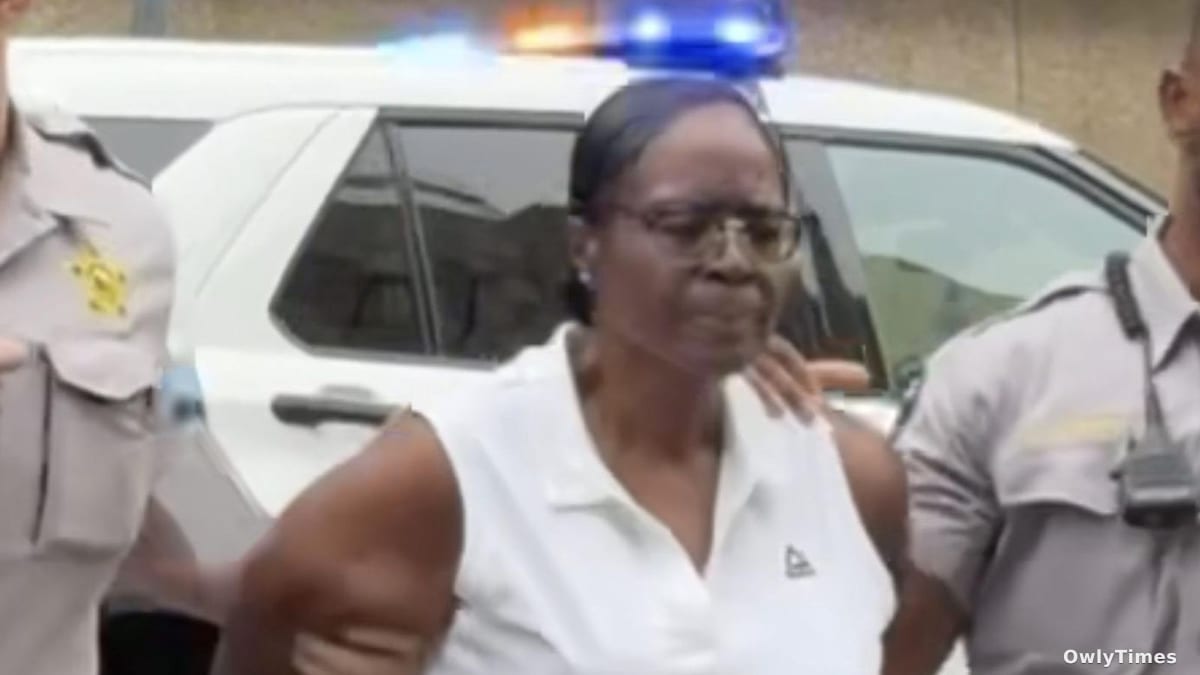
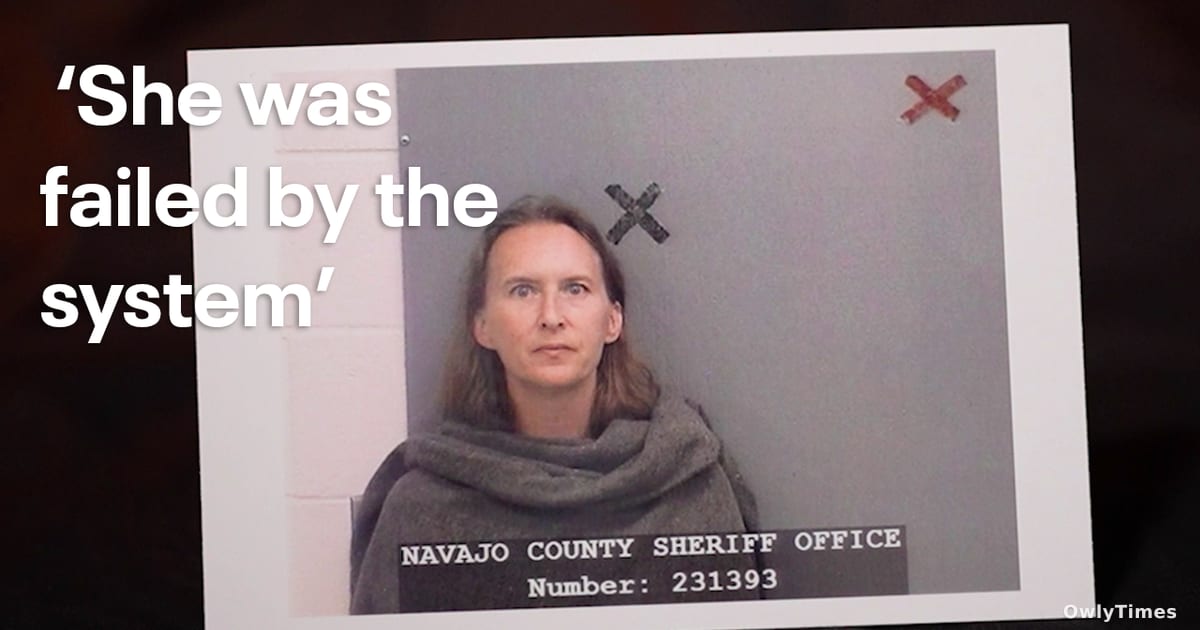
Just seven months prior to the fatal crash, on February 25, 2025, Jennifer Day experienced a terrifying encounter with Bouck. Day recounted to 911 dispatchers being aggressively tailgated and harassed, culminating in Bouck physically attacking her vehicle. A Show Low police officer witnessed Bouck karate-kick the back of Day’s station wagon, immediately arresting her. The officer, Bernard Huser, noted in his report that Bouck “appears to have some developmental disorder” but had been “friendly and happy” in previous interactions. This initial encounter, however, wasn’t isolated. Huser had interacted with Bouck three times in 36 hours, suggesting a rapidly deteriorating mental state. The body camera footage from the arrest shows a chaotic scene, with officers struggling to contain Bouck’s increasingly erratic behavior, punctuated by shouts of “Jesus!” and disjointed demands. This wasn’t simply disorderly conduct; it was a cry for help that went largely unanswered.
Drawn from fox10phoenix.com.
The legal proceedings following Day’s encounter further highlight the systemic shortcomings. Bouck was initially scheduled for arraignment on misdemeanor charges, but her appearance was by phone due to her admission to ChangePoint Integrated Health, a behavioral health provider. Concerns about her competency were raised, but a crucial legal step – a “Rule 11” evaluation, which would have triggered a comprehensive mental health assessment by two experts – was never initiated by her public defender. This failure to formally assess her mental state allowed the case to languish, moving from court appearances to mental health facilities and back again, without a definitive determination of her ability to understand the proceedings or assist in her defense. Navajo County Attorney Brad Carlyon acknowledges the bleak mental health landscape in the region, citing a severe shortage of qualified behavioral health providers and a system that allows underqualified individuals to provide services simply because there aren’t enough qualified professionals. Matthew Martin, an associate professor of behavioral health at Arizona State University, confirms this, stating that Arizona currently meets only about 10% of its mental health needs.
The broader context reveals a growing awareness of this crisis. In November 2025, U.S. Rep. Juan Ciscomani led a bipartisan effort, garnering support from Democratic colleagues including Sens. Mark Kelly and Ruben Gallego, to request $200 million annually for five years to address rural healthcare access in Arizona. While CMS eventually allocated $50 billion nationally, Arizona received only $167 million – the sixth-lowest allocation in the country. This funding disparity underscores the challenges faced by rural communities in securing the resources necessary to address critical healthcare needs. The tragedy on State Route 260 isn’t an indictment of individuals, but a stark illustration of a system failing to protect both those struggling with mental illness and the broader community.
The question now isn’t simply how to prevent similar crashes, but how to proactively address the underlying mental health crisis that contributed to this one. Will the increased federal funding be sufficient to bridge the gap in Arizona’s rural healthcare access? More importantly, will the state prioritize the implementation of Rule 11 evaluations and ensure that individuals exhibiting clear signs of mental distress receive timely and comprehensive assessments, even when facing misdemeanor charges? The memory of Brenna Kulikowski and Damon Thompson demands nothing less. We must watch for concrete improvements in access to mental healthcare in rural Arizona, and specifically, track whether the allocated funds translate into a measurable increase in qualified mental health professionals and a more consistent application of competency evaluations in the legal system.