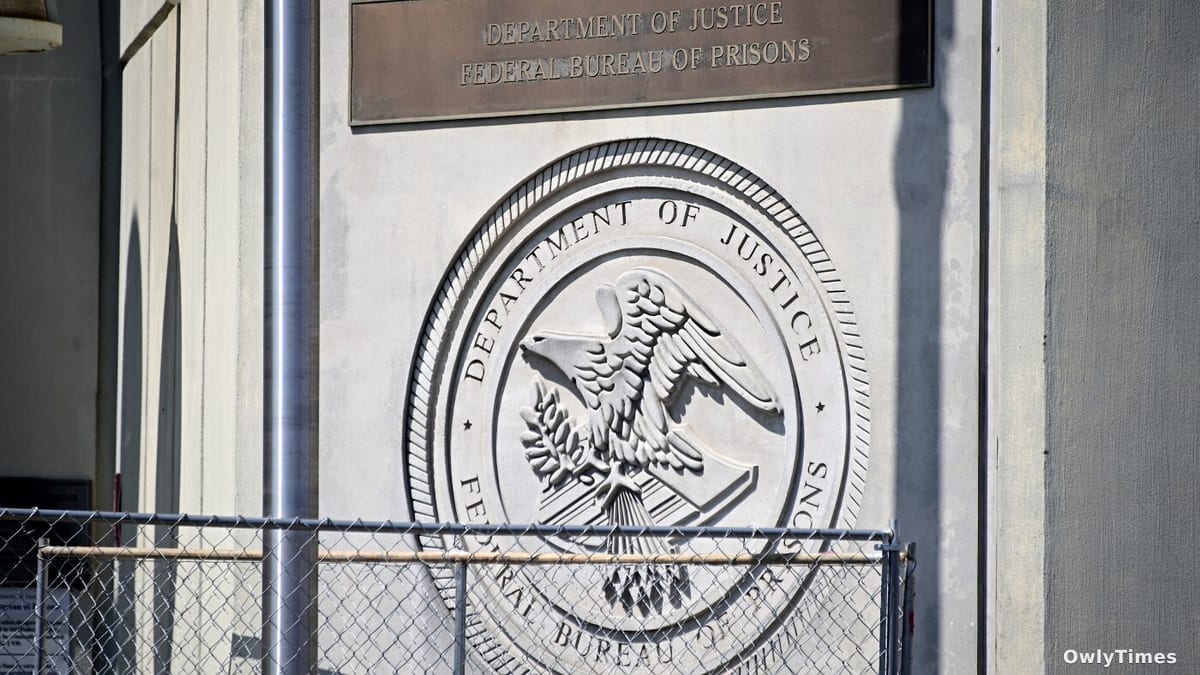

The Unseen Cost of Prison Staffing Shortages: Eroding Mental Healthcare Access
The current crisis in federal prison staffing isn’t simply about security risks or operational inefficiencies; it’s fundamentally reshaping the delivery of mental healthcare to a population with demonstrably high need. While headlines focus on correctional officer vacancies, a quieter, yet equally damaging, consequence is emerging: the systematic displacement of mental health professionals from their core roles. Reporting from The Marshall Project reveals a pattern where psychologists and other crucial mental health staff are being asked – and in some cases, compelled – to fill the gaps left by departing guards, effectively dismantling the specialized care systems within prisons. This isn’t a case of simply reallocating resources; it’s a fundamental shift in priorities that threatens to exacerbate an already critical situation.
Original reporting: NPR.
The core of the problem lies in the escalating staffing shortages across the Federal Bureau of Prisons (BOP). As experienced correctional officers leave their positions – driven by factors ranging from low pay to stressful working conditions – prisons are forced to rely on existing staff to cover the gaps. This creates a cascading effect. When mental health professionals are diverted to guard duty, they are, by definition, not providing therapy, conducting assessments, or managing medication. The Marshall Project’s reporting details instances where psychologists are spending significant portions of their time monitoring cell blocks, conducting searches, and responding to security incidents – tasks for which they are neither trained nor ethically suited. This isn’t a temporary fix; it’s a systemic pressure that’s driving qualified professionals to seek employment elsewhere, further compounding the problem.
What’s crucial to understand is the distinction between a temporary emergency response and a sustained operational model. Many prisons already have emergency protocols in place where all staff, including mental health personnel, may be asked to assist with security in a crisis. However, the current situation, as described by The Marshall Project, isn’t episodic. It’s becoming normalized. The BOP currently employs approximately 36,000 correctional officers, but vacancies are widespread, and the rate of attrition is outpacing recruitment. This sustained pressure means mental health staff are consistently pulled from their designated roles, creating a de facto restructuring of prison operations. The consequence isn’t just a reduction in available mental health services; it’s a degradation of the quality of care, as professionals lose continuity with patients and are unable to provide the focused attention required for effective treatment.
The Ethical Tightrope for Mental Health Professionals
The situation presents a significant ethical dilemma for mental health professionals working within the BOP. The American Psychological Association (APA) emphasizes the importance of maintaining professional boundaries and providing competent care. Being asked to perform duties outside of one’s scope of practice – such as wielding a baton or conducting cell searches – not only compromises those boundaries but also creates a potentially adversarial relationship with the incarcerated population. A psychologist tasked with security duties is no longer perceived as a neutral provider of care, but as an agent of control. This erosion of trust can severely hinder the therapeutic process and potentially lead to increased tension and conflict within the prison environment. It’s a situation that forces professionals to choose between following orders and upholding their ethical obligations, a choice that many are resolving by leaving the system altogether.
Limitations to Consider: Data and Scope
While The Marshall Project’s reporting provides compelling anecdotal evidence, it’s important to acknowledge the limitations of the available data. The investigation relies heavily on interviews with current and former prison staff, which, while valuable, may not be fully representative of the experiences across all federal prisons. Quantifying the precise extent to which mental health services have been curtailed is challenging, as the BOP does not consistently track the amount of time mental health professionals spend on non-clinical duties. Furthermore, the reporting focuses specifically on federal prisons; the situation in state and local correctional facilities may vary. It’s also important to note that the BOP has not publicly addressed the specific allegations raised by The Marshall Project, making independent verification difficult.
What Happens When Care Disappears?
The long-term implications of this trend are deeply concerning. Individuals incarcerated with mental health conditions are already a vulnerable population, and the removal of consistent, specialized care can lead to a deterioration of their mental state, increased rates of self-harm, and heightened risk of violence. The BOP’s own data shows that a significant percentage of the incarcerated population has a diagnosed mental health condition – approximately 37% in 2021, according to a Bureau of Justice Statistics report. Reducing access to care for this population isn’t just a matter of ethical concern; it’s a public safety issue. As individuals are released back into society without adequate support, the potential for recidivism and community instability increases.
The next critical step is for the BOP to conduct a comprehensive assessment of the impact of staffing shortages on mental health service delivery. This assessment must include detailed data on the allocation of mental health professionals’ time, the number of patients seen, and the types of services provided. More importantly, it requires a transparent commitment to prioritizing mental healthcare as a core function of the prison system, not a discretionary service to be sacrificed during times of crisis. We should be watching for concrete policy changes – increased recruitment and retention incentives for both correctional officers and mental health professionals, as well as a clear delineation of roles and responsibilities that protects the integrity of mental healthcare services. The question isn’t simply whether the BOP can fill its vacant positions, but whether it’s willing to fundamentally re-evaluate its priorities and invest in the mental wellbeing of the individuals in its care.
This episode of Consider This was produced by Jason Fuller and Karen Zamora, with audio engineering by Ted Mebane. It was edited by Jeanette Woods and Courtney Dorning. Our executive producer is Sami Yenigun. For sponsor-free episodes of Consider This, sign up for Consider This+ via Apple Podcasts or at plus.npr.org. Email us at [email protected].





