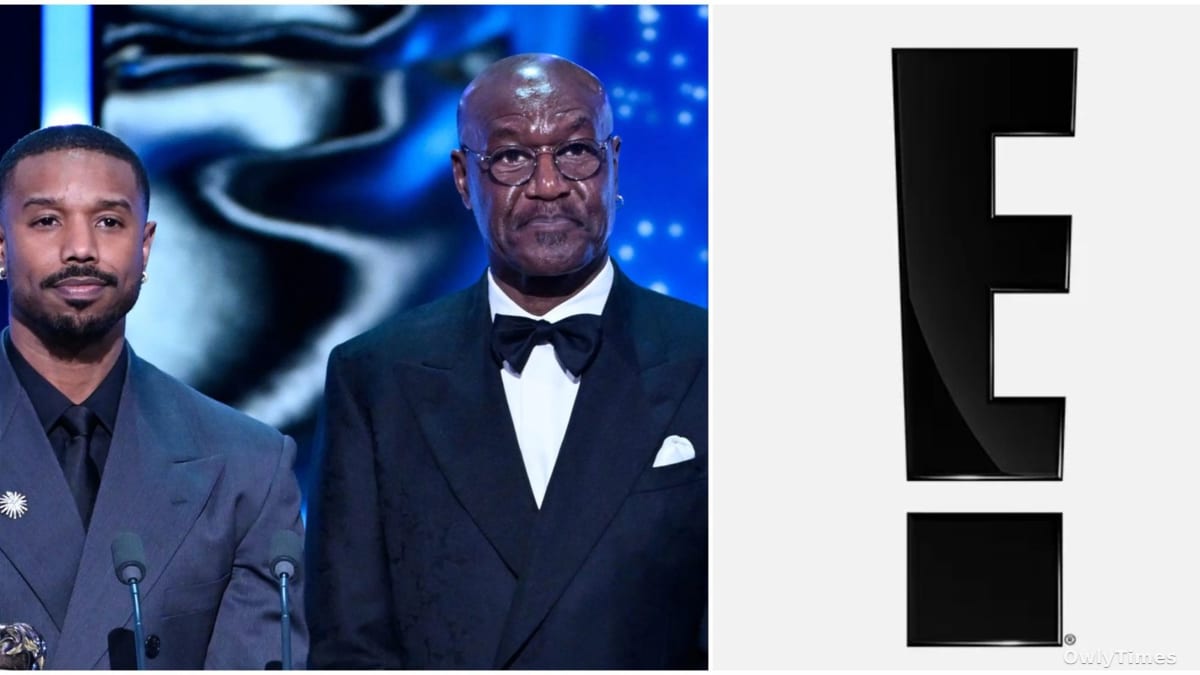

The gilded hall of the Royal Albert Hall fell silent, not for a moment of respectful tribute, but for a raw, involuntary outburst. During the 2026 BAFTA Awards, as Michael B. Jordan and Delroy Lindo stood on stage to present the award for Best Visual Effects, a voice cut through the carefully orchestrated glamour – the voice of John Davidson, a Tourette syndrome campaigner, yelling a racial slur. The moment, unedited in the E! Entertainment re-airing, wasn’t a planned disruption; it was a stark collision of entertainment spectacle and neurological reality, and it’s forcing a reckoning with how we navigate disability, live broadcasting, and the boundaries of acceptable speech. This isn’t simply about a single outburst; it’s about a cultural discomfort with involuntary actions, and the speed at which empathy lags behind viral outrage.
The Unfolding Controversy: A Delayed Reaction?
The incident quickly ignited a firestorm on social media, with many questioning why the slur wasn’t removed during the initial broadcast or the subsequent re-airing by E! Entertainment. The BBC, which initially broadcast the awards, faced immediate scrutiny, particularly given that the ceremony began two hours before the televised broadcast – ample time, critics argued, to edit the moment. As Ray Flook of Bleeding Cool pointed out, the question isn’t if it could have been edited, but why it wasn’t. The explanation offered by awards ceremony host Alan Cumming – that Davidson’s tics are involuntary manifestations of Tourette’s Syndrome and that “the person who has Tourette’s Syndrome has no control over their language” – felt insufficient to many, a statement of fact delivered after the harm was done, and seemingly without proactive measures taken to prevent the broadcast. Cumming’s subsequent apology, while acknowledging potential offense, felt reactive rather than preventative. The delay in addressing the issue, and the decision to air the unedited moment again, suggests a prioritization of “authenticity” over sensitivity, a choice that’s now under intense public debate.
Beyond the Headlines: The Weight of Involuntary Speech
What makes this incident particularly fraught is the context surrounding John Davidson. He isn’t a heckler or a provocateur; he’s an advocate whose life is defined by a condition that strips him of control over his own speech. He’s also the subject of the BAFTA-winning film I Swear, portrayed by Robert Aramayo, which brings visibility to the daily realities of living with Tourette’s. The film’s success, and Davidson’s presence at the awards, were intended to foster understanding and empathy. Instead, the incident has become a lightning rod for discomfort, forcing a conversation about the limits of tolerance when involuntary actions clash with societal norms. The outrage, while understandable given the power of the slur, risks pathologizing Davidson himself, turning him into the problem rather than recognizing the neurological basis of his tics. This highlights a broader societal tendency to demand control and accountability even in situations where control is fundamentally absent.
Based on the original bleedingcool.com report.
The Broadcast Dilemma: Live TV and the Editing Room
The incident also throws into sharp relief the challenges of live broadcasting in the age of instant dissemination. The BBC’s decision not to edit the initial broadcast, and E!’s subsequent choice to re-air the unedited moment, speaks to a reluctance to interfere with “reality,” even when that reality is deeply problematic. The argument for authenticity rings hollow when weighed against the potential harm caused by broadcasting a racial slur to a global audience. The speed at which information travels – winners were being reported on social media before the televised broadcast, as the BBC itself acknowledged – further complicates the issue. This creates a pressure to prioritize speed over careful consideration, potentially leading to ethically questionable decisions. The fact that the edit, if attempted, was so subtle as to be ineffective – “edited/bleeped in such a way that it left little to the imagination,” as Flook noted – suggests a half-hearted effort, a desire to appear responsive without actually taking meaningful action.
A Turning Point for Representation and Responsibility?
The BAFTA incident isn’t just a story about a single awards show; it’s a microcosm of the broader challenges facing the entertainment industry as it grapples with issues of representation, disability, and social responsibility. The industry has made strides in recent years to increase diversity and inclusion, but this incident reveals a gap between performative allyship and genuine understanding. Will this moment lead to more robust protocols for handling potentially disruptive situations in live broadcasts? Will it prompt a deeper conversation about the ethical obligations of broadcasters when dealing with individuals with disabilities? More importantly, will it foster a greater willingness to extend empathy and understanding to those whose experiences fall outside the realm of the “normal”? The industry, and the culture at large, must now confront the uncomfortable truth that simply acknowledging a disability isn’t enough; it requires proactive measures to create truly inclusive and respectful spaces, both on and off screen. The question now isn’t just what happened at the BAFTAs, but what concrete steps will be taken to ensure that something similar doesn’t happen again, and that individuals like John Davidson are treated with the dignity and respect they deserve.