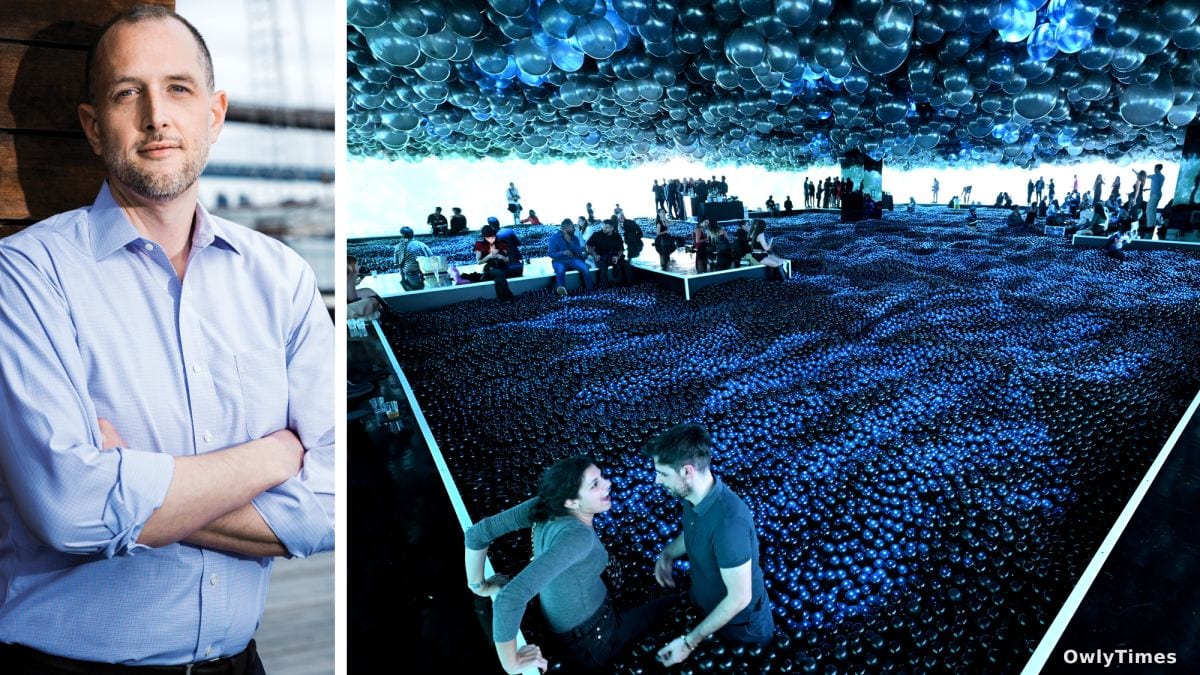

The scent of garlic and saffron, once clinging to the air around 96 South Street, is fading. In its place, a different kind of inflation is taking hold. Not of prices, though Lower Manhattan retail certainly feels that pinch, but of art – specifically, inflatable art. The Tin Building, formerly home to a high-end food hall curated by Jean-Georges Vongerichten, is undergoing a transformation, poised to become the U.S. flagship location for the Balloon Museum, a concept born in Rome in 2021. This isn’t just a quirky addition to the Seaport District; it’s a bellwether for how experiential entertainment is reshaping the retail landscape, and a gamble on whether pure whimsy can thrive in a city demanding cultural gravitas.
A Shift in Air: Retail’s Search for “Experiences”
The closure of Vongerichten’s food hall, a venture that clearly didn’t achieve the desired lift-off, underscores a growing tension in New York City’s retail sector. While the average asking rent for retail space in Lower Manhattan hovered around $228 per square foot in the fourth quarter of 2025, according to CBRE data, simply offering goods isn’t enough anymore. Consumers, particularly post-pandemic, are craving experiences. They want Instagrammable moments, immersive environments, and something to talk about beyond the price tag. Seaport Entertainment Group (SEG), the property owner, clearly believes the Balloon Museum delivers on that front, securing a five-year, 54,000-square-foot lease for the space. Matt Partridge, CEO of SEG, calls it a “true global phenomenon,” and the direct negotiation of the lease – bypassing traditional leasing brokers like those at CBRE – suggests a strategic alignment and a shared vision for the space.
Drawn from commercialobserver.com.
Beyond the Headlines: The Rise of Immersive Art
The Balloon Museum isn’t an isolated incident. Across the country, we’re seeing a surge in immersive art experiences – from the popularity of Meow Wolf to the proliferation of pop-up installations. This trend speaks to a broader cultural shift, a desire for escapism and a rejection of traditional art world gatekeeping. The art world, historically defined by exclusivity and intellectualism, is being challenged by a more democratic, accessible form of expression. Inflatable art, with its inherent playfulness and visual impact, embodies this shift. It’s art that doesn’t require prior knowledge or a refined palate; it simply asks you to engage, to play, to feel something. Roberto Fantauzzi, CEO and founder of Lux Entertainment, the museum’s creator, emphasizes the “cultural responsibility” of bringing this concept to New York City, hinting at a curated experience featuring new works by internationally renowned artists – a clear attempt to elevate the museum beyond a simple novelty.
The Italian Import and the New York Challenge
The origins of the Balloon Museum in Rome are significant. Italy, with its rich artistic heritage and embrace of spectacle, provides a fertile ground for this kind of playful innovation. But translating that success to New York City presents a unique challenge. New Yorkers are discerning, skeptical, and notoriously difficult to impress. The city is saturated with cultural offerings, and the competition for attention is fierce. The museum’s success will hinge on its ability to deliver a genuinely compelling experience, one that transcends the initial novelty and offers something intellectually stimulating or emotionally resonant. The fact that the transaction was originated by Michael Ginsberg and Jonah Larrama of OMG Variety LLC, a firm that remained unavailable for comment, suggests a deliberate effort to position the museum within the city’s entertainment ecosystem.
What’s Next for Experiential Spaces?
The Balloon Museum’s arrival isn’t just about balloons; it’s about the future of retail and entertainment. Will this inflatable art space become a permanent fixture in the Seaport District, drawing crowds and revitalizing the area? Or will it prove to be a fleeting trend, another example of experiential hype that fails to deliver lasting value? The key will be adaptation. Can the museum evolve its offerings, consistently introduce new and engaging exhibits, and cultivate a loyal following? More broadly, we should watch whether other landlords begin prioritizing experiential tenants over traditional retailers, and whether this shift leads to a more vibrant and engaging urban landscape – or simply a proliferation of expensive, fleeting distractions. The air is filled with possibilities, but whether they’ll actually take flight remains to be seen.