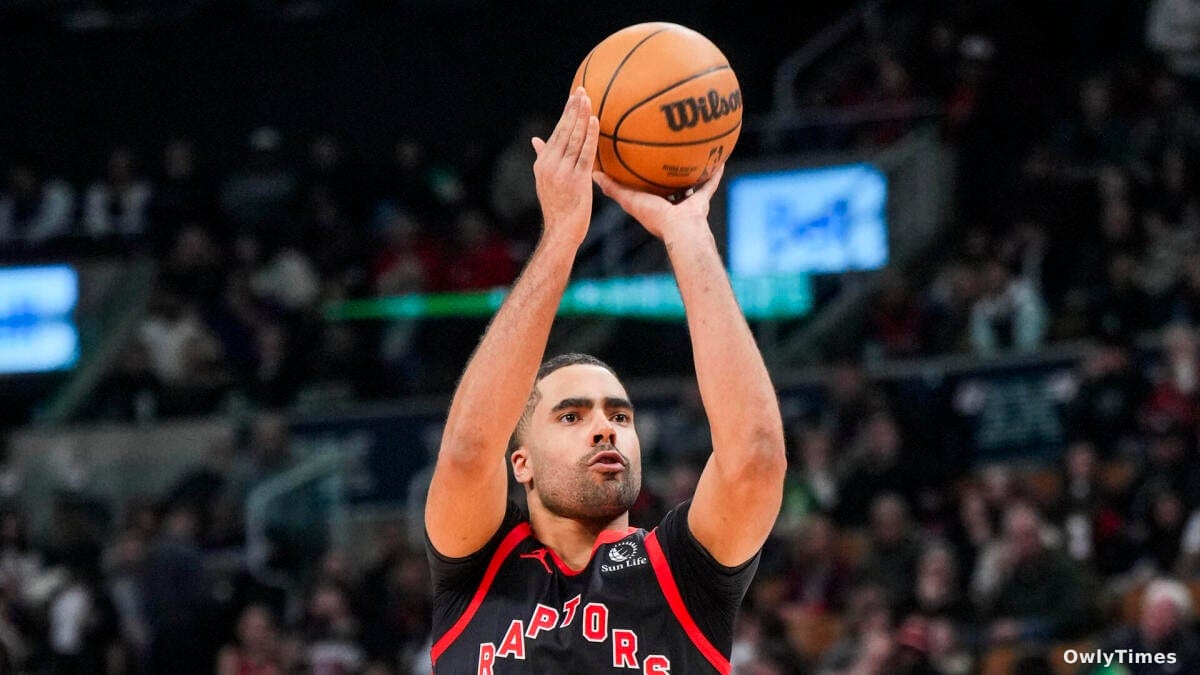

The chipped paint of the Seattle SuperHawks’ practice facility barely registers on the local news, but the name attached to their 2026 roster is sending ripples through the basketball world – and beyond. Jontay Porter, banned for life from the NBA less than two years ago for a gambling scandal that reached the FBI, has found a landing spot in the newly resurrected United States Basketball League. It’s a move that feels less like a comeback story and more like a collision of ambitions, raising a fundamental question about what “fair competition” truly means in an era saturated with sports betting. This isn’t just about one player; it’s about the uneasy truce between a multi-billion dollar league and the increasingly powerful forces shaping its outcomes.
The Weight of $1.1 Million and a Premature Exit
The details of Porter’s downfall are stark. In March 2024, an $80,000 wager stood to win $1.1 million based on the under on his player props – specifically, his points, rebounds, and assists. He left a game against the Milwaukee Bucks after just two minutes, citing illness. The bet was flagged, frozen, and ultimately never paid out, but the damage was done. The NBA investigation revealed Porter had disclosed information about his health status to a bettor before the game, a direct violation of league rules. This wasn’t a case of a player making a bad shot; it was a calculated manipulation of the system, fueled by inside information. Further investigation showed he’d placed at least 13 bets on NBA games himself, wagering over $54,000 and netting a profit of nearly $22,000 – a relatively small sum, but a damning admission of participation. The league, which employs data scientists specifically to monitor betting anomalies, acted swiftly, issuing a lifetime ban. Compared to the average NBA player salary of over $10 million per year in 2024, Porter’s winnings are a pittance, but the principle at stake is enormous.
This article draws on reporting from CBS Sports.
A League Built on Trust, Now Facing a Test
The USBL, aiming to recapture some of the magic of its 1985-2008 run – a run that launched the careers of players like Manute Bol and Spud Webb – is positioning itself as a haven for “skill, preparation, and effort.” Their stated values, prominently displayed on their website, emphasize “fair competition” and the integrity of the game. “The games we play must be decided on the court,” they proclaim. This makes the signing of Porter particularly jarring. While the USBL isn’t bound by the same rules as the NBA, the optics are undeniably problematic. The league is attempting a rebirth in a landscape utterly transformed by legalized sports betting, a landscape where the very foundations of trust are constantly being tested. The USBL’s 2026 season opening on March 6 will be a crucial test of whether fans will embrace a league willing to offer a second chance to a player so deeply implicated in a betting scandal.
Beyond the Headlines: Coercion and a Wider Web
The story doesn’t end with Porter’s actions. The FBI investigation revealed a more sinister layer: alleged threats against Porter from individuals involved in the illegal betting scheme. He wasn’t simply a willing participant; he was, according to reports, pressured to remain involved. This detail shifts the narrative from a simple case of a player breaking the rules to a potential case of coercion and criminal activity. The fact that two defendants in the federal case allegedly threatened Porter suggests a network far larger and more dangerous than initially understood. This isn’t just about a few bad bets; it’s about the potential for organized crime to infiltrate professional sports, and the vulnerability of players caught in the crosshairs. The NBA’s swift action, while necessary, may have inadvertently shielded itself from a deeper, more uncomfortable truth.
The Future of Integrity in a Betting World
The Jontay Porter case isn’t an isolated incident. It’s a symptom of a larger cultural shift, where the lines between entertainment, gambling, and athletic performance are becoming increasingly blurred. The NBA, despite its robust monitoring systems, is constantly playing catch-up to the evolving tactics of bettors and the sophistication of the illegal market. The USBL’s decision to sign Porter is a gamble of its own – a bet that it can attract attention and rebuild its brand by embracing a controversial figure. But it also risks undermining the very principles it claims to uphold. The question now isn’t just whether Porter can resurrect his career, but whether the USBL can maintain its integrity while offering him a platform. Will fans tune in to see a player seeking redemption, or will they see a league willing to compromise its values for the sake of publicity? And, more broadly, what message does this send to young athletes about the risks – and potential rewards – of navigating the complex world of sports betting?

