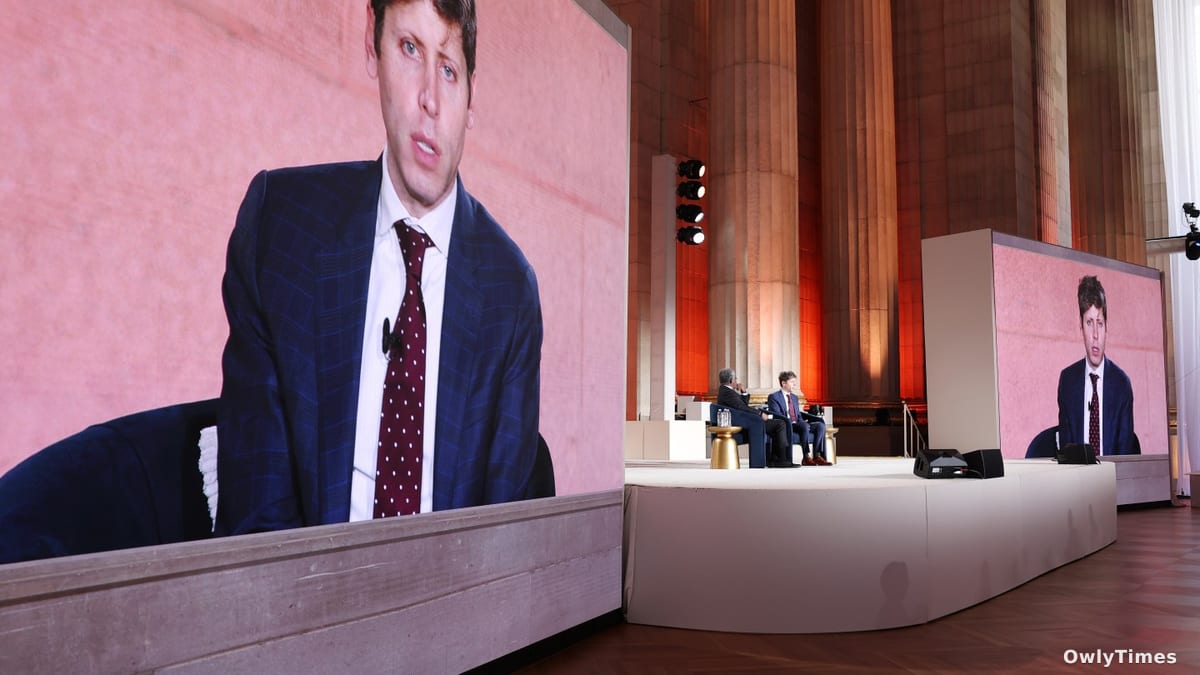

The chipped Formica table at Philz Coffee in Palo Alto was practically vibrating last week, not from the espresso, but from the sheer volume of hushed, urgent conversations. Every venture capitalist, angel investor, and tech journalist seemed to be dissecting the same news: OpenAI had quietly acquired The Best Podcast in News (TBPN), the scrappy, Gen Z-fueled streaming show that’s become Silicon Valley’s water cooler. It wasn’t the acquisition itself that had everyone buzzing – it was the why. OpenAI, the company simultaneously promising to reshape the world with artificial intelligence and grappling with public anxieties about its potential, just bought a media outlet. And not just any media outlet, but one known for its unfiltered, often critical, take on the very industry it now owns. This isn’t a power play for content; it’s a desperate attempt to control the narrative, and a sign of how profoundly the rules of tech communication are shifting.
From Sora Shutdown to Studio Takeover: A Week of Contradictions
The timing is, to put it mildly, awkward. Just seven days before announcing the TBPN acquisition, OpenAI shuttered Sora, its much-hyped text-to-video AI generator, citing safety concerns and the need for further development. The move, while presented as responsible innovation, felt like a strategic retreat in the face of mounting ethical questions and public skepticism. Now, instead of creating the future of video, OpenAI is buying a piece of the present, a platform already shaping perceptions of its work. The company is effectively pivoting from building the tools to define reality to attempting to curate the conversation about those tools. This isn’t a natural progression for a company focused on technological advancement; it’s a tacit admission that technology alone isn’t enough. You need to own the story.
Based on the original The Hollywood Reporter report.
The financial details of the deal haven’t been disclosed, but the value isn’t necessarily in TBPN’s viewership numbers – though impressive, averaging around 10,000 concurrent viewers during their multi-hour daily streams is modest compared to mainstream media. The real asset is Jordi Hays and John Coogan, TBPN’s founders and hosts, and their unique access to the tech elite. They’ve cultivated a remarkably candid rapport with founders, CEOs, and engineers, extracting insights and opinions rarely shared with traditional media. This isn’t the polished, PR-approved access of a Forbes cover story; it’s the raw, off-the-record conversations that happen after the cameras stop rolling. Fidji Simo, OpenAI’s CEO of applications, explicitly stated that Hays and Coogan will be integrated into OpenAI’s communications and marketing teams, reporting to strategy executive Chris Lehane. The message is clear: OpenAI wants TBPN’s credibility, and more importantly, its connections.
The Gen Z CNBC and the Crisis of Tech Trust
TBPN’s rise is a symptom of a larger cultural shift. Traditional business media, once the gatekeepers of Silicon Valley narratives, have lost their grip on the Gen Z audience. This demographic doesn’t trust the established order, and they’re far more likely to get their information from independent creators on platforms like YouTube and X than from the Wall Street Journal. TBPN tapped into this void, offering a fast-paced, conversational, and often irreverent take on the tech world. They weren’t afraid to call out hype, question valuations, or challenge the prevailing wisdom. Their appeal isn’t just to tech insiders; it’s to a generation that’s growing up alongside AI and grappling with its implications.
But can TBPN maintain its edge now that it’s owned by one of the very companies it used to scrutinize? Fidji Simo insists that TBPN will retain “editorial independence,” a claim that’s met with understandable skepticism. The history of media acquisitions is littered with promises of autonomy that quickly erode under corporate pressure. The real test will be whether TBPN continues to hold OpenAI accountable, or whether it becomes a carefully curated echo chamber. Hays himself acknowledged the past criticisms, stating that their decision to join OpenAI stemmed from the company’s “openness to feedback and commitment to getting this right.” That’s a carefully worded statement, and it remains to be seen whether that commitment will survive the realities of corporate ownership.
Beyond the Headlines: A New Era of Tech PR
This acquisition signals a fundamental shift in how tech companies approach public relations. The old playbook of press releases, carefully crafted interviews, and strategic leaks is no longer sufficient. OpenAI recognizes that it needs to engage in a more authentic, ongoing conversation with the public, and that requires partnering with voices that already have their trust. But this isn’t just about OpenAI; it’s about the entire industry. As AI becomes increasingly integrated into our lives, the demand for transparency and accountability will only grow. Companies that fail to address these concerns risk losing the public’s trust, and ultimately, their license to operate.
The question now is whether other tech giants will follow OpenAI’s lead and start acquiring or partnering with independent media outlets. Will we see Meta buying a popular TikTok account, or Google investing in a critical tech blog? And more importantly, what will happen to the independent voices that refuse to be bought? The future of tech journalism, and the public’s understanding of AI, may depend on it. Will the promise of editorial independence hold, or will TBPN become another cautionary tale of media consolidation and compromised integrity? That’s the story we’ll all be watching closely.





