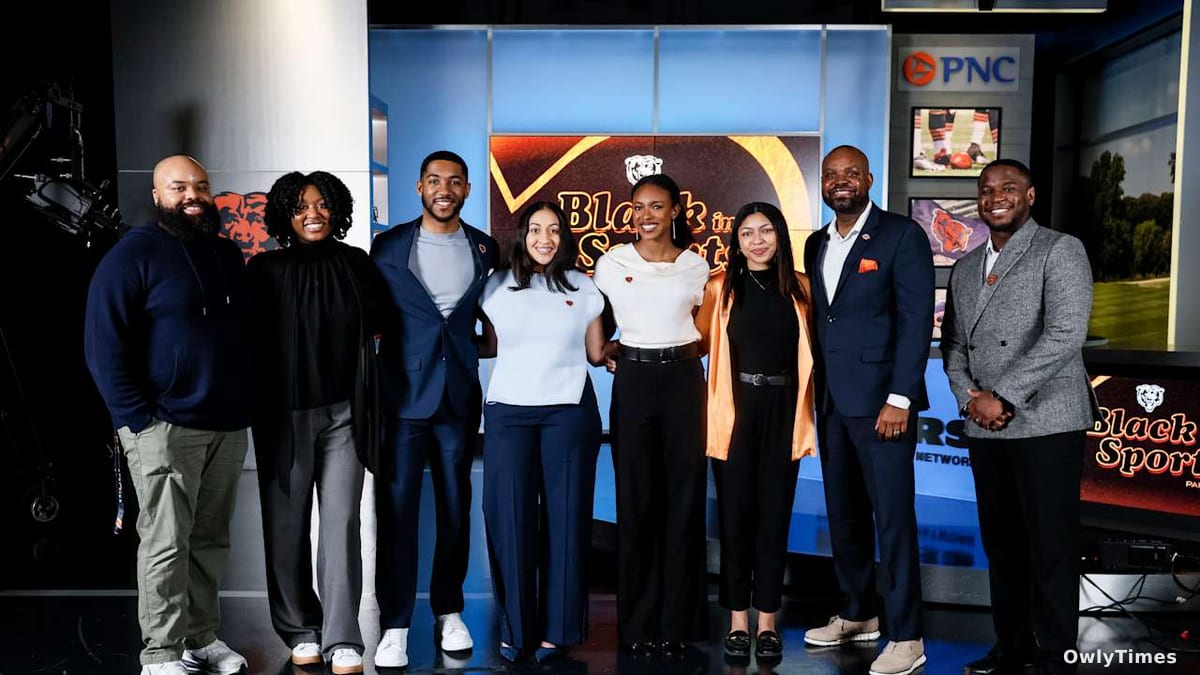

The fluorescent lights of Halas Hall hummed, but the energy in the room crackled with something far warmer than electricity. It wasn’t a game day, or a press conference announcing a new draft pick. It was the Chicago Bears’ third annual “Black in Sports” panel, and the air thrummed with the quiet power of professionals finally having a space to be seen – not just as employees of a billion-dollar franchise, but as individuals with stories, insights, and a shared experience navigating a historically white-dominated industry. This isn’t simply a feel-good February initiative; it’s a calculated, and increasingly vital, move by the Bears to address a systemic issue that extends far beyond the football field.
Beyond the Sidelines: The Rise of ERGs in Professional Sports
For years, professional sports organizations paid lip service to diversity, often focusing on on-field representation while largely ignoring the lack of Black leadership in crucial off-field roles – marketing, management, finance. The Bears, like many teams, are now realizing that true inclusivity requires a deeper commitment, and that’s where Employee Resource Groups (ERGs) like the Building Leaders and Creating Community (B.L.A.C.C.) group come in. Launched in 2023, the B.L.A.C.C. isn’t just a social club; it’s a strategic initiative, backed by Vice President of Human Resources Kristin Rogers, designed to foster a culture where Black employees feel valued, supported, and empowered to advance. The fact that this is only the third year of the “Black in Sports” panel, yet already feels like an established tradition, speaks to the pent-up demand for this kind of platform.
Drawn from chicagobears.com.
The B.L.A.C.C. ERG, co-led by social media coordinator Chidera Udeh and partnership activation coordinator Marquis White, operates on four pillars: education, professional development, community engagement, and culture building. This isn’t about checking boxes; it’s about creating a holistic support system. Udeh describes the group’s impact in three words: “growth, culture, and community.” That sentiment is echoed by Meka White Morris, Executive Vice President of Revenue & Chief Business Officer and the ERG’s executive sponsor, who sees the group as building “momentum” within the organization. This momentum is crucial, especially considering that, according to a 2023 report by The Institute for Diversity and Ethics in Sport (TIDES), Black individuals still hold a disproportionately small percentage of leadership positions in the NFL – roughly 18% in 2023, a figure that has seen incremental gains but remains significantly below population parity.
The Power of Visibility: Amplifying Voices at Halas Hall
This year’s panel, featuring special advisor Ted Crews, director of digital marketing Crystal Sain, player engagement coordinator Brice McAllister, and suite service coordinator Ariyanna Robb, wasn’t just a series of talking heads. Moderated by content presenter Jasmine Baker, the conversation delved into the practical realities of navigating the sports industry as a Black professional. The panelists spoke candidly about the importance of mentorship, the challenges of building relationships in a high-pressure environment, and the need for diverse representation. White emphasized the importance of “excellence and authenticity” coexisting, a powerful message for anyone who has ever felt pressured to code-switch or downplay their identity to fit in. The Bears are strategically sharing this conversation across their social channels, extending its reach beyond the walls of Halas Hall and into the broader Chicagoland community. This isn’t accidental; it’s a deliberate attempt to demonstrate a commitment to diversity that goes beyond performative allyship.
The impact of these initiatives isn’t solely internal. The Bears’ investment in the B.L.A.C.C. ERG and programs like the “Black in Sports” panel are part of a larger trend in professional sports. Teams are increasingly recognizing that a diverse workforce isn’t just the right thing to do, it’s a business imperative. A more inclusive environment attracts top talent, fosters innovation, and strengthens connections with a diverse fan base. The Bears’ celebration of Black History Month extends beyond the panel, encompassing storytelling initiatives, community engagement programs, and a spotlight on figures like Antwaan Randle El, whose legacy is being actively celebrated. This holistic approach signals a genuine commitment to honoring Black contributions to the team and the city.
What’s Next for Inclusive Leadership in the NFL?
The Bears’ efforts are commendable, but they also highlight a larger question: how can the NFL as a whole accelerate progress towards greater diversity and inclusion? The league’s Rooney Rule, designed to increase the number of minority candidates interviewed for coaching positions, has faced criticism for its limited effectiveness. The focus now is shifting towards creating more opportunities for Black professionals in all areas of the organization, from entry-level positions to executive leadership roles. The B.L.A.C.C. ERG at the Bears serves as a model for other teams, demonstrating the power of employee-led initiatives in driving meaningful change. But will other franchises invest in similar programs with the same level of commitment? Will the league prioritize accountability and transparency in tracking diversity metrics? The success of initiatives like the Bears’ “Black in Sports” panel hinges on a broader cultural shift within the NFL, one that prioritizes inclusivity not just during Black History Month, but year-round. The question isn’t whether the Bears are doing enough, but whether the rest of the league will follow suit and truly level the playing field.

