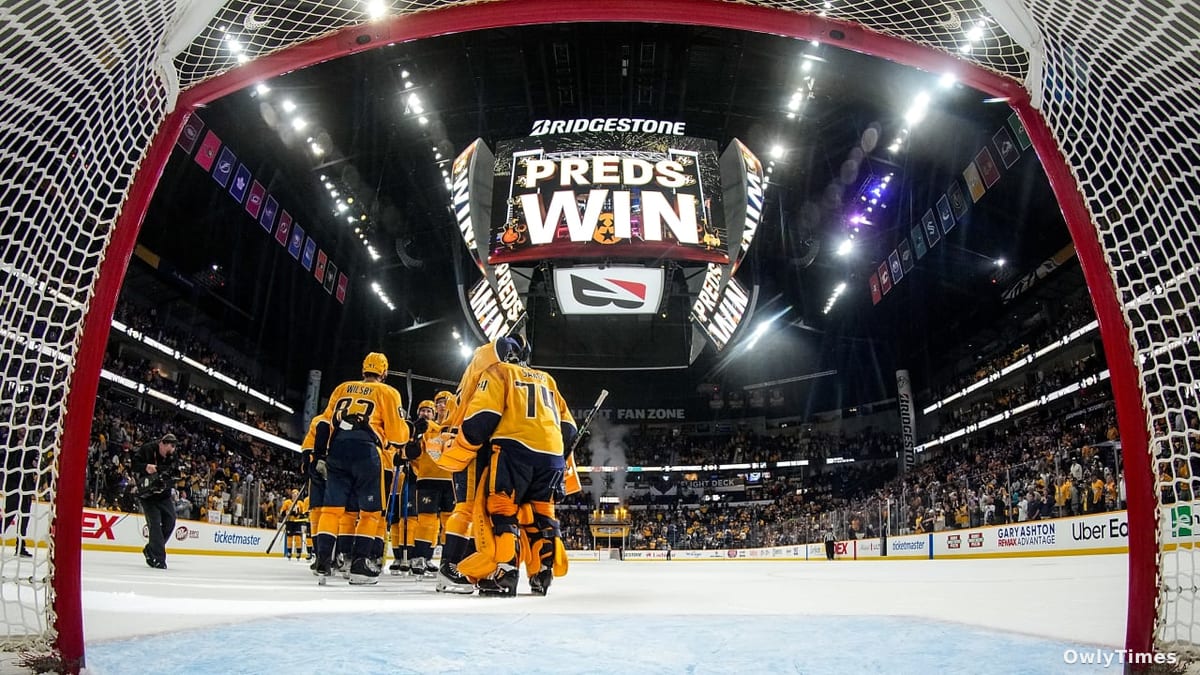

The chipped paint on the brick wall of Tootsie’s Orchid Lounge seemed to vibrate with the low thrum of anticipation Tuesday afternoon, even though the news hadn’t yet fully sunk in for the regulars nursing their beers. It wasn’t a goal scored, or a player traded, but a shift in how Nashville would see its Predators. After 28 years tethered to Fox Sports South, the team announced a multi-year partnership with Scripps Sports, promising a future where Predators hockey isn’t just available, but free for most fans across the Southeast. This isn’t simply a broadcast deal; it’s a calculated move to dismantle the barriers keeping a generation from falling in love with the game, and a bellwether for how regional sports networks are navigating a fractured media landscape.
Beyond the Broadcast Rights: A Fan Accessibility Crisis
For years, the complaint echoed across Middle Tennessee and beyond: “I want to watch the Preds, but I can’t get the channel.” Sean Henry, the Preds’ CEO, readily admits the frustration. The rise of cord-cutting, coupled with cable companies shifting regional sports networks (RSNs) to expensive tiers, created a frustrating paradox. A team building a passionate fanbase in a rapidly growing city was simultaneously becoming harder to actually watch. The numbers bear this out. While specific viewership data for Fox Sports South isn’t publicly available, the “overwhelmingly positive” response to the handful of games aired on Scripps’ WTVF NewsChannel 5 over the past two seasons – a station already in most homes – signaled a clear demand. Henry estimates ratings could “increase tenfold” with the new arrangement, a staggering projection built on the simple premise of accessibility.
The Scripps deal addresses this head-on with “The Spot – Nashville 28,” a new over-the-air channel, and a planned direct-to-consumer streaming option. This isn’t just about convenience; it’s about equity. For families who can’t afford premium cable packages, or who’ve ditched cable altogether, the Predators were becoming a luxury, not a shared community experience. The team’s commitment to community programs – literacy initiatives and disaster relief, highlighted by Henry – feels intrinsically linked to this move. How can you build a community around a team if a significant portion of that community can’t even watch the games?
See the original nhl.com story for the full account.
Scripps’ Strategy: Building a Sports Empire, One Market at a Time
This partnership isn’t a one-off for Scripps. The media conglomerate already boasts broadcasting deals with the Tampa Bay Lightning, Florida Panthers, Vegas Golden Knights, and the Utah Mammoth. They’re not just buying broadcast rights; they’re building a regional sports network ecosystem, strategically targeting markets with passionate fanbases and demonstrable growth potential. This is a calculated bet on the enduring power of local sports, even as national broadcasts dominate headlines. Scripps understands that the emotional connection fans have with their local teams is different – more visceral, more deeply rooted in community identity.
The company’s success hinges on its ability to deliver on the promise of innovation. The “full library of offerings” and “unique programming” Henry alluded to are crucial. Simply re-broadcasting games isn’t enough. Fans expect more – behind-the-scenes content, player interviews, in-depth analysis, and interactive experiences. The pre- and post-game shows, featuring familiar faces like play-by-play announcer Willy Daunic, color analyst Chris Mason, and rinkside reporters Kara Hammer, Lyndsay Rowley, and Hal Gill, provide a foundation, but Scripps will need to build on that to truly differentiate itself.
The Familiar Faces and the Future of Local Sports
Notably, the on-air talent remains consistent. Continuity is a smart move, preserving the established rapport between the broadcast team and the fanbase. In a period of constant disruption, maintaining familiar voices provides a sense of stability. However, the real test will be how Scripps integrates new technologies and content formats. The direct-to-consumer streaming service, details of which are still forthcoming, is particularly critical. It’s not enough to simply offer a live stream; it needs to be a compelling, user-friendly experience that rivals the offerings of national streaming giants.
This deal also highlights a broader trend: the increasing importance of data and analytics in sports broadcasting. Scripps’ track record across multiple NHL franchises suggests a sophisticated understanding of fan behavior and content consumption. They’ll be closely monitoring viewership numbers, engagement metrics, and social media trends to optimize their programming and tailor their offerings to the specific needs of the Nashville market.
What Happens When Everyone Can Watch?
The Predators-Scripps partnership isn’t just about making games more accessible; it’s about fundamentally reshaping the relationship between the team and its fans. Sean Henry’s vision – of a 6-year-old falling in love with the game because they can simply turn on the TV – is a powerful one. But it also raises a crucial question: what happens when the barrier to entry is removed? Will the increased exposure translate into a larger, more engaged fanbase? Will casual viewers become avid fans, and avid fans become fanatics, as Henry predicts? Or will the sheer volume of available content dilute the emotional connection fans have with the team? The next few seasons will be a fascinating experiment, a real-time case study in the power of accessibility and the evolving landscape of regional sports broadcasting. The industry will be watching closely to see if Nashville can become a blueprint for others to follow.