
Beyond the Cake Walk: Addressing Healthcare Access Through Community-Based Outreach
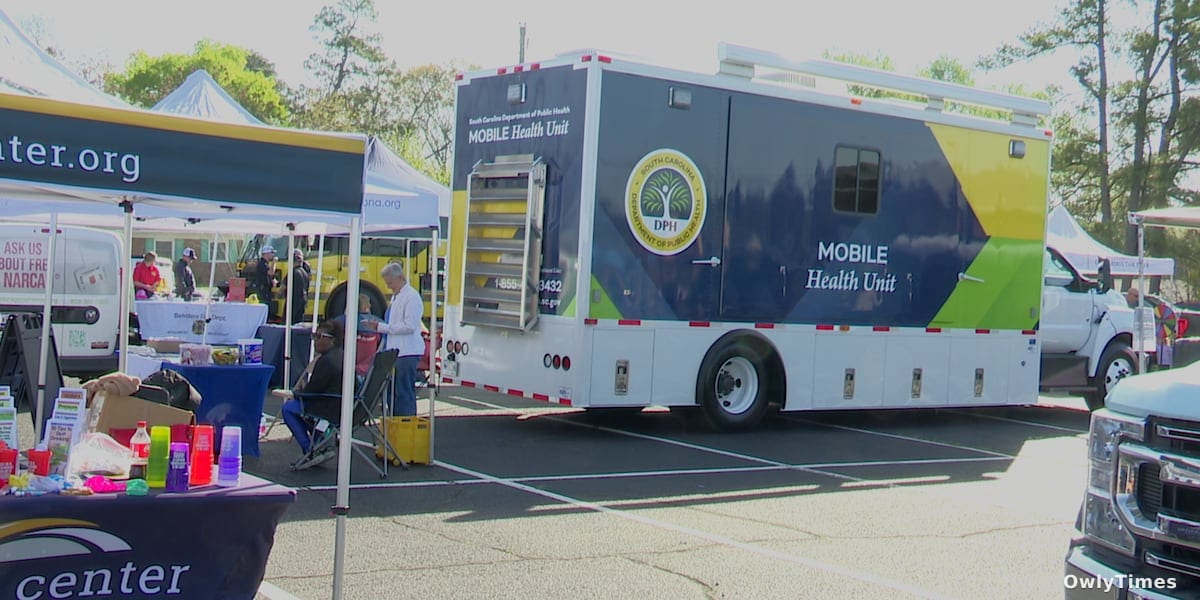
The persistent challenge of healthcare access isn’t simply a matter of insurance coverage or hospital capacity; it’s fundamentally a logistical problem for many. While national debates focus on policy changes, a quietly significant trend is emerging: bringing healthcare to the people, particularly in areas where traditional access is limited. This past Saturday’s Believe in Belvedere Community Fair, hosted by Bel-Ridge Baptist Church in Aiken County, South Carolina, exemplifies this approach, and offers a valuable case study in how localized, mobile resources can circumvent systemic barriers. The event wasn’t just a community gathering with games and music – it was a targeted intervention designed to reach populations demonstrably underserved by existing infrastructure.
The core innovation of the Believe in Belvedere Fair, as articulated by event organizer Chris Wyatt, lies in its intentional mobility. “Bringing mobile resources into the community so they can make those connections, we have seniors, we have folks who don’t have transportation to Aiken or Augusta, so it gives them a safe space at the church and meet people who can meet their needs,” Wyatt explained. This isn’t a novel concept – mobile clinics have been deployed for decades, often in response to disaster or to serve migrant worker populations. However, the Belvedere Fair distinguishes itself by proactively addressing chronic access issues within a defined geographic area, specifically targeting transportation limitations and the needs of a senior population. Consider that according to the U.S. Census Bureau, nearly 15% of Aiken County residents are over 65, and a significant proportion of those individuals may face challenges with independent transportation, creating a reliance on others or foregoing care altogether.
Drawn from wrdw.com.
The Specificity of “Mental Health Resources” – And Why It Matters
Initial reports have broadly described the resources offered as “mental health resources,” a phrase that, while well-intentioned, risks obscuring the specific interventions provided. The success of such outreach hinges on offering tangible, actionable support, not simply raising awareness. While the report doesn’t detail which mental health resources were available, the choice of focus is noteworthy. Nationally, access to mental healthcare remains significantly lower than access to primary care, with a 2023 report from the National Alliance on Mental Illness (NAMI) indicating that over half of individuals with a mental health condition do not receive treatment. This disparity is often exacerbated in rural areas like Aiken County, where the ratio of mental health professionals to population is considerably lower than the national average. The fair’s emphasis on mental health suggests a recognition of this unmet need, and a proactive attempt to bridge the gap.
It’s crucial to understand what this event doesn’t represent. It’s not a replacement for comprehensive, systemic healthcare reform. The Believe in Belvedere Fair is, by its nature, a localized and episodic intervention. It provides a point-in-time opportunity for connection, but doesn’t address the ongoing need for consistent care. Furthermore, the reliance on a church as a venue, while providing a trusted and accessible space, also introduces potential limitations regarding scope of services and perceived inclusivity for individuals who do not identify with the religious organization. These aren’t criticisms, but rather acknowledgements of the inherent constraints within this model.
Measuring Impact Beyond Attendance Numbers
The immediate impact of the fair is readily quantifiable – attendance numbers, the number of resource packets distributed, and perhaps even preliminary data on referrals for follow-up care. However, the true measure of success will lie in longer-term outcomes. Did individuals who received information at the fair actually connect with ongoing mental health services? Did the event reduce barriers to care for those who previously felt unable to access support? These questions require a more robust evaluation methodology, including follow-up surveys and data tracking. Without such data, it’s difficult to determine whether the fair represents a sustainable solution or simply a temporary boost in awareness.
Looking ahead, the model employed by Bel-Ridge Baptist Church and Chris Wyatt deserves further investigation. The key isn’t simply replicating the event itself, but understanding the underlying principles that made it effective. What specific partnerships were forged to bring mobile resources to the community? How was the event marketed to ensure it reached the intended target population? And, crucially, how can these efforts be integrated into a broader, more comprehensive healthcare strategy for Aiken County? The next step isn’t simply to hold another fair next year, but to analyze the data collected from this event and use it to inform a more strategic and sustainable approach to healthcare access. Will other community organizations in similar areas adopt this model? And, if so, will they prioritize data collection to demonstrate its long-term efficacy? That’s the question we should be watching for.





