
Beyond Pink Glitter: Why Accessible STEM Outreach Matters Now
The persistent underrepresentation of women in science, technology, engineering, and mathematics (STEM) fields isn’t a pipeline problem—it’s an access problem, and a perception problem. While national conversations often focus on high-level interventions like university scholarships or corporate diversity initiatives, a quietly powerful shift is happening at the community level, exemplified by events like the monthly 2nd Saturday program at CSU Spur in Denver. These aren’t simply “science days” designed to check a box; they represent a deliberate effort to reshape how young girls experience science, and to demonstrate that it’s a field open to their creativity and curiosity. The upcoming “Girls & Science” event on March 14th, 2026, isn’t about convincing girls they can do science, but about showing them they already are scientists.
See the original CBS News story for the full account.
The core of this approach, as explained by Eva Rodriguez, Event Planning Manager for CSU Spur, is dismantling the often-sterile image of scientific pursuit. “This event is really built around showing kids, especially girls that science is fun. It's creative. It's exciting, and it's absolutely for them,” Rodriguez told CBS Colorado. This isn’t a new sentiment, of course. For decades, outreach programs have attempted to address the gender gap in STEM. What’s notable about CSU Spur’s model is its emphasis on integration with existing community resources – the Colorado Forest Service, the Denver Public Library, and even the mobile “Sci on the Fly” trailer from Colorado State University’s Fort Collins campus – creating a multifaceted experience. The inclusion of the hydro building’s music lab further underscores the point that science isn’t confined to beakers and test tubes, but is interwoven with artistic expression.
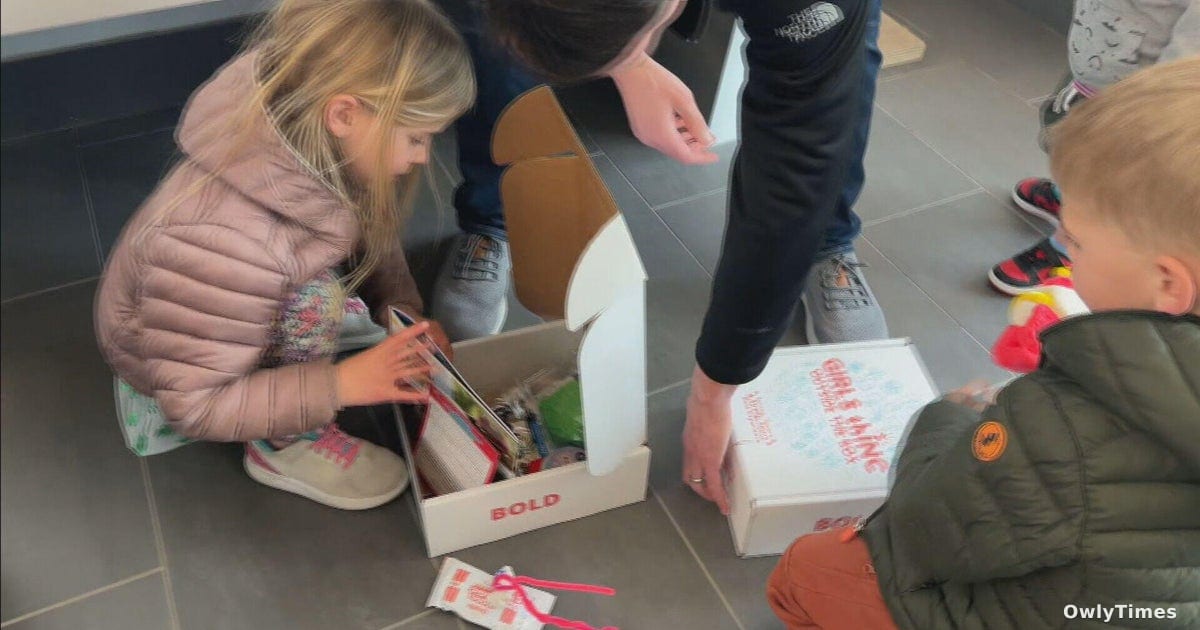
A key component of the event is the distribution of 500 STEM kits provided by Girls Inc., designed for children aged 6-11. While 500 kits represent a tangible benefit, it’s crucial to understand this isn’t a large-scale solution. The limited quantity highlights a common challenge in outreach: sustained funding and resource allocation. These kits aren’t simply toys; they’re carefully curated experiences designed to foster hands-on learning. But the impact of a single kit is difficult to measure, and relies heavily on continued engagement at home. The presence of Jewel and Lacy, the mini-horses in the Vita Building, might seem like a whimsical addition, but it’s a deliberate attempt to create a welcoming and memorable experience, leveraging the proven therapeutic benefits of animal interaction to reduce anxiety and encourage exploration.
CSU Spur’s broader mission extends beyond single events. The facility itself, a free education center focused on food, water, and health research, functions as a year-round hub for community engagement. Rodriguez emphasized that the center aims “to inform visitors of the main issues we face in society in food, water, and health…to connect people to accelerate innovation within those fields and to really motivate transformation.” This holistic approach – offering everything from movie nights and cooking classes to soil testing labs and greenhouses – positions CSU Spur not just as a place to learn about science, but as a place to live it. This is a departure from the traditional model of science education, which often feels disconnected from everyday life.
However, it’s important to acknowledge the limitations of relying solely on localized outreach. While events like “Girls & Science” can spark interest and build confidence, they don’t address systemic issues like implicit bias in education, unequal access to advanced coursework, or the lack of female role models in leadership positions within STEM fields. Furthermore, the success of these programs is often difficult to quantify. Measuring long-term impact – whether participants pursue STEM careers – requires longitudinal studies and robust data collection, something that is currently lacking. The question now isn’t simply whether these events are popular, but whether they demonstrably shift the trajectory of young girls’ engagement with STEM over time. Will we see a measurable increase in female enrollment in advanced science courses in the Denver area in the years following consistent exposure to programs like this? That’s the metric that truly matters.





