
Can a brand synonymous with gas-guzzling, old-world luxury actually convince its well-heeled drivers to trade their V12 engines for a battery pack? The real story here isn’t the launch of a new luxury vehicle—it’s the desperate, high-stakes gamble that a heritage nameplate like Bentley can survive the current industry-wide collapse of the high-end electric vehicle market.
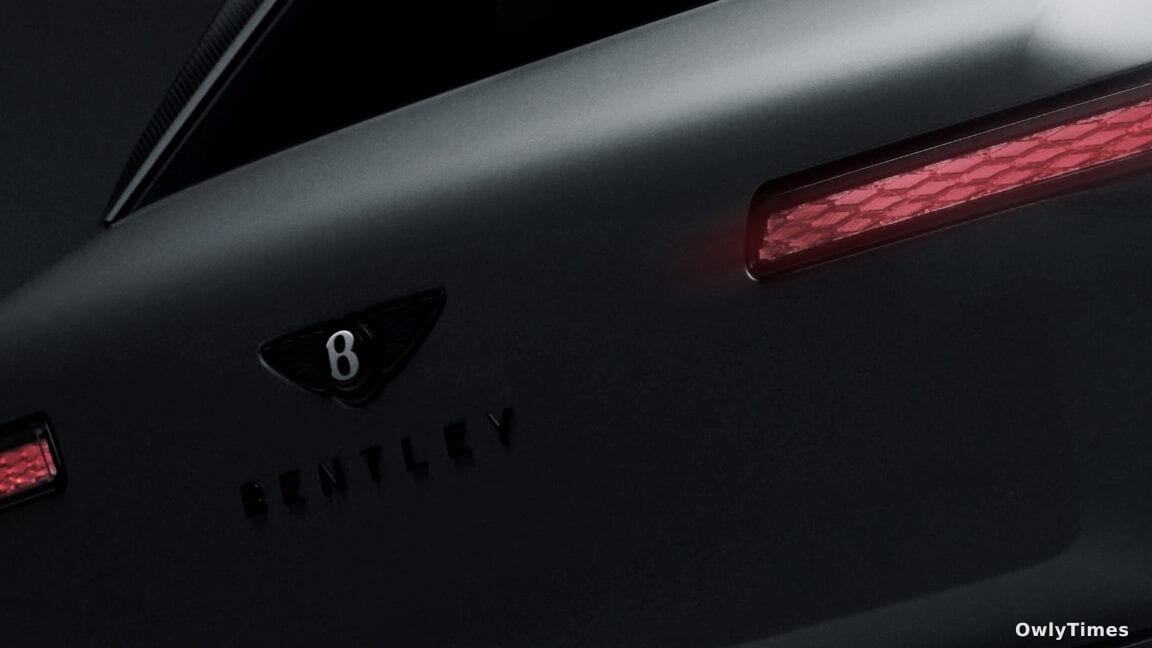
Bentley has officially pulled back the curtain on the Torcal, its first-ever fully electric vehicle, confirming a September 23 reveal in London, according to Engadget. While the name was subject to intense industry speculation—with Ars Technica noting that many observers, including Car and Driver, had pegged the moniker as “Barnato” in honor of pre-war racing legend Woolf Barnato—the company ultimately stuck to its established naming convention. As both Ars Technica and WIRED report, the name draws from the El Torcal de Antequera limestone rock formations in Spain, while also serving as a linguistic nod to the Latin torquere, the root of “torque.”
Designing for a Skeptical Audience
The vehicle itself is a 5-meter-long SUV that signals a departure from Bentley’s traditional aesthetic, according to WIRED. While it retains the brand's familiar long hood and upright front, it features a sloping rear roofline designed to reduce drag—a common necessity in EV design that impacts range. Inside, the cabin avoids the current industry trend of overwhelming passengers with excessive screens; WIRED reports that while a curved OLED central display is present, there is no separate passenger screen. Engadget adds that early test units spotted in the Arctic Circle and at the Nürburgring featured red leather and black Alcantara, alongside mechanical tactile controls—a reassuring choice for users who find purely digital interfaces frustrating.
Navigating a Luxury EV Graveyard
The Torcal enters a market that is currently punishing luxury automakers for their electric pivots. As detailed by WIRED, the sector is littered with cooling demand: Lamborghini has shelved its Lanzador EV, Ferrari saw market value plummet following the reveal of its own electric model, and Porsche—Bentley’s stablemate under the Volkswagen Group—recently reported a 93 percent collapse in operating profit, largely due to a €3.9 billion write-down related to its struggling EV strategy. For the average user, this translates to a volatile landscape where the "latest tech" is no longer the status symbol it was just a few years ago.
Profitability and the Path Forward
Bentley is currently in a period of financial contraction. While the company reported its seventh consecutive year of profitability in March, its operating profit fell 42 percent to €216 million on €2.6 billion of revenue, according to WIRED. The company has already cut 275 management and non-manufacturing roles to fund the conversion of its historic A1 building in Crewe into a dedicated electric assembly line. Bentley CEO Frank-Steffen Walliser has described the Torcal as the "most considered car" in the company’s history, but the strategy is now one of extreme caution.
Having already pushed its target for a fully electric lineup back from 2030 to 2035, the brand is hedging its bets by continuing to sell plug-in hybrid and combustion models alongside the Torcal. The real test for the company will arrive on September 23, when the full reveal in London will finally provide the concrete range and performance specifications that will determine whether the Torcal is a legitimate luxury contender or another casualty of the premium EV market's cooling demand.