
Is the American dream becoming a survival test, or have we just stopped noticing the smoke? As we head into this year’s Fourth of July weekend, the country is caught in a precarious collision of extreme weather, heightened security, and a cost-of-living crisis that hits the literal dinner plate.
The real story here isn't the spectacle of a holiday celebration—it's the massive logistical strain of keeping a country functional while it’s literally and figuratively overheating.
A Nation Under Pressure
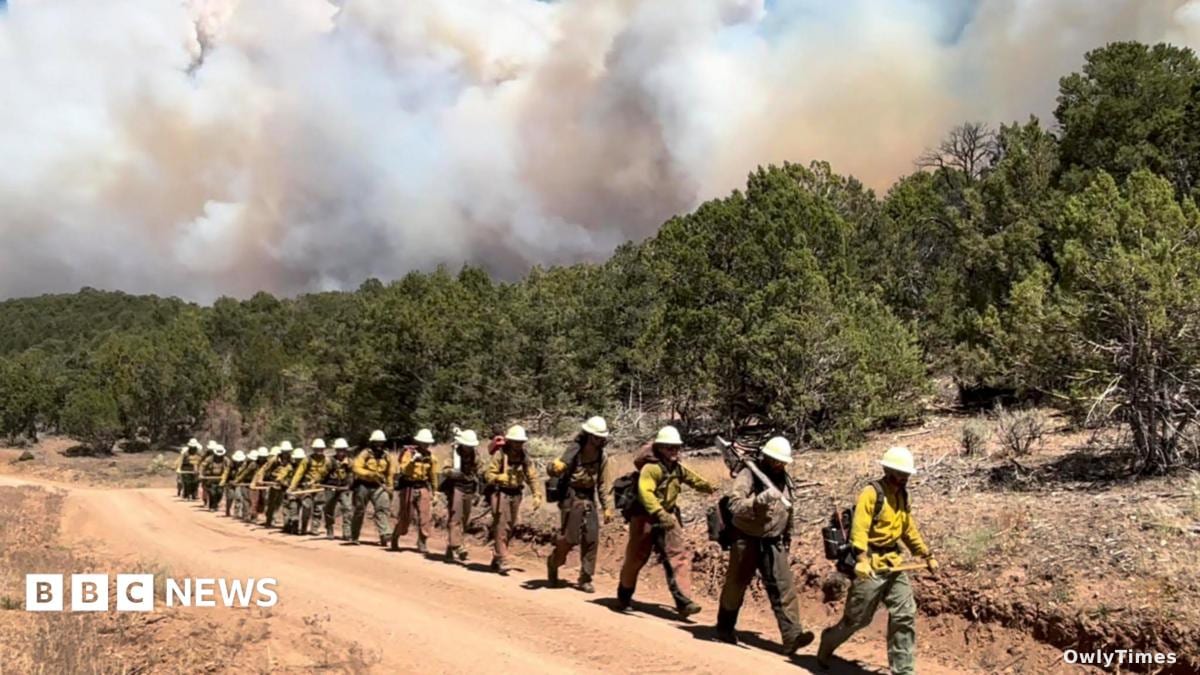
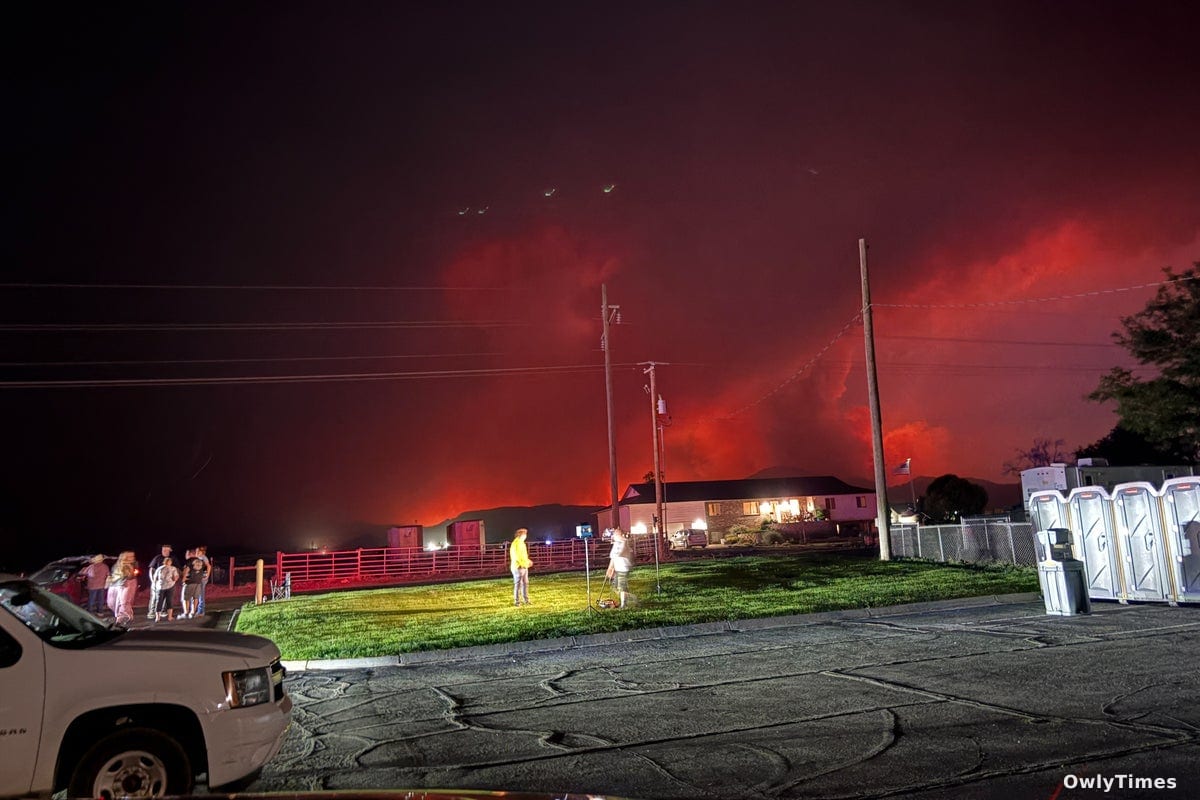
The most pressing danger for many is the wildfire crisis, which is currently stretching emergency resources to their breaking point. According to The Independent, more than 9,000 personnel have been deployed to combat over 50 large, uncontained blazes across the West. The situation is dire, with the Aspen Acres fire in Colorado expanding by 17 square miles in a single night to reach nearly 105 square miles of destruction by Friday, as reported by the same outlet.
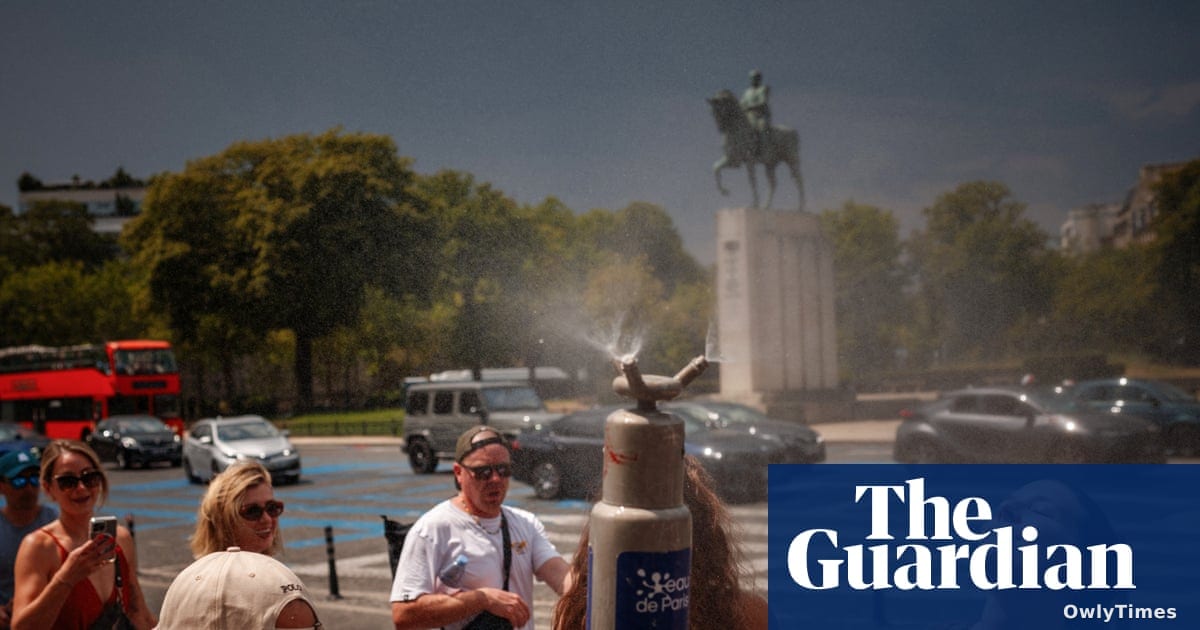
While the fire-ravaged West grapples with evacuation orders, the East Coast is facing a different, invisible threat: a blistering heat wave. WIRED reports that New York City is bracing for temperatures near 100 degrees Fahrenheit, with heat indices reaching up to 110. The danger isn't just uncomfortable; it’s systemic. New York City has already activated its emergency heat plan, which includes setting up 650 cooling stations and deploying cooling vans, as emergency physicians like Erik Blutinger at Mount Sinai Queens prepare for a surge in heat-related illnesses.
Security at the Scale of a Super Bowl
In the nation’s capital, the Fourth of July events have been designated a "national special security event," a status typically reserved for inaugurations, according to CBS News. This is a massive, highly militarized operation; the U.S. Marshals Service has sworn in officers from 44 local agencies to assist, and nearly 5,000 National Guard troops are currently stationed behind miles of fencing.
The security theater here functions like a high-stakes algorithm: the Secret Service has explicitly planned for rapid evacuation scenarios, should the crowd need to be funneled out of the area, per CBS News. It’s a sobering reminder that for the hundreds of thousands expected to attend, the price of entry is a transition through airport-like screenings, a far cry from the casual backyard barbecues of the past.
The Hidden Cost of the Cookout
Even if you aren't in the path of a fire or a heat wave, your wallet is feeling the heat. The traditional Fourth of July barbecue has become a barometer for broader economic frustration. As noted by MarketWatch, beef prices in the U.S. have soared 22% since January 2025. It’s a classic case of supply chain friction meeting domestic policy failures, leaving working families to pick up the tab for a holiday meal that feels increasingly like a luxury.
The Global Stage in a Sweltering Summer
This weekend also serves as a strange intersection of international sport and domestic tension. While the U.S. Eagles rugby teams prepare to play matches in Denver and Johannesburg, the weather is threatening to overshadow the games themselves. The Guardian notes that even the Denver match could be impacted by smoke from regional fires, while in Philadelphia, organizers have had to move the FIFA Fan Festival hours to the evening to avoid the worst of the 100-degree heat, as reported by WIRED.
The next signal to watch is the post-holiday data: keep an eye on hospital admission rates in major metros like New York and Philadelphia following the weekend, as that will be the first concrete metric to determine if our current emergency cooling infrastructure is actually enough to handle these new, hotter climate realities.