
Is the modern athlete becoming a biological anomaly, or have we simply stopped asking the right questions about the limits of the human body? We are currently witnessing a surge of "legacy athletes" attempting to defy the traditional expiration dates of professional sports, but the reality of these returns is often far messier than the glossy highlight reels suggest.
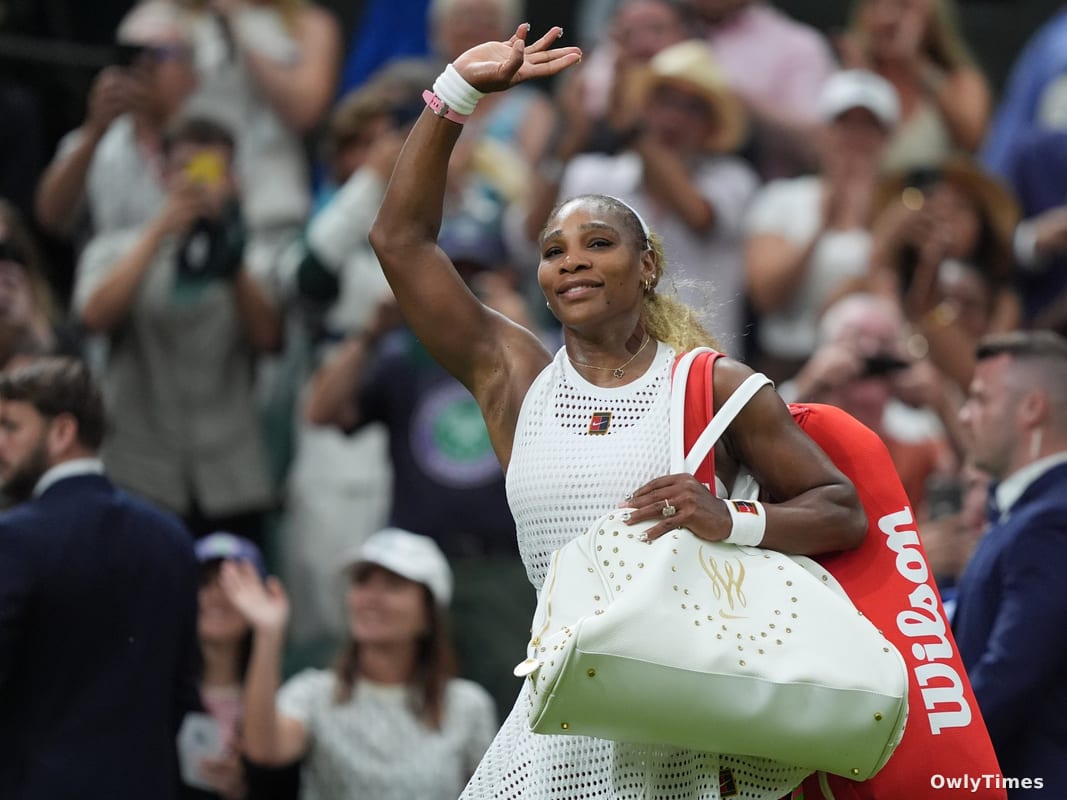
The real story here isn’t the romantic narrative of the comeback—it’s the stark, physical toll that catches up even with the greatest icons. This was on full display at Wimbledon this week, where Serena Williams, at 44 years old, made a high-profile return to singles tennis only to face a first-round exit. According to Al Jazeera, Williams fell to 20-year-old Maya Joint with a score of 6-3, 6-7 (6/8), 6-3.
While the spectacle drew massive crowds, the match underscored the brutal nature of professional competition. Both Al Jazeera and The Guardian confirm that despite a spirited second-set tie-break win, Williams ultimately ran out of steam, losing five of the final six games in the deciding set. The Guardian provides the additional context that Joint, who entered the match having lost 13 of her previous 14 outings, admitted to being nervous and sleep-deprived before the match, yet still managed to capitalize on Williams’s missed backhands.
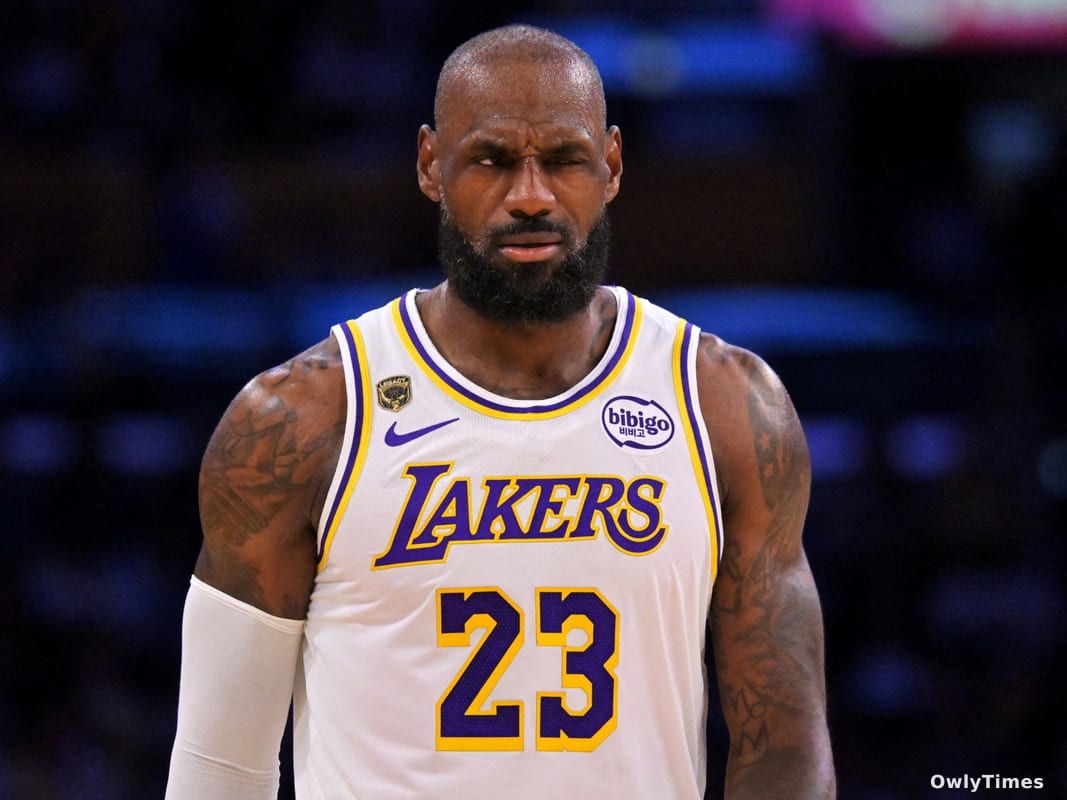
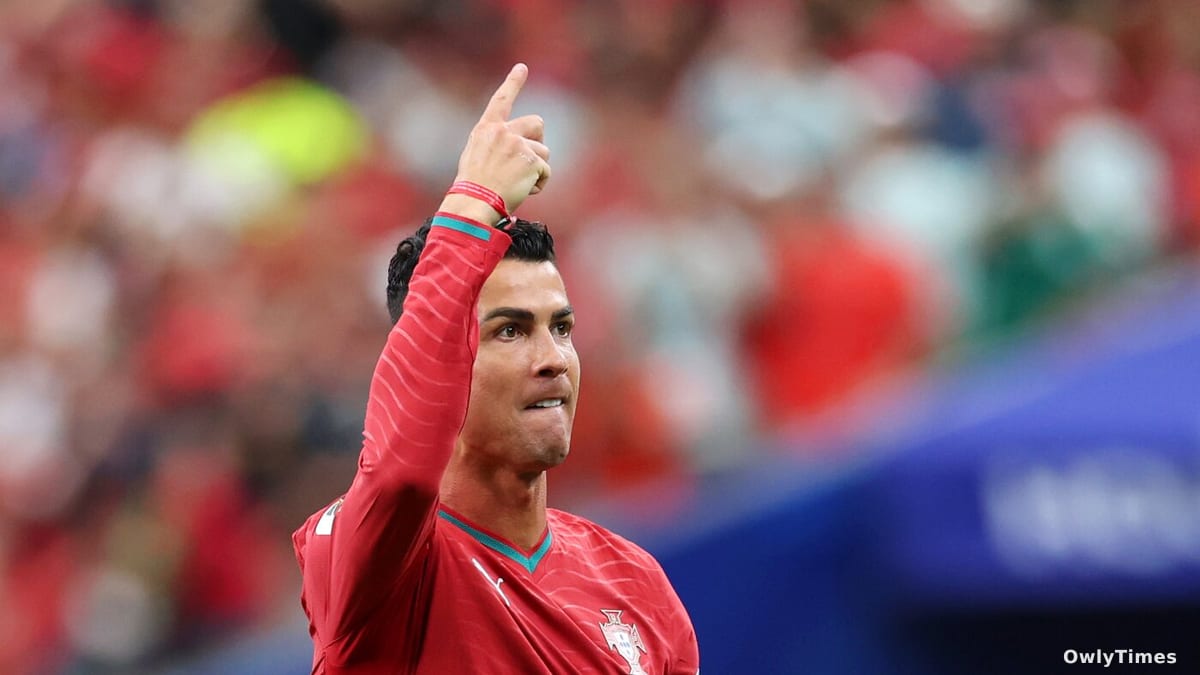
This phenomenon of extended careers—seen in other global stars like Lionel Messi, Cristiano Ronaldo, and LeBron James—has become a major industry talking point. CBS News highlights that these athletes are actively reshaping the expectations of longevity in elite sports. However, the contrast between the hype of a comeback and the technical reality of the court is jarring. While the audience at Centre Court offered a standing ovation for the 23-time Grand Slam champion, the performance itself serves as a reminder that momentum is a finite resource.
The tournament also saw other legends reach the end of their respective roads. The Guardian reported that Stan Wawrinka played his final Wimbledon match, losing to Matteo Berrettini in a grueling four-set contest. Wawrinka, who explicitly stated, "I don’t want to retire but I know it’s time," represents the other side of this trend: the graceful acknowledgment that the physical ceiling has been reached, regardless of how much an athlete loves the game.
For the everyday user, these stories act as a proxy for our own relationship with technology and aging. We live in an era where we expect software to be patched and updated indefinitely, and we are increasingly projecting that expectation onto human biology. We want to believe that with enough data-driven training and "optimization," the peak can be stretched forever. But as we saw on the grass at Wimbledon, the clock doesn't care about our appetite for a sequel.
The immediate focus for the tennis world will now shift to the remaining seeds, as Al Jazeera notes that Iga Swiatek and Elena Rybakina have both advanced following their own difficult opening matches. Expect the conversation around athlete retirement to reach a fever pitch by late August, as speculation mounts regarding whether Williams will attempt another singles entry at the US Open.