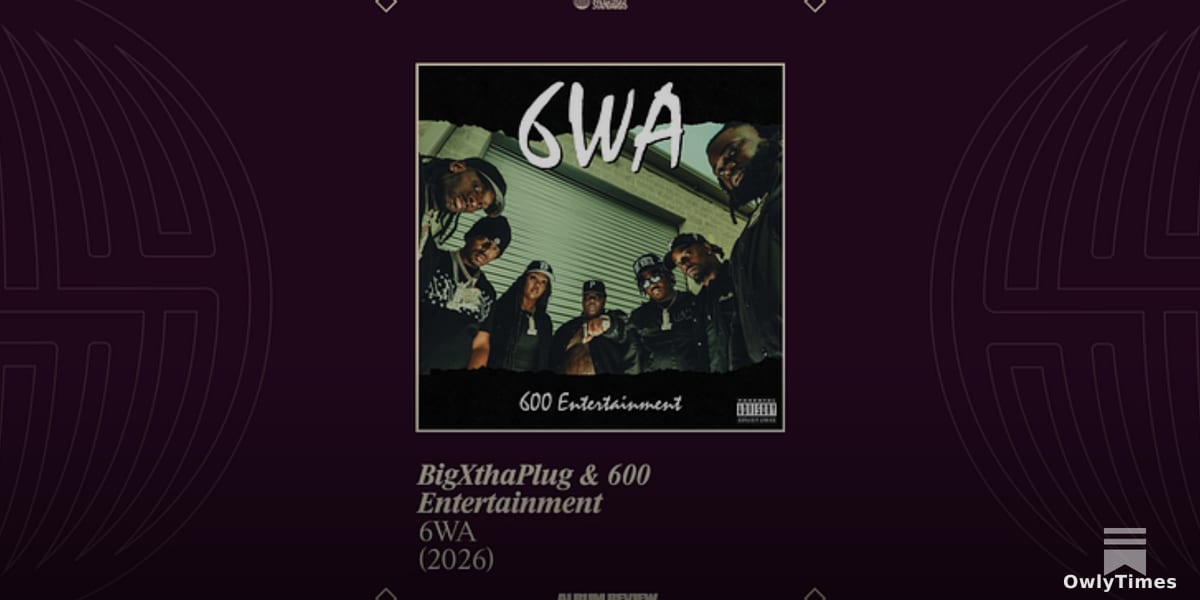

The air in Dallas smells different these days, a strange mix of barbecue and ambition. Just months after BigXthaPlug traded the honky-tonks of Nashville for the concrete of his hometown, a scene unfolded that felt less like a record release and more like a coronation. He’d just dropped 6WA, a gangsta-rap record brazenly sporting N.W.A’s Straight Outta Compton cover, and the city was buzzing. It’s a move that, on the surface, feels like calculated provocation, but beyond the headlines, it’s a statement about the shifting geography of hip-hop and the power of claiming your own narrative, even if it means borrowing from the giants who came before. This isn’t just about a new album; it’s about a regional power play, a challenge to the established coasts, and a testament to the enduring allure of the hustle.
The story is already remarkable. BigX spent eight months crafting a country-rap fusion that defied expectations, landing at No. 7 on the Billboard 200, catapulting “All the Way” (with Bailey Zimmerman) to No. 4 on the Hot 100, and even earning him a Rolling Stone cover alongside a tour with Jelly Roll. A Nashville success story, to be sure, but one he seemingly walked away from to double down on his roots. He then returned to Ferris, Texas, and assembled his crew – Rosama, MurdaGang PB, Yung Hood, KevanGotBandz, and KaineMusic – to create 6WA, a project steeped in West Coast samples from N.W.A’s “8Ball” to Snoop Dogg’s “Nuthin’ but a ‘G’ Thang.” It’s a bold move, a sonic collage that acknowledges its influences while simultaneously asserting a distinctly Dallas identity. The album’s name itself, 6WA, is a direct reference to the 600 block of Meadowridge Street in Ferris, the foundation of BigX’s world.
Drawn from shatterthestandards.com.
The financial implications are staggering. BigX reportedly handed his mother a million dollars in cash upon his return, a gesture that speaks volumes about his priorities and the driving force behind his ambition. “How you think we competin’? You just made me some millions off country,” he raps on “From the Bottom,” a line that isn’t just a boast, but a declaration of independence. He’s leveraging success in one genre to fuel another, and in doing so, he’s rewriting the rules of engagement. This isn’t the typical trajectory of a rapper; it’s a savvy businessman recognizing and exploiting opportunities across musical landscapes. The fact that he’s doing it while simultaneously building a roster of local talent is even more significant. In an industry often criticized for exploiting artists, BigX is positioning himself as a benefactor, a kingmaker in his own right.
6WA isn’t just about flexing wealth and street credibility, though it certainly has its share of both. Tracks like “Safe to Say,” a direct flip of Ice Cube’s “It Was a Good Day,” offer glimpses into a life transformed. Waking up to peace, financial stability, and a functioning vehicle is presented as a victory, a stark contrast to the struggles of his past. Rosama shines alongside BigX, delivering verses that mirror the same sense of hard-won contentment. But the album also delves into the darker realities of street life, with Rosama’s “Life of a Gangster” offering a chilling portrait of a character choosing a life of crime over legitimate means. The range within the crew is crucial; MurdaGang PB can switch from gritty realism to outlandish boasts, while Yung Hood distills the motivations for hustling into four brutally honest lines.
The album’s most poignant moment arrives midway through with a spoken-word interlude from The D.O.C., a West Dallas native and former N.W.A affiliate. His message – “This your time, this DFW time. You need to do it like we do it down here. Leave bread crumbs so everybody behind you can eat” – is a powerful endorsement and a call to action. It’s a reminder that success isn’t just about personal gain, but about lifting up those around you. However, the album’s heavy reliance on West Coast samples raises a question: is 6WA truly forging its own path, or is it simply paying homage? The answer, it seems, lies in the moments where the album feels most authentically Dallas – in BigX’s references to Pleasant Grove, Rosama’s claim to be a country boy, and PB’s recounting of a raid that could have happened yesterday.
Ultimately, 6WA doesn’t reinvent the wheel. It’s a solid crew tape with good beats and a concise runtime. But it’s the context surrounding the album – BigX’s unlikely rise, his commitment to his city, and his willingness to challenge the status quo – that makes it truly compelling. The million dollars to his mother, the image of a father with chickens, the platinum plaques replacing street hustles – these are the details that resonate. The question now is whether BigX can translate this momentum into sustained success, not just for himself, but for the entire 600 Entertainment roster. Will Dallas become the next hip-hop hotspot, or will 6WA remain a fascinating, if fleeting, moment in the genre’s ever-evolving landscape? The industry will be watching closely to see if BigX can truly leave those breadcrumbs for others to follow.