
The chipped Formica of the diner counter felt familiar under my hand, even though I hadn’t been back to Binghamton in years. It’s a feeling I suspect Nate Levy knows well – that pull of a place that shapes you, even when you leave. But Levy isn’t just remembering Binghamton; he’s betting on it. He’s putting his own retirement fund, built from a career in Boston finance, into a project that feels less like a business venture and more like a civic repair job: a new live music venue slated for Court Street, tentatively named “The Jynx.” It’s a bold move, especially when so many small cities are struggling to retain young people and build a vibrant cultural scene.
Levy’s story isn’t about a developer parachuting in with a grand plan. He’s a Binghamton native, a three-generation local who, after years away, recognized a void. He noticed the consistent refrain in online forums and student complaints – Binghamton University is a solid school, but the surrounding city lacks a compelling after-dark life. This isn’t a new problem. Small college towns often grapple with the ebb and flow of a student population, struggling to create a sense of place that extends beyond the campus gates. But Levy isn’t aiming to simply provide entertainment; he’s aiming to build a connective tissue, a reason for students and long-time residents to share space and experience. He told Pipe Dream he wants to address the “not a lot to do” problem, and that’s a surprisingly honest assessment for someone about to invest a significant sum in the area.
Drawn from bupipedream.com.
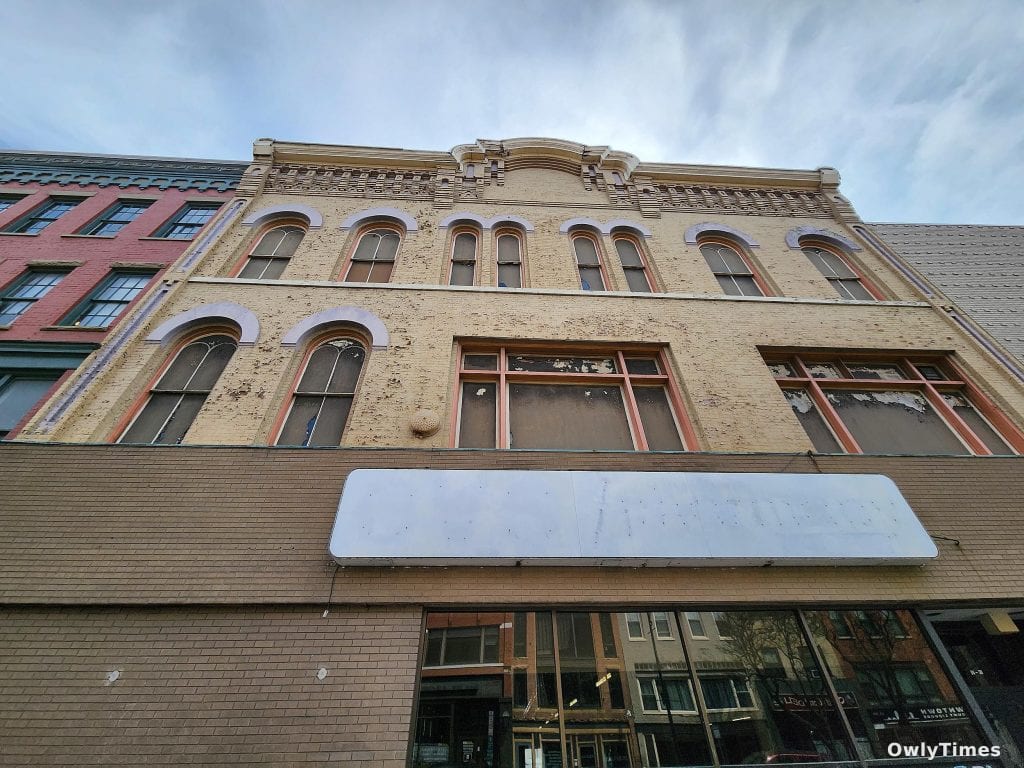
The location itself – the former CVS on Court Street – speaks volumes. It’s a prime piece of real estate, but one that’s been sitting dormant, a symbol of the retail shifts impacting so many downtowns. Levy plans to demolish the existing building and build the venue on the parking lot, potentially partnering with another developer to repurpose the old pharmacy later. This isn’t just about creating a music space; it’s about actively reshaping a block, signaling a belief in the future of Downtown Binghamton. The estimated 12-18 month timeline for completion feels ambitious, but the enthusiastic response from city and county officials – even those “a little skeptical” – suggests a genuine desire to see the project succeed. Ella Sperry, a junior economics major at Binghamton University, summed up the student sentiment succinctly: “I’m super excited about the new downtown venue. I love going to see live music!”
But beyond the excitement, there’s a larger trend at play. We’re seeing a nationwide resurgence of interest in mid-sized cities, fueled by a desire for affordability, community, and a rejection of the hyper-competitive environments of major metropolitan areas. However, these cities need more than just lower rent; they need cultural anchors. They need spaces like The Jynx – flexible venues that can host everything from local bands to touring acts, comedy nights to dance parties. The success of similar projects in cities like Asheville, North Carolina, and Bentonville, Arkansas, demonstrates the power of live entertainment to attract talent, stimulate local economies, and foster a sense of identity. Levy’s vision of a venue with a “good sound and lighting system” isn’t just about technical specifications; it’s about signaling to artists that Binghamton is a serious destination.
Levy’s decision to largely self-fund the project is also noteworthy. In an era of venture capital-fueled development, his approach feels refreshingly grounded. He’s not beholden to investors demanding quick returns; he’s driven by a genuine desire to give back to the community that shaped him. This isn’t about maximizing profit; it’s about building something lasting. The question now is whether that vision will be enough. Will The Jynx be able to attract a consistent audience, not just from the University but from the wider Southern Tier region? And, crucially, will it inspire other entrepreneurs to invest in Binghamton’s potential, creating a ripple effect of revitalization? The opening of The Jynx won’t just be a new night out for Binghamton; it will be a test case for the future of small-city cultural development.