Ever wonder why your morning commute or your grocery bill feels like it’s being dictated by a handful of people thousands of miles away? We’re told that technology makes the world smaller, but the reality is that when the digital and physical "plumbing" of our global economy hits a snag, it’s the ordinary user who pays the premium. The real story here isn’t just the latest geopolitical posturing—it’s the fragility of the energy infrastructure that keeps our modern lives powered.
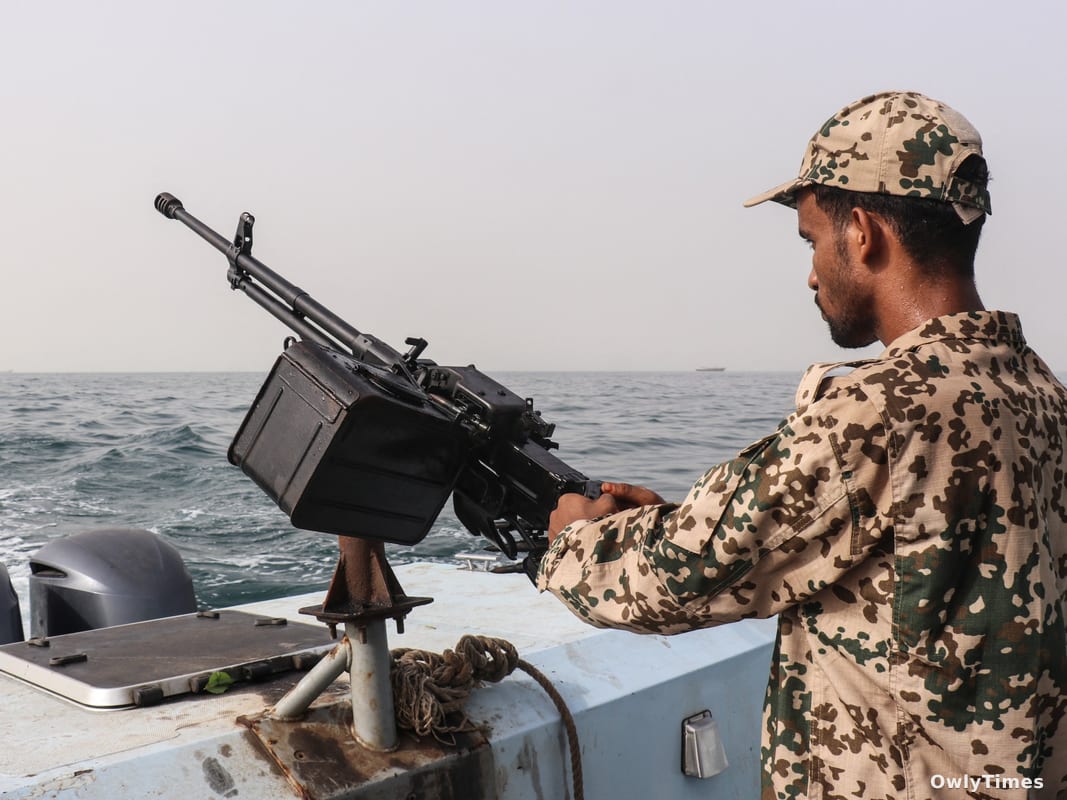
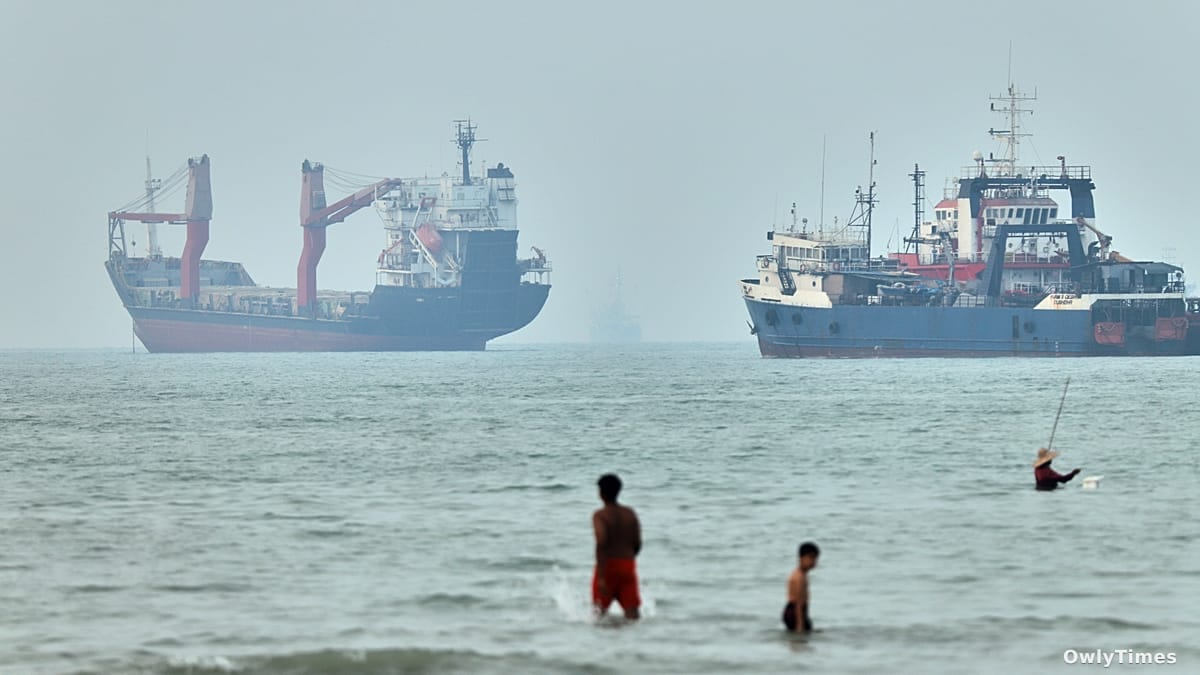
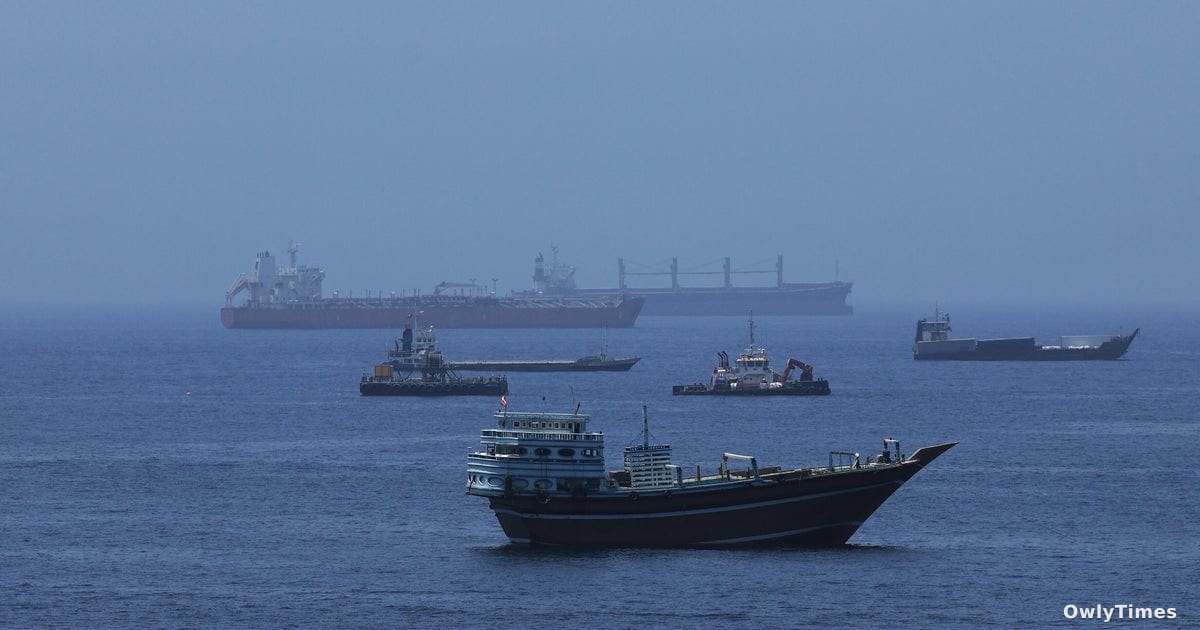
This week, that fragility was laid bare as the Strait of Hormuz, a critical maritime artery, effectively ground to a halt. According to The Guardian, the number of tankers crossing the strait plummeted to just one on Thursday, the lowest level since May. As the BBC reports, this blockade—and the subsequent retaliatory strikes between the U.S. and Iran—has sent shockwaves through energy markets, briefly pushing Brent Crude over $100 a barrel. For the average consumer, this isn't an abstract economic indicator; it’s the direct cause of the price spikes we’re seeing at the pump and, as noted by The Guardian, in consumer goods like aluminum-canned beverages in India.
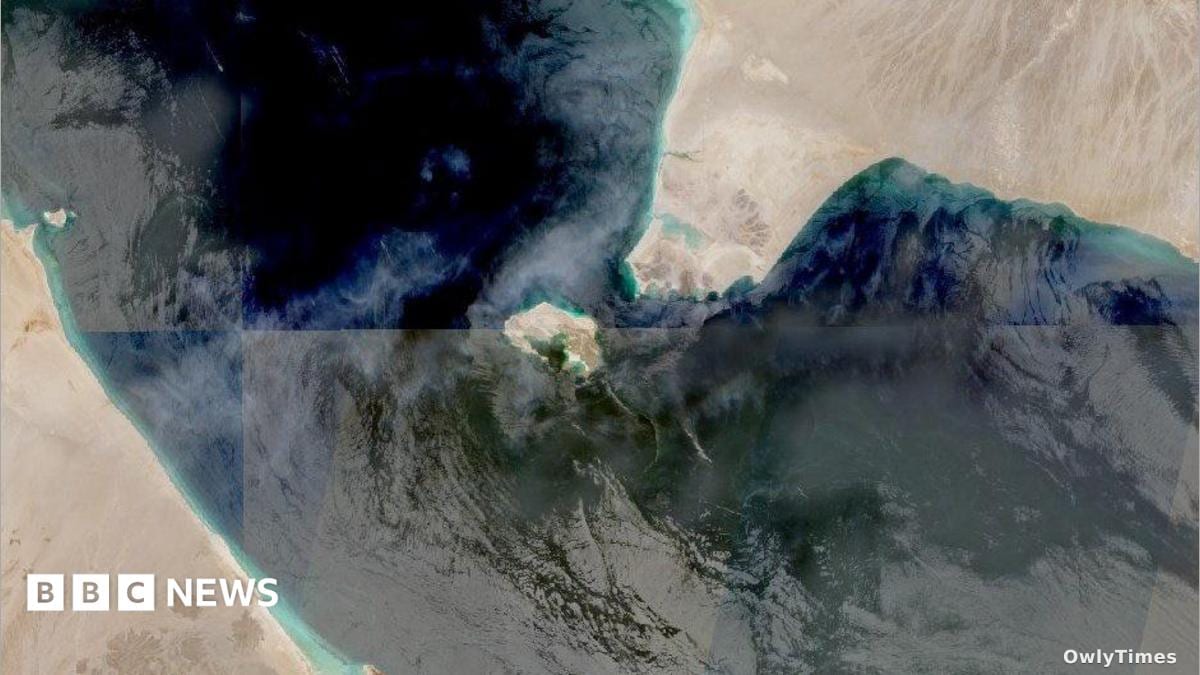
The chaos has pushed regional powers to accelerate desperate workarounds. CBS News reports that Gulf nations are pouring billions into pipeline projects to bypass the strait, aiming to move as much as 60% of their total pre-war export capacity through alternative routes. However, these "fixes" are just as vulnerable as the original path. The BBC and CBS News confirm that Houthi rebels in Yemen have begun targeting these secondary routes in the Red Sea, proving that in a hyper-connected world, there is no such thing as a truly redundant supply chain.
While the physical war rages, a high-stakes diplomatic and nuclear gamble is unfolding in parallel. NBC News and Al Jazeera report that the U.S. has signed a landmark nuclear cooperation deal with Saudi Arabia. There is significant daylight between the parties on the specifics: while President Donald Trump asserted on Friday that normalization with Israel is a mandatory condition for the deal, NBC News points out that the administration’s public framing and the actual mechanics of uranium enrichment remain murky. Experts like Darya Dolzikova of the Royal United Services Institute warn that without rigorous oversight, such deals risk further destabilizing an already volatile region.
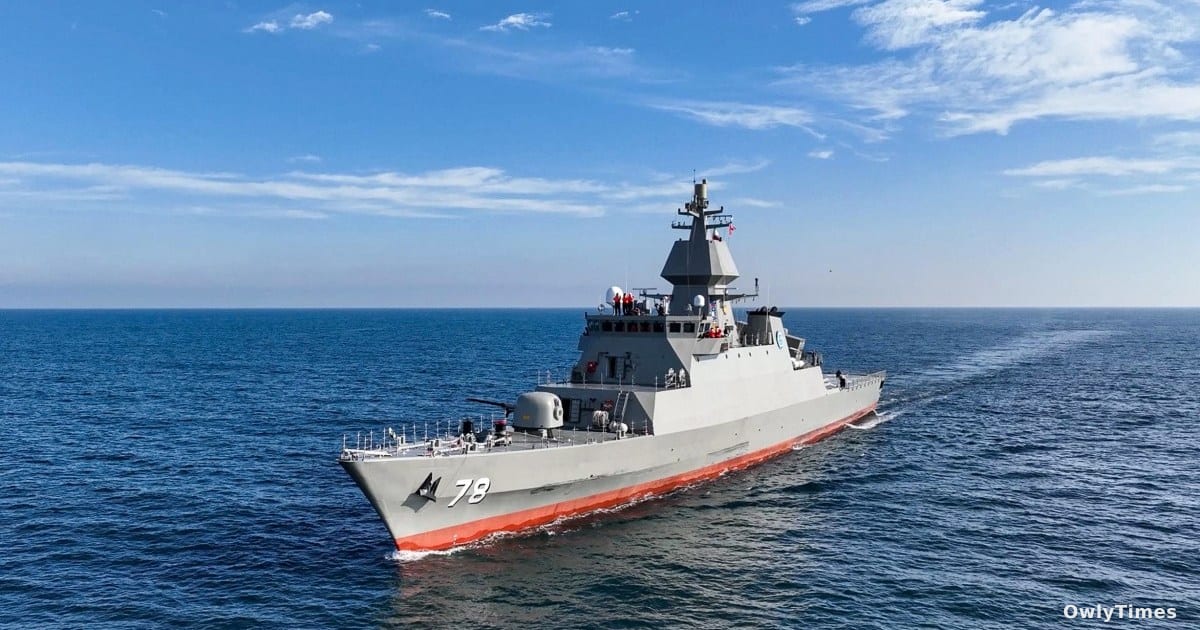
The friction is intensifying as the U.S. continues a campaign of strikes that has now lasted 13 consecutive nights, according to the BBC. While the U.S. military has disabled tankers attempting to run its blockade, The Guardian notes that Iranian state media claims to have hit U.S. assets as far afield as Kuwait and Bahrain.
The next major signal to watch for is the upcoming conference in London. As the BBC reports, U.S. Defense Secretary Pete Hegseth and Chairman of the Joint Chiefs of Staff Dan Caine are expected to convene with UK officials to hash out the future of the Strait of Hormuz—a meeting that will likely determine whether the current energy volatility turns into a prolonged global supply crisis.