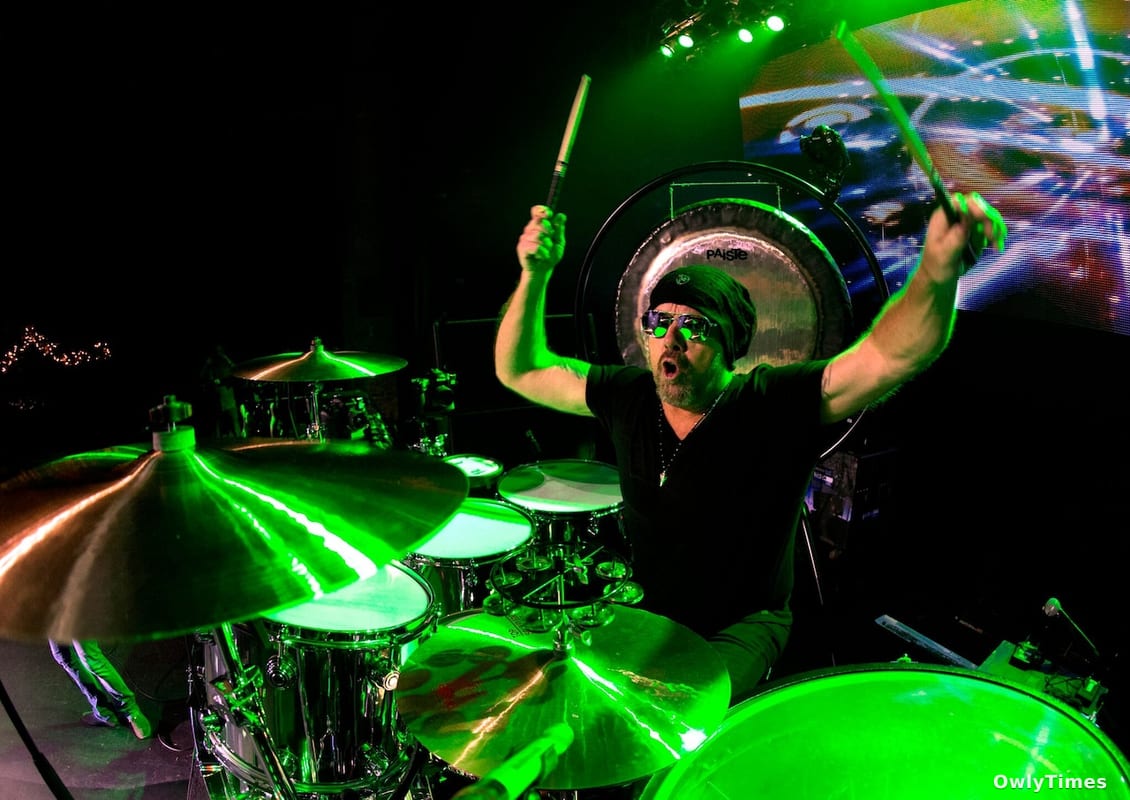

The scent of aged wood and anticipation hung thick in the air at the Hershey Theatre box office last week, even before the official announcement. A small knot of people, mostly men with a certain mileage on their faces, were already asking about tickets – not for the latest pop sensation, but for a ghost of rock and roll past. On February 17th, Jason Bonham’s Led Zeppelin Evening announced a summer performance at the iconic venue, and it wasn’t just a concert announcement; it was a cultural touchstone for a generation grappling with legacy, loss, and the enduring power of music. This isn’t simply a tribute act coming to central Pennsylvania; it’s a son carrying the weight – and the rhythm – of his father’s legend, and a community eager to feel that energy again.
The Unfillable Void and the Burden of a Name
The death of John Bonham in 1980 effectively ended Led Zeppelin, leaving a void in rock music that has never truly been filled. Attempts to revive the band, even with replacement drummers, were quickly abandoned, a testament to the irreplaceable nature of his talent. This is the context that makes Jason Bonham’s project so compelling – and so fraught with expectation. He isn’t trying to be his father, a futile endeavor, but to honor his legacy through a faithful, energetic recreation of the music that defined an era. The fact that tickets go on sale February 20th, nearly 46 years after Bonham’s passing, speaks volumes about the continued demand for that connection. While the average concert ticket price in 2024 hovered around $120, early speculation suggests demand for this show could easily push prices upwards of $200, reflecting the emotional investment of the fanbase.
Original reporting: pennlive.com.
Hershey’s Role as a Rock & Roll Sanctuary
The choice of the Hershey Theatre as a venue is no accident. Built in 1933, the theatre has a storied history of hosting legendary performers, from Elvis Presley to The Rolling Stones. It’s a space that feels steeped in musical history, a deliberate choice by Mike Corrado of ASM Global, the venue management company, to amplify the event’s significance. “Hershey has always been a destination for classic rock fans,” Corrado told PennLive, and this event solidifies that reputation. In a landscape increasingly dominated by massive stadium shows and fleeting pop trends, Hershey offers a more intimate, almost reverential setting for a tribute to a band that prioritized sonic depth and artistic integrity. This isn’t about spectacle; it’s about the music. The 7 p.m. showtime on June 7th feels almost ceremonial, a deliberate nod to the band’s heyday.
Beyond the Riffs: Nostalgia as a Cultural Force
The popularity of tribute bands, and particularly those honoring iconic acts like Led Zeppelin, isn’t simply about nostalgia. It’s a symptom of a broader cultural trend: a yearning for authenticity and a rejection of the increasingly manufactured nature of modern entertainment. In an age of auto-tune and algorithmic playlists, the raw energy and improvisational spirit of classic rock feel increasingly rare and valuable. Jason Bonham’s Led Zeppelin Evening taps into this desire, offering a chance to experience the music in a way that feels closer to the original – not a simulation, but a continuation. This phenomenon is particularly pronounced among Gen X and Baby Boomers, who came of age with this music, but it’s also attracting younger audiences discovering these bands for the first time. Streaming numbers for Led Zeppelin’s catalog have actually increased in recent years, demonstrating a sustained interest across generations.
What Happens When the Echoes Fade?
The success of this concert, and the continued demand for similar tribute acts, raises a crucial question for the music industry: what happens when the original artists are gone? Can their legacies be sustained through the work of their children, or through faithful recreations by other musicians? More importantly, should they be? There’s a delicate balance between honoring the past and exploiting it. While Jason Bonham’s project feels genuinely respectful and driven by a love of the music, the potential for commodification is always present. Will this concert inspire a wave of similar “legacy acts,” led by the children of other rock legends? And will those acts maintain the same level of artistic integrity? The Hershey Theatre show isn’t just a concert; it’s a test case for how we navigate the complex relationship between memory, music, and the enduring power of a name. Will audiences continue to seek out these echoes of the past, or will they eventually demand something entirely new?