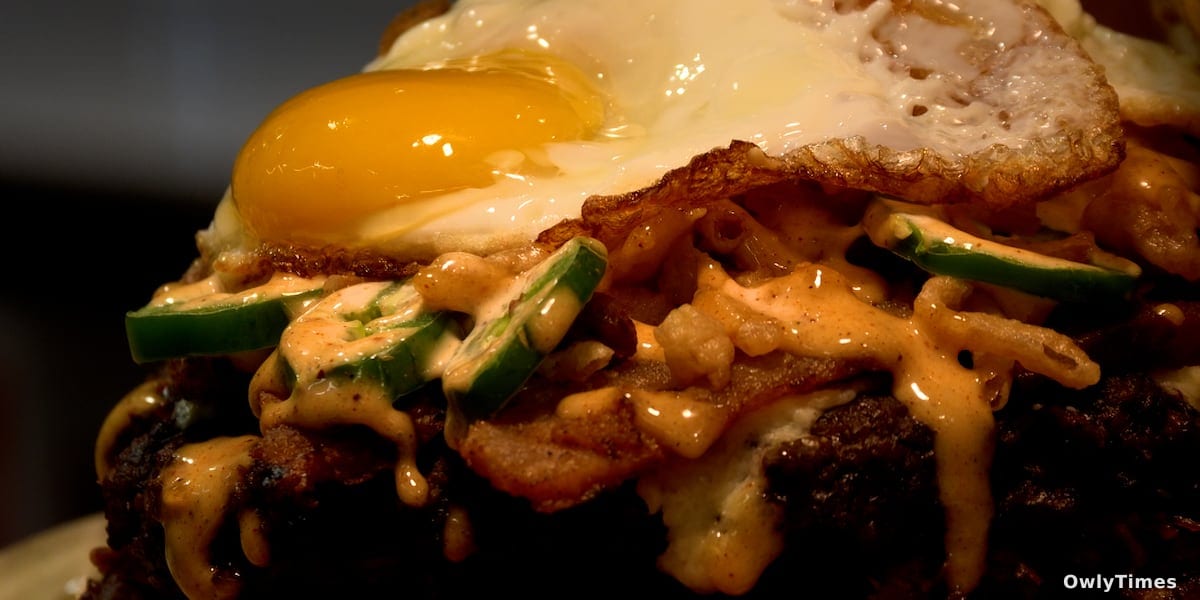

The aroma of fried peach and something…monumental…hung thick in the air at Truist Park on Tuesday. It wasn’t just the scent of ballpark food; it was the smell of a deliberate, almost aggressive, attempt to redefine the stadium experience. As the Atlanta Braves prepared to kick off their season against the Kansas City Royals on Friday, the team wasn’t just polishing cleats – they were perfecting a seven-inch brioche behemoth called “The Bat Flip,” a two-pound monument to excess that immediately dominated the media scrum. But beyond the headlines about calorie counts and culinary audacity, the Braves’ overhaul of Truist Park speaks to a larger shift in how sports teams are vying for our attention, and our wallets, in an increasingly fragmented entertainment landscape.
The Experience Economy Comes to the Ballpark
For years, teams relied on the inherent drama of the game itself to draw fans. Now, that’s no longer enough. The Braves, like many franchises, are leaning hard into the “experience economy,” recognizing that a night at the ballpark needs to be a destination, not just a sporting event. Geoffrey Schmidt, senior director of entertainment and events for the Braves, openly admits they’re tracking social media trends, chasing what’s “into” and “doing.” This isn’t about baseball anymore, it’s about providing Instagrammable moments, shareable content, and a reason to choose a live game over the convenience of streaming. The new LED lighting, designed to mimic a rock concert, is a prime example – a visual cue signaling that Truist Park is aiming for a vibe, not just a score. Attendance across MLB saw a modest 2.4% increase in 2023, but teams like the Braves are betting that experiential upgrades can push those numbers significantly higher, especially among younger demographics who prioritize experiences over traditional fandom.
This piece references the cbs46.com report.
Selling More Than Just Hot Dogs and Home Runs
The revamped retail experience at the newly expanded South End Trading Company is equally telling. While game-used gear has been available for years, the Braves are actively promoting it, acknowledging that many fans were simply unaware of the option. This isn’t just about maximizing revenue; it’s about tapping into the collector’s market and offering a tangible connection to the team’s history. And then there’s the dirt. Yes, actual dirt from the World Series field, bottled and sold to eager fans. "You would be surprised how many people love dirt,” quipped Lisa Williams, vice president of retail, and she’s right. It’s a bizarrely compelling item, a piece of hallowed ground transformed into a souvenir. This speaks to a desire for authenticity, for a physical link to a moment of glory, even if that link is…soil. The average MLB team store generates roughly $3.5 million in annual revenue, but the Braves are clearly aiming to exceed that with a curated, experience-driven retail strategy.
A Culinary Arms Race
But it’s the food that truly captured the media’s imagination. The “Bat Flip” – a seven-inch brioche stacked with enough meat to feed a small family – isn’t just a sandwich; it’s a challenge. Jaco Dreyer, executive chef at Truist Park, practically dared reporters to finish it. The Peach Dingers, Low Country Crunch, and A-Town Melt represent a broader trend of stadium cuisine moving beyond the basic hot dog and pretzel. Stadium food has become a competitive arena, with teams vying to create the most outrageous, shareable, and delicious offerings. This isn’t about satisfying hunger; it’s about generating buzz. The Braves aren’t just selling food; they’re selling a story, a spectacle, a reason to talk about their ballpark even when the game isn’t on.
Beyond the Seventh Inning Stretch: A New Ballgame for Fan Engagement
The collaboration with Austin Riley, the third baseman, on a signature beer with Blue Moon Brewery and Grill is another layer of this strategy. Mark Crouch, operations manager for Blue Moon, noted this is the first time they’ve brewed a beer with an active player, blurring the lines between athlete, brand ambassador, and culinary creator. This level of integration is becoming increasingly common, as teams seek to leverage the personal brands of their players to deepen fan engagement. The Braves’ investment in entertainment and culinary innovation isn’t just about attracting more fans to Truist Park; it’s about building a year-round community, a lifestyle brand centered around the team. The question now is whether this focus on the “experience” will ultimately overshadow the game itself. Will fans come for the Bat Flip and stay for the baseball, or will the spectacle become the main attraction, relegating the on-field action to a secondary role? That’s the risk the Braves, and many other teams, are taking as they navigate this new ballgame for fan engagement.