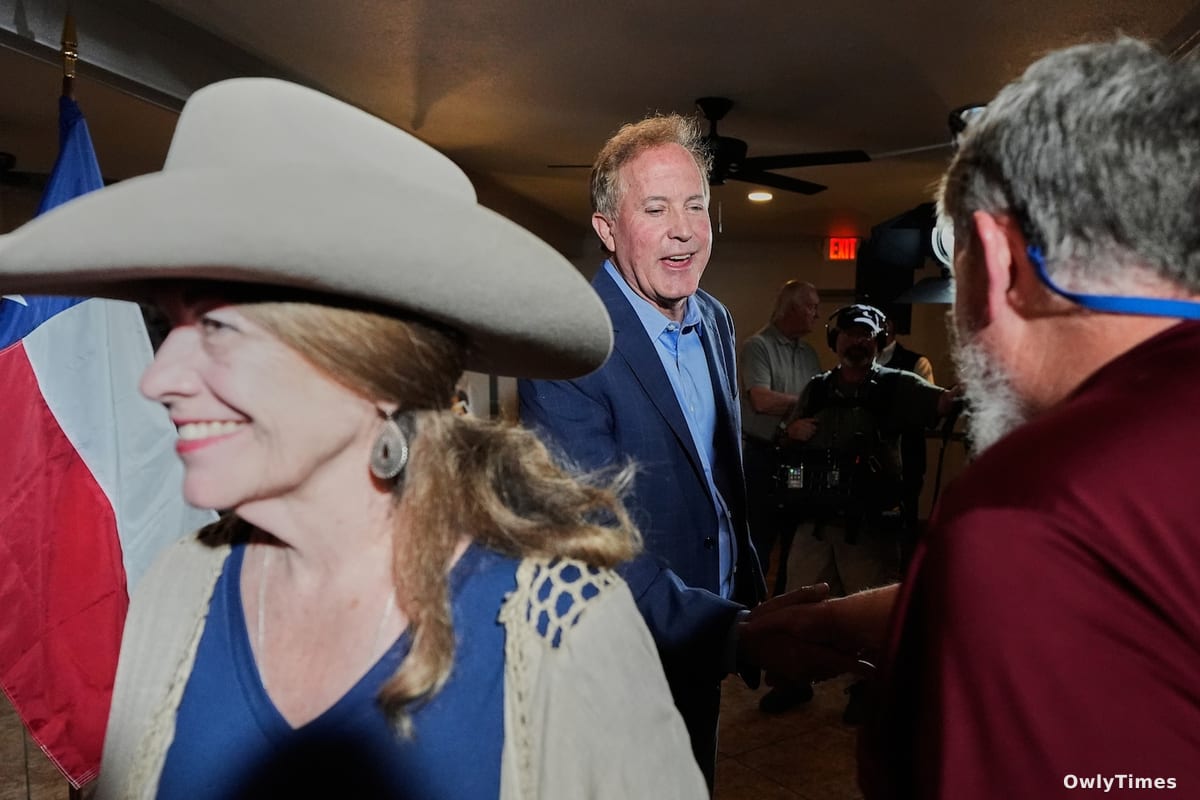

The Texas Senate primaries aren’t simply about filling seats; they represent a calculated gamble by the Republican party to redefine electability in the age of deep polarization. The sheer number of candidates – a crowded field on both sides – isn’t organic growth, it’s a strategic dispersal of resources designed to muddy the waters and ensure no single challenger emerges with overwhelming momentum against the preferred establishment choice. Tuesday’s votes aren’t a selection of candidates, but a culling designed to shape the battlefield for November. This isn’t about finding the best senator for Texas, it’s about controlling the narrative of the 2026 midterms.
The Republican Fracture: Paxton and the MAGA Test
The Republican primary features Ken Paxton, currently under indictment on multiple felony charges, vying for the seat alongside several challengers including Land Commissioner Dawn Buckingham and state Senator Brandon Creighton. Paxton’s legal troubles, which would have been disqualifying for a candidate a decade ago, are now almost a badge of honor within a significant segment of the Republican base. This reflects a broader trend: the increasing willingness of voters to prioritize ideological alignment over traditional markers of character and integrity. The $3.3 million spent by Paxton’s campaign as of February 2026, according to filings with the Federal Election Commission, demonstrates a confidence fueled by this shift. This is a substantial sum, exceeding the combined spending of Buckingham and Creighton, signaling a belief that a scorched-earth approach – leaning into the culture wars and embracing the “fight the establishment” mantle – is the path to victory. The historical parallel here is striking: consider the rise of Donald Trump in 2016, where legal challenges and accusations of impropriety seemed to enhance his appeal to a disillusioned electorate.
Source material: The Washington Post.
Democratic Divisions: A Battle for the Center-Left
On the Democratic side, the contest pits Representative Colin Allred against state Senator Roland Gutierrez. Allred, a former civil rights attorney, is attempting to position himself as a pragmatic centrist, appealing to moderate voters and independents in suburban districts. Gutierrez, however, is running a more progressive campaign, focusing on issues like gun control and reproductive rights. This internal struggle highlights a fundamental tension within the Democratic party: the ongoing debate between prioritizing broad appeal versus energizing the base. Allred’s fundraising advantage – he’s raised $2.8 million, significantly outpacing Gutierrez’s $1.1 million – suggests the party establishment favors his approach. However, a low-turnout primary could allow Gutierrez to capitalize on a dedicated, progressive electorate. The risk for Democrats is a repeat of 2020, where a focus on appealing to moderate Republicans failed to deliver the expected gains in Texas.
Who Benefits and Who Loses? The Stakes in Play
The immediate beneficiaries of this primary chaos are political consultants and media outlets. A prolonged, contentious primary cycle generates revenue and viewership. Beyond that, Governor Greg Abbott stands to gain from a weakened Democratic field. A bruising primary fight will likely leave the Democratic nominee depleted and vulnerable in the general election. Within the Republican party, a Paxton victory would solidify the influence of the far-right wing, potentially pushing the party further away from the center. Conversely, a win for Buckingham or Creighton would signal a desire for a more traditional conservative approach. The losers are, potentially, the voters of Texas. A focus on internal party battles distracts from substantive policy debates and risks further eroding public trust in the political process. The $18.5 billion in federal infrastructure funds allocated to Texas in 2025, for example, receive scant attention amidst the primary fray, despite their potential impact on the state’s economy.
The Shadow of 2024: National Implications
The Texas primaries are being closely watched in Washington, D.C., not just for their impact on the Senate balance, but as a bellwether for the 2028 presidential election. The results will provide crucial insights into the enduring strength of Trumpism and the viability of a moderate Democratic strategy in a red state. The 2024 election demonstrated the power of mobilizing specific voter segments, and both parties are attempting to replicate that success in Texas. The fact that both primaries are contested, despite the state’s strong Republican lean, underscores the growing competitiveness of Texas politics. This isn’t the Texas of Lyndon B. Johnson or even George W. Bush – it’s a rapidly changing state with a diversifying electorate and a growing urban population.
The Next Chess Move: Runoff Scenarios and General Election Positioning
The most critical political chess move to watch isn’t who wins on Tuesday, but what happens if no one wins outright. A runoff election, likely in May, would prolong the primary battle and further deplete campaign resources. Specifically, if Paxton fails to secure over 50% of the vote, the Republican establishment will likely coalesce around a single challenger, creating a formidable opponent. On the Democratic side, a runoff between Allred and Gutierrez would force a reckoning over the party’s ideological direction. The question then becomes: will the Democratic nominee be able to unify the party and effectively challenge the Republican incumbent in November? The answer to that question will determine not only the fate of the Texas Senate seat, but also the broader trajectory of the 2026 midterm elections.





