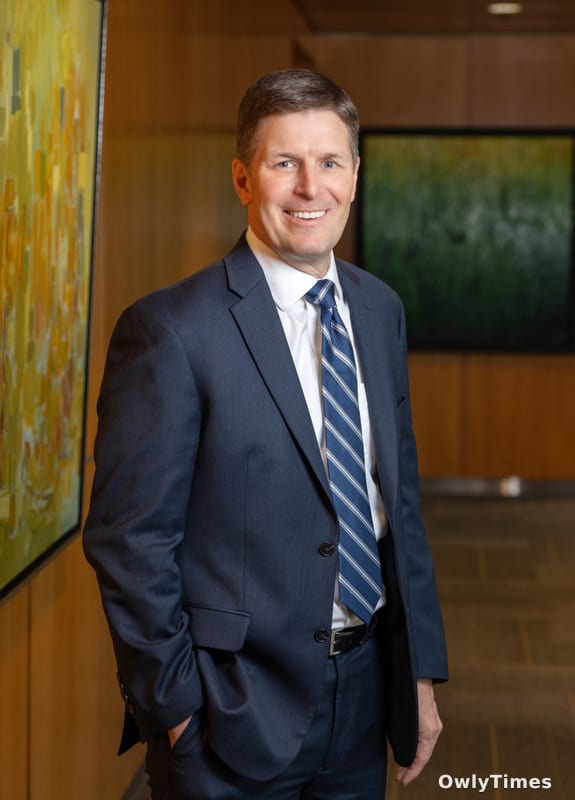

The appointment of a new leader at a major academic medical center often serves as a barometer for how that institution plans to balance clinical volume with the slow-moving gears of research and policy. With the appointment of Brett Graham, MBA, MPA, as Institute President of the Huntsman Mental Health Institute (HMHI), the University of Utah Health is signaling a shift toward a more corporate-integrated model of psychiatric care. The core question for the institution is whether this administrative expertise can successfully bridge the gap between high-level strategic planning and the granular, often fragmented reality of modern mental health delivery.
Bridging Clinical Care and Administrative Strategy
Graham’s background is rooted firmly in the mechanics of healthcare delivery rather than traditional clinical psychiatry. Before joining the University of Utah, he served as a partner at Leavitt Partners, where his work centered on the implementation of value-based care—a model that seeks to reward health outcomes rather than just the volume of services provided. He also held leadership roles at Meritain Health and Ingenix, a division of UnitedHealth Group.
For observers of academic medicine, this appointment highlights a specific tension: the need for financial and operational rigor in a field—mental health—that has historically struggled with systemic underfunding and poor integration. Graham has been serving as the interim CEO of the Institute since February 2025, a period that allowed him to familiarize himself with the organization's internal mechanics before receiving the permanent title. His previous role as chief strategy officer for the University of Utah, where he led the Impact 2030 strategy, suggests that his tenure will likely prioritize long-term system integration over rapid, localized expansion.
Interpreting the Leadership Shift
The headlines surrounding this announcement focus on the promise of "transforming mental health care," a phrase frequently utilized by university leadership. Taylor Randall, president of the University of Utah, noted that Graham’s experience in the "complexity of academic medicine" is a primary asset. However, it is important to distinguish between the stated goals of the university and the practical challenges of the field. While leadership frames this as an acceleration of "translational research and education," the underlying metric for success will be the institute’s ability to scale access for patients across Utah.
The Huntsman Mental Health Institute, which was established in 2021 following a $150 million gift from the Huntsman family, occupies a unique position as a comprehensive system. Unlike smaller clinical practices, HMHI is tasked with balancing the immediate demands of patient care with the mission of a research-heavy university environment. Graham’s mandate is to ensure these two spheres do not operate in silos. As he stated, “Mental health care is essential health care,” a perspective that acknowledges the parity movement in medicine but faces significant hurdles in staffing and capacity across the state.
Limitations to Consider
While Graham’s resume reflects a high degree of operational success in the private sector, academic medicine presents a different set of constraints. The "value-based care" models he championed at Leavitt Partners often require significant longitudinal data and standardized patient pathways, which can be difficult to implement in the acute, unpredictable setting of a psychiatric department. Furthermore, the reliance on a single, substantial philanthropic gift for core operations means that the institute is currently insulated from certain market pressures, but this also places immense pressure on the administration to demonstrate clear, measurable improvements in community health outcomes to maintain long-term sustainability.
The next phase of this transition will be defined by how the "leadership triad"—comprised of Graham, the chair of the Department of Psychiatry, and the chief administrative officer—navigates these operational demands. The next reading of the Institute’s annual report will show whether the integration of clinical, research, and educational streams is yielding the anticipated growth in patient access and quality of care that the University of Utah expects from this leadership structure.