
How do we translate the private, often invisible struggle of mental health into a language that younger generations can navigate before they reach a breaking point? This question sits at the center of the advocacy work currently being undertaken by Kate Simonet, a 2013 graduate of Park Center Senior High School. While high-level athletics often emphasize physical resilience and scoreboard outcomes, Simonet’s journey reveals the critical need for a parallel conversation about psychological endurance in youth sports.
From Competitive Fields to Internal Struggles
Simonet’s early life was defined by the high-pressure environment of a three-sport athlete and captain at Park Center. These roles often carry heavy expectations, demanding a consistent performance level that can mask the onset of emotional distress. Her struggle with mental health began early in her senior year of high school, a transition period that remains a high-risk window for many young adults. This challenge persisted into her collegiate career, where she competed in cross country and track at Winona State. By speaking openly about her experience in these arenas, Simonet is challenging the cultural narrative that equates athletic prowess with emotional invulnerability.
Documenting the Path to Wellness
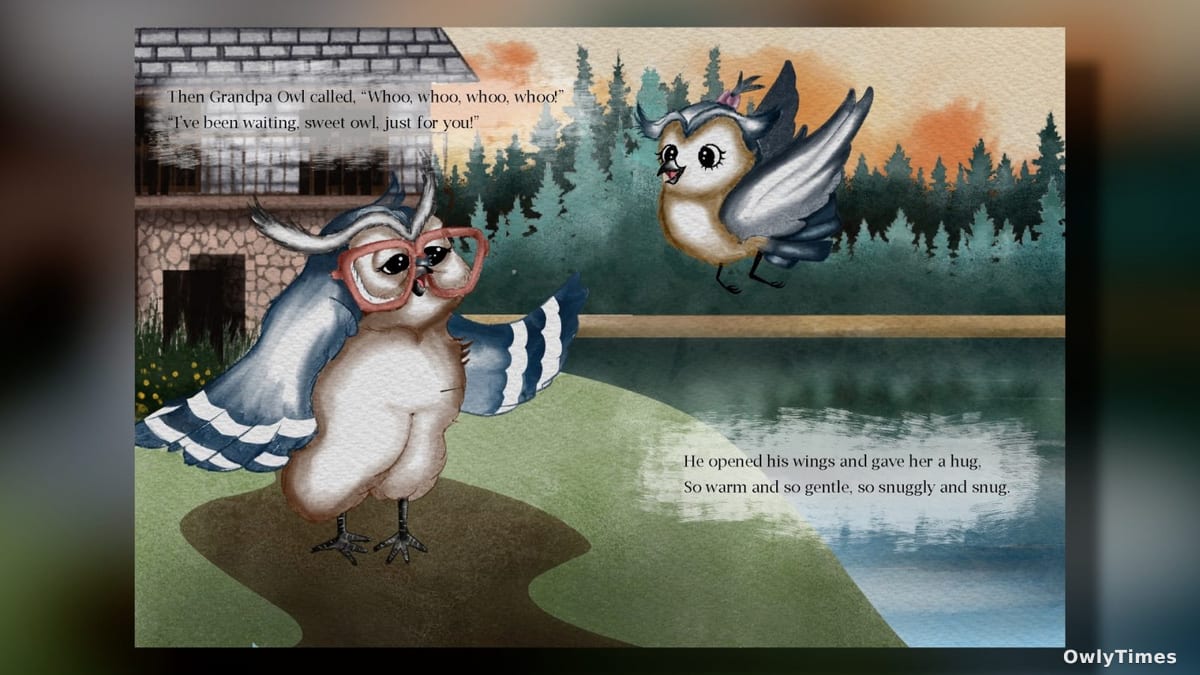
In 2022, Simonet translated her personal experience into a public resource by publishing her book, "Out of the Darkness." This work served as a candid account of her path through mental health challenges, providing a blueprint for others who feel isolated by their own symptoms. What the public headlines regarding her story might overlook is the methodology behind her shift from memoirist to educator. By moving from a detailed personal account to an illustrated children’s book, she is attempting to distill complex emotional concepts into accessible narratives for younger children. This represents a strategic pivot: reaching individuals before the stressors of high school and collegiate competition become overwhelming.
Limitations of the Advocacy Model
While the shift toward early intervention is promising, it is important to maintain a measured perspective on the scope of such projects. Bibliotherapy—the use of books to support mental health—is a valuable tool for initiating conversations, but it is not a substitute for clinical intervention or comprehensive mental health systems within educational institutions. As a 31-year-old non-profit development manager, Simonet understands the intersection of community outreach and systemic change, yet the efficacy of children’s literature in preventing clinical mental health issues remains a subject for ongoing social research. Impact is often difficult to quantify in the short term, and the success of these books will depend on their integration into broader curricula.
The Next Phase of Outreach
The transition from personal storytelling to the development of illustrated children’s works marks a significant evolution in Simonet’s career as an advocate. Her upcoming publication will serve as a test case for whether mental health literacy can be effectively introduced during childhood to foster better coping mechanisms later in life. The next reading of participation and engagement metrics for these resources will show whether this specific approach to early-stage mental health education can successfully reach the intended audience and move the needle on how young students perceive their own emotional health. The progress of this work will likely depend on how effectively these resources are adopted by schools and community organizations that are currently grappling with how to support the mental well-being of their students.