
$10.2 Billion Drop Signals a Shift at Berkshire Hathaway
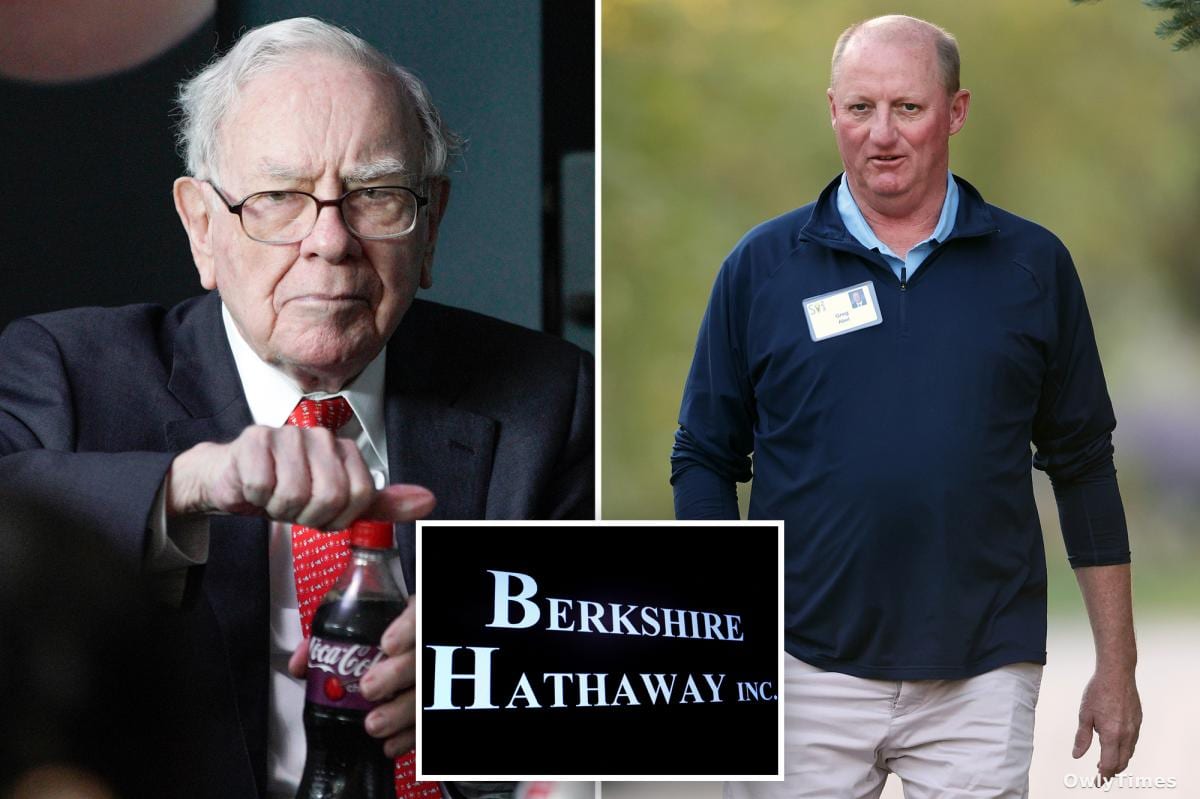
A 30% decline in fourth-quarter operating profit to $10.2 billion – roughly $7,092 per Class A share – isn’t simply a bad quarter for Berkshire Hathaway; it’s a stark illustration of the challenges facing new CEO Greg Abel and a potential inflection point for the conglomerate. This isn’t a story about Warren Buffett’s departure, but about the economic headwinds now squarely impacting the investment machine he built, and the strategic adjustments Abel will need to make. The numbers reveal a company grappling with falling insurance profits, a recalibration of energy investments, and a consumer spending slowdown – all while sitting on a historically large cash pile.
This article draws on reporting from the New York Post.
The most immediate pressure point is the 38% drop in quarterly insurance profit. This isn’t a cyclical downturn; it’s a confluence of factors. Falling interest rates directly erode the returns on Berkshire’s substantial cash reserves, a core component of its investment strategy. Simultaneously, competitive pricing pressures within the auto insurance market, specifically at Geico, are forcing the company to prioritize customer retention over premium increases. Geico’s pretax underwriting profit fell by nearly half, despite increased advertising spend, demonstrating the difficulty of navigating this environment. This dynamic isn’t unique to Berkshire – the entire insurance sector is facing similar headwinds – but it underscores the limitations of relying solely on premium income in a low-rate environment.
Follow the money: Berkshire’s consistent selling of stocks – the 13th consecutive quarter of net stock sales – isn’t a sign of panic, but a deliberate strategy. With $373.3 billion in cash on hand, Abel possesses unprecedented acquisition firepower, exceeding anything Warren Buffett was able to deploy in the last decade. However, the lack of share buybacks – six straight quarters without – suggests Abel isn’t convinced Berkshire’s own stock is undervalued enough to warrant investment, a departure from past practice. This caution, coupled with the Occidental writedown, signals a more conservative approach to capital allocation.
The $4.5 billion writedown of Berkshire’s 26.9% stake in Occidental Petroleum is particularly telling. While Berkshire maintains it has no intention of selling, acknowledging the decline isn’t “temporary” is a significant admission. This isn’t simply about oil prices; it’s about reassessing long-held investment theses. Coupled with the $3.76 billion writedown on Kraft Heinz earlier in the year, it paints a picture of a portfolio undergoing a critical evaluation. Buffett’s initial investment in Occidental, predicated on the leadership of its management, is now being scrutinized through a more pragmatic lens.
Beyond finance, the performance of Berkshire’s operating businesses reveals a broader economic tension. While BNSF railroad saw a 6% profit increase, and manufacturing, retail, and service businesses eked out a 3% gain, “sluggish” consumer demand is impacting key brands like Duracell, Fruit of the Loom, and Jazwares. This mirrors the broader consumer sentiment data, indicating a pullback in discretionary spending. Even the typically resilient energy operations experienced a 5% profit decline, highlighting the sensitivity of even diversified portfolios to macroeconomic shifts. The full-year figures – a 6% drop in operating profit and a 25% fall in net income – confirm this trend isn’t a one-off anomaly.
Since Buffett’s announcement of his succession in May, Berkshire shares have underperformed the S&P 500 by over 27 percentage points, and both have seen minimal gains in 2026. This isn’t a vote of no confidence in Abel, but a market recalibration. Investors are adjusting to a post-Buffett Berkshire, one that may prioritize stability and capital preservation over the aggressive, opportunistic investments that defined its earlier years. Cathy Seifert of CFRA Research succinctly captures the new reality: “Top-line growth is a challenge.”
What this means for your wallet: Watch for a shift in Berkshire’s investment strategy. Abel’s substantial cash reserves will likely be deployed cautiously, favoring large, stable acquisitions over speculative ventures. Expect continued pressure on insurance premiums and potentially lower returns from fixed-income investments. More importantly, the performance of Berkshire’s consumer brands will serve as a bellwether for the broader economy – a slowdown there suggests further headwinds for consumer spending and potential price increases across a range of everyday goods. The key question now is: will Abel’s disciplined approach be enough to navigate these challenges and deliver the consistent returns investors have come to expect from Berkshire Hathaway?





