
$10.2 Billion Drop Signals a Berkshire Hathaway Reset, Not Decline
A 29.8% year-over-year decline in fourth-quarter operating earnings – totaling $10.2 billion – isn’t a signal of distress at Berkshire Hathaway (BRK.B), but a stark illustration of the transition underway as Greg Abel assumes leadership from Warren Buffett. Follow the money: the headline figure isn’t a collapse in underlying business strength, but a recalibration of expectations and a shift in reporting dynamics following six decades defined by the “Oracle of Omaha.” While last year’s total operating earnings of $44.5 billion represent a 6% decrease from the prior year, the more significant story lies in where those earnings are not coming from, and what Abel intends to do about it.
This article draws on reporting from CNN.
The primary drag on performance was a 19.5% drop in insurance underwriting profits, falling to $7.2 billion in 2024. This isn’t a systemic failure of the insurance model, but a direct consequence of Geico’s strategy to aggressively raise rates to combat inflationary pressures and restore profitability. While necessary for long-term stability, these rate hikes demonstrably impacted customer retention, a trade-off the market is now fully accounting for. Consider this: the property & casualty insurance industry saw a combined ratio – a measure of profitability – of 107% in the first half of 2024, according to AM Best, indicating widespread challenges with profitability. Geico’s struggles aren’t unique, but the scale of its operations within Berkshire magnifies the impact on overall results.
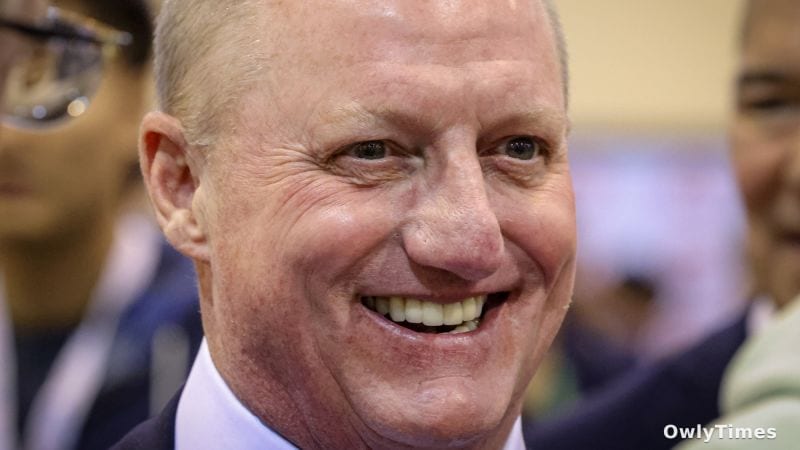
Abel’s inaugural letter to shareholders, replacing Buffett’s famously anticipated missives, is a masterclass in continuity and controlled change. He explicitly frames his role as “stewardship,” emphasizing the preservation of Berkshire’s core values and the long-term interests of its investors. This isn’t merely rhetoric; it’s a calculated response to anxieties surrounding the leadership transition. Charlie Munger, before his passing, affirmed Abel’s commitment to maintaining Berkshire’s culture, and Buffett himself predicted a more “active” leadership style. The emphasis on accountability – promising to “rectify our errors” and act “decisively and ruthlessly” when standards aren’t met – suggests a willingness to address underperformance more directly than the famously hands-off approach of his predecessor.
Despite the earnings dip, Berkshire’s cash position continues to swell, reaching a record $373.1 billion. This massive liquidity isn’t a sign of caution, but a reflection of disciplined capital allocation. Abel explicitly states this isn’t a “retreat” from investing, but a commitment to patience. This is crucial. In a market characterized by inflated valuations and limited compelling opportunities, holding cash is a strategic advantage. Compare this to the average cash holdings of S&P 500 companies, which currently sit around 6% of market capitalization – Berkshire’s position is an outlier, affording it unparalleled flexibility to capitalize on market corrections or acquire undervalued businesses. The question isn’t if Berkshire will deploy this capital, but when and where.
The annual shareholder meeting on May 2nd, traditionally dubbed “Woodstock for Capitalists,” will be a critical test of Abel’s ability to connect with investors and articulate his vision for the future. While the absence of Buffett’s charismatic presence will be felt, the event provides an opportunity for Abel to establish himself as a credible and capable leader. Buffett’s own assessment – that Abel understands the dangers of “fooling your shareholders” – underscores the importance of transparency and honest communication.
What this means for your wallet: investors should watch closely for Berkshire’s next major acquisition. The company’s substantial cash reserves and Abel’s stated commitment to disciplined investing suggest a significant deal is on the horizon. The key isn’t just the size of the acquisition, but the sector it targets. Will Berkshire double down on its existing holdings, or venture into new territory? The answer will reveal a great deal about Abel’s strategic priorities and the future direction of this financial behemoth.