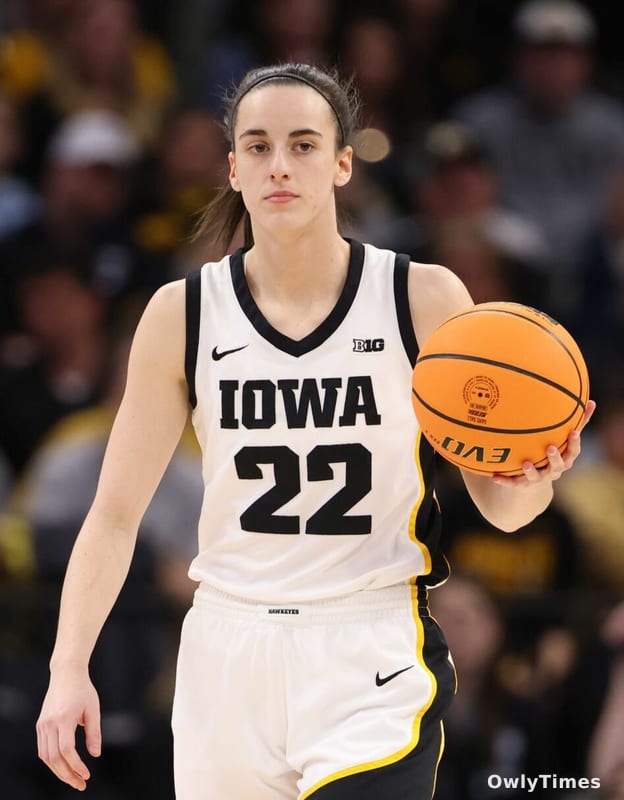

The air in Iowa City crackled with a different kind of energy than usual. It wasn’t just the sold-out crowd anticipating another dominant performance from Caitlin Clark and the Hawkeyes; it was a palpable sense of defiance. The sting of the SEC Tournament loss to South Carolina still lingered, a rare blemish on an otherwise perfect season. But as the first round of the Women’s NCAA Tournament unfolded Saturday, it wasn’t about avenging that defeat – it was about proving that the narrative of a foregone conclusion, a repeat Final Four of UConn, UCLA, Texas, and South Carolina, was premature. Because beyond the headlines predicting chalk, 64 teams arrived with a very different script in mind.
The tournament’s opening day offered a glimpse of that potential disruption, with No. 6 Baylor narrowly escaping an upset bid from No. 11 Nebraska. That close call, however, felt less like a warning shot and more like a confirmation of what many have suspected all season: parity is creeping into women’s college basketball. While the odds still heavily favor the established powerhouses, the gap is closing, fueled by increased investment in programs, the transfer portal, and a growing pool of elite talent. The tournament isn’t just a battle of skill; it’s a collision of ambition, where programs like Fairfield and Rhode Island, making their first or second-ever appearances, aren’t content to simply be present.
See the original USA Today story for the full account.
Consider the matchup between No. 11 Fairfield and No. 6 Notre Dame. While the Irish boast two-time ACC Player of the Year Hannah Hidalgo, their defensive vulnerabilities are glaring – ranking 296th in field goal defense. That’s an invitation for a team like Fairfield, led by coach Carly Thibault-DuDonis and a nation-leading 11.4 three-pointers per game, to exploit. It’s a classic David versus Goliath scenario, but one where David is armed with a very accurate slingshot. This isn’t about a lucky shooting night; it’s about a calculated strategy to expose a weakness, a testament to the increasingly sophisticated coaching happening outside the traditional power conferences.
The tournament also highlights the fascinating dynamics within programs themselves. Kenny Brooks, now at Kentucky, faced his former team, James Madison, a program he built into a mid-major powerhouse. While a victory for the Dukes would have been a storybook moment, it underscored a broader trend: the movement of successful coaches, and the ripple effect it has on the programs they leave behind. Sean O’Regan, Brooks’ former assistant, has admirably continued the winning tradition at JMU, but the tournament serves as a reminder that success isn’t solely about talent; it’s about institutional knowledge and a consistent vision.
Beyond the bracket-busting potential, the tournament is a showcase of individual brilliance. Audi Crooks of Iowa State, the nation’s third-leading scorer at 25.2 points per game, will clash with Syracuse’s ACC Freshman of the Year, a formidable center averaging 15.5 points and 9.4 rebounds. Meanwhile, the high-octane offenses of Princeton and Oklahoma State promise a shootout, featuring players like Madison St. Rose and Stailee Heard. These individual matchups aren’t just compelling storylines; they’re a reflection of the diverse range of talent that’s elevating the women’s game. Mikayla Blakes of Vanderbilt, leading the nation in scoring with 27 points per game, represents a new generation of offensive firepower, while veterans like Caitlin Clark continue to redefine the boundaries of the sport.
But perhaps the most significant undercurrent of this tournament is the question of viewership and investment. While the top four seeds host early-round games, the broadcast schedule – scattered across ESPN, ESPNU, and even ABC – feels fragmented. The game between UConn and UTSA, featuring rising stars Sarah Strong and Azzi Fudd, is a prime example. While the talent is undeniable, will a late afternoon slot on ABC draw the audience this game deserves? The NCAA is betting on the star power, but the true test will be whether they can consistently elevate these games to the platforms they demand. Because if this tournament proves anything, it’s that the women’s game is no longer a niche product – it’s a cultural force, and its future depends on recognizing its value beyond the bracket predictions. Will networks and sponsors finally commit to sustained, prominent coverage, or will the potential for explosive growth remain untapped? That’s the question everyone should be watching as March Madness unfolds.