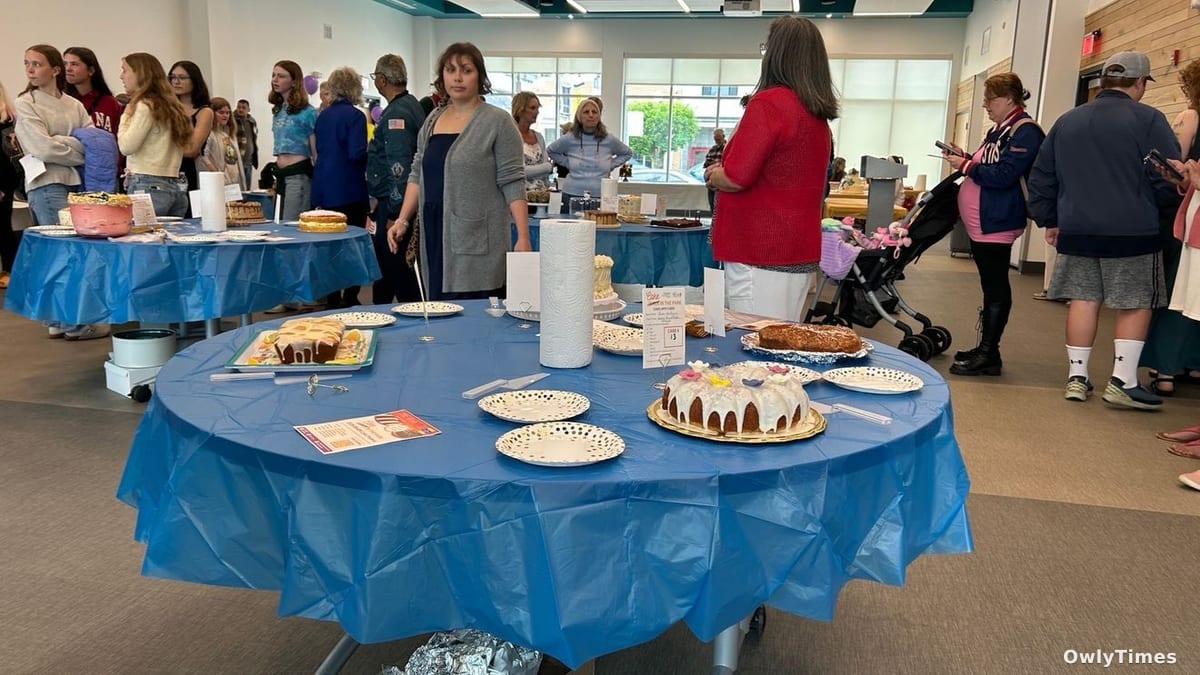

Can the simple act of sharing a dessert serve as a catalyst for systemic change in community health? On Sunday, April 26, 2026, the city of South Bend, Indiana, provided a unique case study in how social cohesion initiatives function as a bridge to clinical support. The event, dubbed "Cake in the Park," moved beyond the traditional model of clinical mental health outreach, opting instead for a communal baking competition to draw public engagement.
Transforming Community Engagement into Clinical Support
The primary scientific question here is whether low-barrier social events can effectively fund and sustain mental health infrastructure. While headlines might frame this as a local festival, the functional reality is that the event serves as a critical revenue stream for the Mental Health Awareness of Michiana. By hosting a public tasting and voting competition, the organization shifts the focus from the isolation often associated with mental health struggles to a collaborative environment.
Lisa Kelly, the Executive Director of Mental Health Awareness of Michiana, noted the deliberate nature of this strategy. "This is a real favorite event because it's a very creative way of getting people to support our organization, and a creative way for people to come together," Kelly stated. This methodology leverages social psychology principles: by embedding mental health awareness within a popular cultural activity, the organization lowers the "stigma threshold" that often prevents individuals from seeking information about educational classes or access to care.
Bridging the Gap Between Awareness and Action
It is essential to distinguish between the celebratory atmosphere of the event and the rigorous programming it supports. While the afternoon featured Kim Becker, host of Hometown Living, serving as emcee to facilitate public participation, the underlying objective remained strictly clinical. The funds generated from the event are designated specifically for educational mental health classes, public awareness initiatives, and direct efforts to increase access to care.
When we examine the impact of such events, it is clear that they serve as a vital link in the chain of care. Often, mental health organizations struggle with the "visibility gap"—the distance between having a service available and the public knowing how to access it. By integrating these services into a community-based event, the organization ensures that its public awareness initiatives reach demographics that might not otherwise engage with traditional healthcare systems.
Limitations to Consider in Localized Health Funding
While the success of events like Cake in the Park is encouraging, there are inherent limitations to relying on public fundraisers for mental health services. These events are episodic by nature and dependent on local weather, community sentiment, and volunteer availability. Relying on such models for long-term, stable funding presents a challenge for any organization attempting to build consistent, year-round access to care.
However, the event successfully fulfills a secondary, equally important role: it maintains a constant, public-facing presence for the organization. As the organization looks toward future programming, the success of this fundraiser will be measured by the enrollment rates in their upcoming educational mental health classes. The next reading of these enrollment metrics will show whether this creative approach to fundraising effectively translates into a sustained increase in community mental health literacy and clinical utilization.





